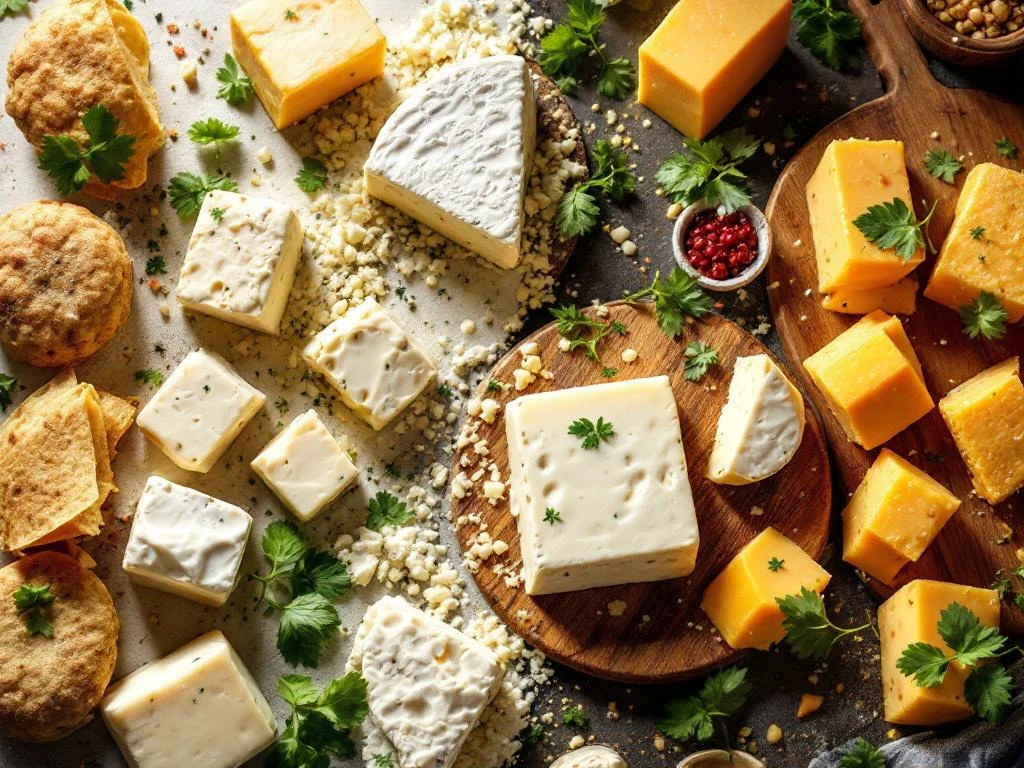
Queso is not goat cheese. While “queso” simply means “cheese” in Spanish, the term typically refers to Mexican-style cheeses made from cow milk, such as queso fresco or queso blanco. Goat cheese, on the other hand, is specifically made from goat’s milk and has a distinctly tangy flavour profile and creamy texture. This common confusion arises because both are white, soft cheeses often used in similar culinary applications, leading many foodservice professionals and cheese buyers to wonder about their differences.
Understanding the confusion between queso and goat cheese
The confusion between queso and goat cheese frequently arises in the cheese industry, particularly among foodservice professionals seeking the right products for their menus. This misconception stems from several factors that make these cheeses appear similar at first glance.
Both queso fresco and fresh goat cheese share a white appearance and soft, crumbly texture that can seem interchangeable in certain dishes. Additionally, the growing popularity of Mexican cuisine in international markets has led to increased demand for authentic queso products, whilst simultaneously, artisanal goat cheese has gained prominence in specialty retail and fine dining establishments.
For cheese buyers and distributors, understanding these distinctions becomes crucial when sourcing products for different market segments. Restaurants may request “white cheese” without specifying whether they need traditional Mexican queso or European-style goat cheese, leading to potential ordering errors and customer dissatisfaction.
What exactly is queso and how is it made?
Queso, the Spanish word for cheese, encompasses a wide variety of cheese types. However, in culinary contexts, it most commonly refers to Mexican-style fresh cheeses, particularly queso blanco and queso fresco, which are traditionally made from cow milk.
The production process for these Mexican cheeses involves heating cow milk and adding an acid like vinegar or lemon juice to create curd. Unlike aged cheeses, queso fresco and queso blanco are consumed fresh, typically within days of production. This results in their characteristic mild flavour and moist, crumbly texture that makes them ideal for crumbling over dishes or melting in hot applications.
What makes queso particularly valuable for foodservice applications is its excellent melting properties. Queso blanco maintains its shape when heated, whilst other varieties like queso Oaxaca stretch beautifully, making them perfect for quesadillas, enchiladas, and the popular queso dip served in restaurants. These melting characteristics differ significantly from many goat cheeses, which tend to soften rather than melt smoothly.
What makes goat cheese different from other cheeses?
Goat cheese stands apart from other cheeses primarily due to its base ingredient: goat milk. This fundamental difference creates unique characteristics that specialty retailers and restaurants value highly. The production process involves traditional craftsmanship methods that have been refined over centuries, resulting in diverse texture variations from fresh and spreadable to aged and firm varieties.
The distinctive tangy flavour profile of goat cheese comes from the unique fatty acid composition in goat milk, particularly capric, caprylic, and caproic acids. These create the characteristic “goaty” taste that ranges from mild in fresh varieties to pronounced in aged versions. Fresh goat cheese offers a creamy, smooth texture perfect for spreading, whilst ripened varieties develop a more complex flavour profile with earthy undertones.
Traditional production methods play a crucial role in creating high-quality goat cheese. Master cheesemakers carefully control temperature, humidity, and ageing conditions to develop specific textures and flavours. From fresh cheese rolls and crumbles to ripened varieties with bloomy rinds, each style requires precise techniques that have been passed down through generations of artisan producers.
Can queso be made from goat milk?
Technically, queso can be made from any type of milk, including goat’s milk, since “queso” simply means cheese in Spanish. However, traditional Mexican queso varieties like queso fresco and queso blanco are almost exclusively made from cow milk, following time-honoured recipes that define their authentic character.
Specialty producers have begun creating innovative goat milk queso variations to serve niche markets seeking unique flavour profiles. These hybrid products combine Mexican cheesemaking techniques with the distinctive taste of goat’s milk, resulting in products that appeal to adventurous consumers and chefs looking for creative ingredients. Learn more about innovative cheese solutions for industry and wholesale buyers who seek such specialty products.
Whilst these goat milk quesos offer interesting culinary possibilities, they differ significantly from traditional versions in taste and texture. The tangy notes inherent in goat’s milk alter the mild, neutral flavour profile that makes conventional queso so versatile in Mexican cuisine. For authentic Mexican dishes, cow milk queso remains the standard, whilst goat milk versions serve as creative alternatives for fusion cuisine and specialty applications.
Which cheese works better for different foodservice applications?
Understanding the distinct properties of queso and goat cheese helps foodservice buyers make informed purchasing decisions based on specific culinary applications. Each cheese type excels in different preparations, making them complementary rather than interchangeable options for professional kitchens.
Queso performs exceptionally well in hot applications where smooth melting is essential. Its neutral flavour profile makes it ideal for:
- Mexican dishes like quesadillas, enchiladas, and nachos
- Cheese dips and fondues requiring consistent melting
- Toppings for tacos and burritos where mild flavour is preferred
- Grilled applications where the cheese needs to maintain structure
Goat cheese offers superior versatility across both cold and warm preparations, with its tangy flavour adding complexity to dishes:
- Salads benefiting from crumbled fresh goat cheese
- Spreads and dips for appetiser platters
- Pizza toppings where distinctive flavour is desired
- Pasta dishes requiring creamy, flavourful cheese components
- Dessert applications pairing with honey or fruits
The melting characteristics differ significantly between these cheeses. Whilst queso melts smoothly and maintains a stretchy consistency, goat cheese tends to soften and become creamy without achieving the same elastic quality. This makes goat cheese ideal for creating sauces and creamy fillings, whilst queso excels in applications requiring stringy, melted cheese.
Key takeaways for cheese buyers and foodservice professionals
Understanding the fundamental differences between queso and traditional goat cheese enables better purchasing decisions and menu development. Queso, typically made from cow milk, offers mild flavour and excellent melting properties ideal for Mexican cuisine and hot applications. Goat cheese, crafted from goat milk, provides distinctive tangy flavours and creamy textures perfect for both cold and warm preparations across various cuisines.
For successful menu planning, consider these essential factors when selecting between queso and goat cheese:
- Customer preferences and dietary requirements in your target market
- Specific culinary applications and desired flavour profiles
- Melting requirements for hot dishes versus texture needs for cold preparations
- Availability of consistent, high-quality supply from certified producers
Selecting reliable suppliers with consistent quality becomes crucial for maintaining menu standards. Whether sourcing traditional queso for authentic Mexican dishes or artisanal goat cheese for innovative culinary creations, partnering with established producers who understand foodservice needs ensures product consistency and customer satisfaction. The right cheese choice ultimately depends on your specific application, target audience, and desired flavour outcome.