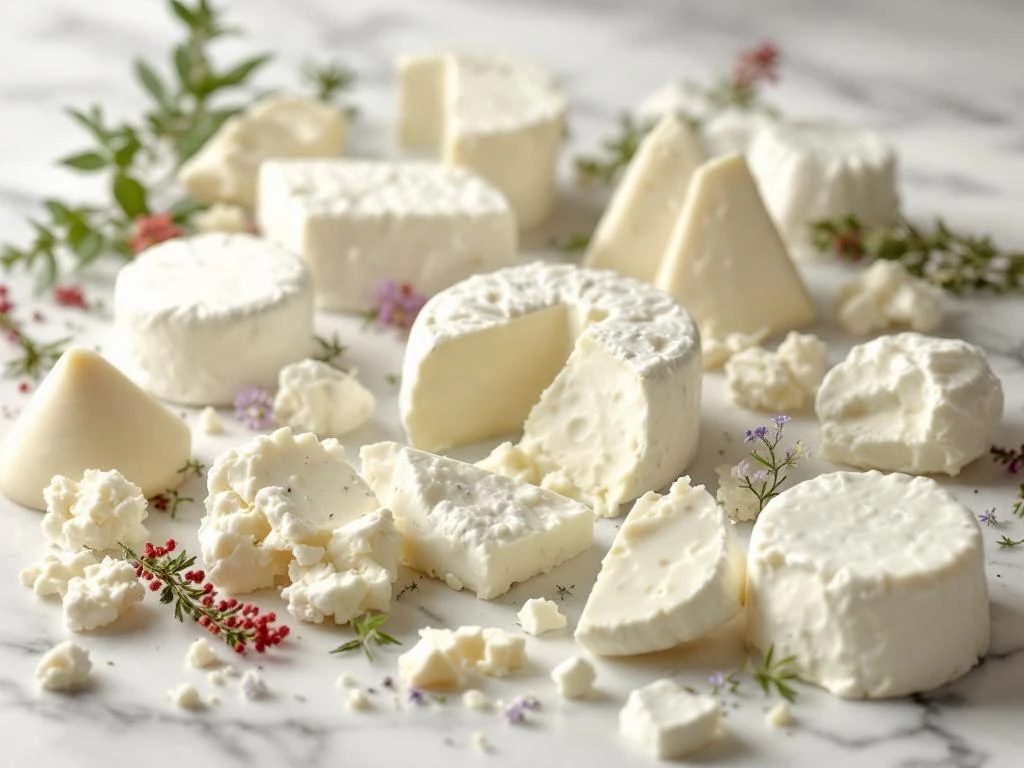
The best goat cheese types for mild-tasting menu items are fresh, young varieties that undergo minimal aging and maintain their delicate, creamy profiles. Fresh goat cheese options like spreadable chèvre, fromage blanc, and young goat cheese rolls offer subtle tangy notes without overwhelming other ingredients. These varieties typically contain 16-20% fat content and feature smooth, creamy textures that complement rather than dominate dishes. Soft-ripened options like young goat brie and fresh cheese crumbles also provide mild flavour profiles ideal for versatile menu applications across breakfast, lunch, and dinner services.
What makes certain goat cheese varieties milder than others?
The mildness of goat cheese primarily depends on three key factors: aging duration, milk treatment methods, and production techniques. Fresh goat cheeses maintain their subtle flavours because they undergo minimal aging, typically just a few days to two weeks, preventing the development of stronger, more complex taste profiles that emerge with extended maturation.
The milk treatment process significantly influences flavour intensity. Pasteurisation creates milder profiles by neutralising some of the naturally occurring enzymes and bacteria that contribute to stronger tastes. Additionally, the natural fat and protein content of the milk plays a crucial role, with lower fat varieties often presenting more delicate flavours. Traditional production methods that emphasise gentle handling and controlled temperatures help preserve the milk’s inherent sweetness whilst minimising the development of sharp or pungent notes.
Temperature control during production and storage also affects mildness. Cheeses kept at consistent, cool temperatures develop more slowly, maintaining their gentle characteristics. The use of specific starter cultures designed for mild flavour development, combined with shorter ripening periods, ensures these varieties remain approachable for diverse palates. Understanding these factors helps professionals select the most suitable options for their industry and wholesale cheese requirements.
Which fresh goat cheese options work best for delicate dishes?
Fresh goat cheese varieties excel in delicate dishes due to their creamy textures and subtle tangy notes. Spreadable goat cheese, with its smooth consistency and pure, fresh taste, works beautifully in light appetisers, morning pastries, and refined canapés. These varieties typically contain around 16% fat, providing richness without heaviness, making them ideal for health-conscious menu items.
Young goat cheese rolls offer exceptional versatility, presenting a soft, fresh taste that pairs wonderfully with salads, sandwiches, and light pasta dishes. Their delicate profile allows them to enhance rather than mask the flavours of fresh herbs, vegetables, and fruits. Fresh goat cheese crumbles provide an elegant presentation option, easily incorporating into salads, soups, and even desserts whilst maintaining their mild character.
Goat cheese pucks or slices represent another excellent choice for delicate applications. Available in various portion sizes from 7g to 23g, these pre-portioned options ensure consistent flavour and presentation across dishes. Their mild taste profile makes them particularly suitable for:
- Light breakfast items and brunch menus
- Delicate salads with citrus dressings
- Subtle pasta dishes and risottos
- Refined tapas and small plates
- Gentle sauces and cream-based soups
How do soft-ripened goat cheeses compare for mild menu applications?
Soft-ripened goat cheeses offer varying degrees of mildness depending on their maturation stage. Young goat brie, prepared according to traditional recipes, begins with a wonderfully soft, creamy taste that intensifies gradually during ripening. In its early stages, the cheese maintains a gentle profile perfect for mild menu applications, whilst the characteristic white rind adds visual appeal without contributing excessive sharpness.
The texture evolution of soft-ripened varieties directly impacts their suitability for different dishes. Young specimens feature firmer, more sliceable textures ideal for elegant presentations, whilst maintaining subtle flavour profiles. As ripening progresses, textures become creamier and flavours develop from mild and buttery to more pronounced and complex. For mild menu applications, selecting cheeses at the optimal serving point, typically within the first two to three weeks of ripening, ensures the desired gentle taste.
Mini brie formats offer portion control advantages whilst maintaining mild characteristics. These smaller wheels ripen more uniformly, allowing for consistent mild flavours throughout. Soft-ripened varieties with added ingredients like fenugreek or forest mushrooms can provide subtle flavour variations without overwhelming intensity when selected at appropriate ripeness levels. The key to successful integration lies in understanding how ripening stages affect both texture and taste, enabling precise selection for specific menu requirements.
What are the best goat cheese pairings for light flavor profiles?
Creating harmonious pairings with mild goat cheese requires selecting complementary ingredients that enhance rather than overpower its delicate nature. Fresh herbs like basil, chives, and dill provide aromatic notes that elevate the cheese’s subtle tanginess without masking its creamy character. Light vinaigrettes featuring lemon, white wine vinegar, or champagne vinegar create bright accompaniments that highlight the cheese’s natural freshness.
Fruits offer exceptional pairing opportunities, with honey-drizzled combinations proving particularly successful. Fresh figs, pears, and berries provide natural sweetness that balances the cheese’s gentle tang, whilst stone fruits like peaches and apricots add complementary textures. For savoury applications, consider these refined pairings:
- Toasted walnuts or pine nuts for textural contrast
- Microgreens and edible flowers for visual appeal
- Light honey or agave nectar for subtle sweetness
- Delicate crackers or artisanal breads
- Cucumber ribbons and radish slices for freshness
Temperature and presentation methods significantly impact flavour perception. Serving mild goat cheese at room temperature allows its creamy texture to fully develop whilst maintaining its gentle taste profile. Incorporating the cheese into warm dishes requires careful timing, adding it at the final moment to preserve its delicate characteristics. Light cooking methods such as brief grilling or gentle warming enhance creaminess without developing stronger flavours.
Why choose mild goat cheese varieties for versatile menu planning?
Mild goat cheese varieties offer unparalleled flexibility in menu development, appealing to broader customer bases whilst accommodating various dietary preferences. Their approachable flavour profiles make them accessible to diners who might typically avoid stronger cheeses, expanding potential market reach. The versatility extends from breakfast through dessert applications, allowing chefs to maintain inventory efficiency whilst creating diverse offerings.
Customer preferences increasingly favour lighter, more delicate flavours that complement rather than dominate dishes. Mild goat cheeses meet this demand whilst providing the perceived health benefits associated with goat milk products, including easier digestibility and lower lactose content. These varieties work seamlessly across multiple dayparts and menu categories, from morning parfaits and lunch salads to evening appetisers and sophisticated desserts.
The creative flexibility offered by mild varieties enables chefs to develop signature dishes without flavour limitations. Their neutral base accepts various flavour additions, from herbs and spices to fruits and nuts, allowing customisation for seasonal menus and special dietary requirements. Additionally, mild goat cheeses pair successfully with diverse cuisines, from Mediterranean and Middle Eastern to contemporary fusion concepts. This adaptability, combined with consistent quality and reliable supply chains, makes mild goat cheese varieties essential components for modern menu planning, supporting both operational efficiency and culinary innovation.