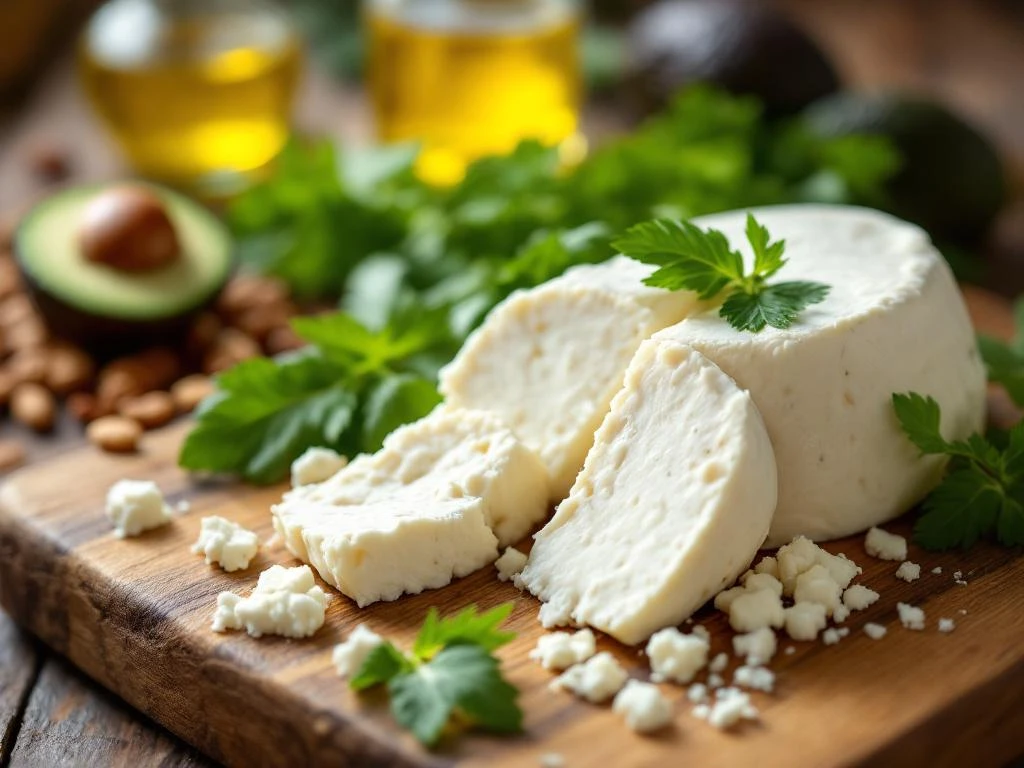
Yes, goat cheese is absolutely suitable for a keto diet. With its low carbohydrate content ranging from 0-2 grams per ounce and high fat profile, goat cheese meets the strict macronutrient requirements of ketogenic eating. This traditional cheese offers B2B buyers an excellent opportunity to meet growing consumer demand for keto-friendly dairy products across retail, foodservice, and industrial applications.
Understanding goat cheese in the context of ketogenic diets
Goat cheese has emerged as a cornerstone product in the keto-friendly dairy category, offering exceptional nutritional benefits that align perfectly with ketogenic dietary requirements. The traditional cheese-making process naturally results in a product containing minimal carbohydrates while maintaining a rich fat content, making it ideal for consumers following low-carb lifestyles.
The growing popularity of goat cheese among keto dieters stems from its versatility and superior digestibility compared to many cow’s milk alternatives. For foodservice providers and retailers, this presents a significant opportunity to diversify their offerings with products that cater to health-conscious consumers. The demand for keto cheese alternatives continues to expand across all market segments, from specialty cheese shops to large-scale food manufacturers.
Market trends indicate that consumers actively seek out goat cheese varieties for their keto meal planning, appreciating both the nutritional profile and the distinctive flavour that enhances various dishes. This demand spans fresh varieties, ripened options, and innovative formats like crumbles, spreads, and portion-controlled pucks that simplify both retail merchandising and kitchen operations.
What makes goat cheese different from other keto cheese options?
Goat cheese distinguishes itself from other keto-friendly cheeses through several unique characteristics that benefit both end consumers and B2B buyers. The smaller fat globules in goat’s milk create a naturally smoother texture and enhanced digestibility, making it an attractive option for customers who may experience discomfort with traditional dairy products.
The goat cheese nutrition profile reveals lower lactose content compared to cow’s milk cheeses, typically containing less than 1 gram per serving. This reduction occurs naturally during the cheese-making process, particularly in aged varieties. The distinctive tangy flavour profile adds culinary interest without requiring additional carb-heavy flavourings, maintaining the integrity of keto-friendly formulations.
For foodservice operators and retailers, these differences translate into practical advantages. Goat cheese offers menu versatility, working equally well in cold applications like salads and spreads or hot dishes including pizzas and pasta. The range of textures available, from creamy fresh varieties to firm aged options, provides flexibility in creating diverse keto-friendly offerings that appeal to sophisticated palates.
How many carbs does goat cheese contain per serving?
Understanding the precise carbohydrate content of goat cheese varieties helps B2B buyers make informed decisions for their keto-conscious customers. Fresh goat cheese typically contains 0-1 gram of carbs per 28-gram serving, while aged varieties may contain up to 2 grams due to the concentration that occurs during the ageing process.
| Goat Cheese Type | Serving Size | Carbs per Serving | Fat Content |
|---|---|---|---|
| Fresh Goat Cheese | 28g (1 oz) | 0-1g | 6-8g |
| Ripened Goat Cheese | 28g (1 oz) | 1-2g | 8-10g |
| Goat Cheese Spread | 30g | 1g | 5-6g |
| Goat Brie | 28g (1 oz) | 0.5-1g | 7-9g |
Processing methods significantly impact goat cheese carbs content. Fresh varieties undergo minimal processing, retaining their naturally low carbohydrate levels. Flavoured options may contain slightly higher carb counts depending on added ingredients, though many manufacturers now offer herb and spice variations that maintain keto-friendly profiles. For industrial applications, bulk formats provide consistent macronutrient profiles that simplify nutritional calculations for prepared foods.
Which goat cheese varieties work best for keto meal planning?
The versatility of goat cheese formats offers exceptional opportunities for creating diverse keto-friendly menus and retail selections. Fresh goat cheese rolls provide a creamy base for both sweet and savoury applications, while maintaining minimal carbohydrate content. These traditional formats work brilliantly in salads, as sandwich fillings, or melted into hot dishes.
Innovative formats like goat cheese pucks and crumbles address the growing demand for convenience in keto meal preparation. Pre-portioned pucks in 7g, 20g, or 23g sizes simplify portion control and reduce preparation time in commercial kitchens. Crumbles offer visual appeal and ease of use in salads, pizzas, and pasta dishes, providing texture variation that enhances the dining experience.
Ripened varieties, including goat brie and aged goat cheese, deliver complex flavours that satisfy sophisticated palates while maintaining low carb goat cheese profiles. These options work particularly well for cheese boards, tapas selections, and premium sandwich offerings. The natural white rind on brie varieties adds visual appeal without contributing additional carbohydrates, making them ideal for upscale keto-friendly presentations.
Key takeaways for incorporating goat cheese into keto offerings
Goat cheese represents a valuable addition to any keto-focused product portfolio, combining traditional craftsmanship with modern dietary trends. The consistently low carbohydrate content across various formats, coupled with high fat levels and superior digestibility, positions goat cheese as an essential component in keto-friendly offerings.
The versatility of available formats, from spreadable varieties to portion-controlled pucks and elegant ripened options, enables B2B buyers to meet diverse market needs. Whether supplying specialty cheese shops, foodservice operations, or industrial processors, goat cheese provides reliable goat cheese macros that support keto dietary requirements while delivering exceptional flavour and functionality.
Success in the keto market requires partnering with suppliers who understand both traditional cheese-making excellence and contemporary nutritional demands. Quality certifications, including IFS, VLOG, and organic options, ensure product integrity and safety. As consumer interest in ketogenic diets continues to grow, offering premium goat cheese varieties positions businesses to capture this expanding market segment while maintaining the artisanal quality that discerning customers expect.
Related Articles
- What are the effects of a goat milk shortage on the industrial cheese price?
- What are the possibilities for customization in industrial goat cheese curd?
- Why is goat cheese part of premium positioning?
- What are the different textures of goat cheese varieties?
- Why is IFS certification important for cheese suppliers?