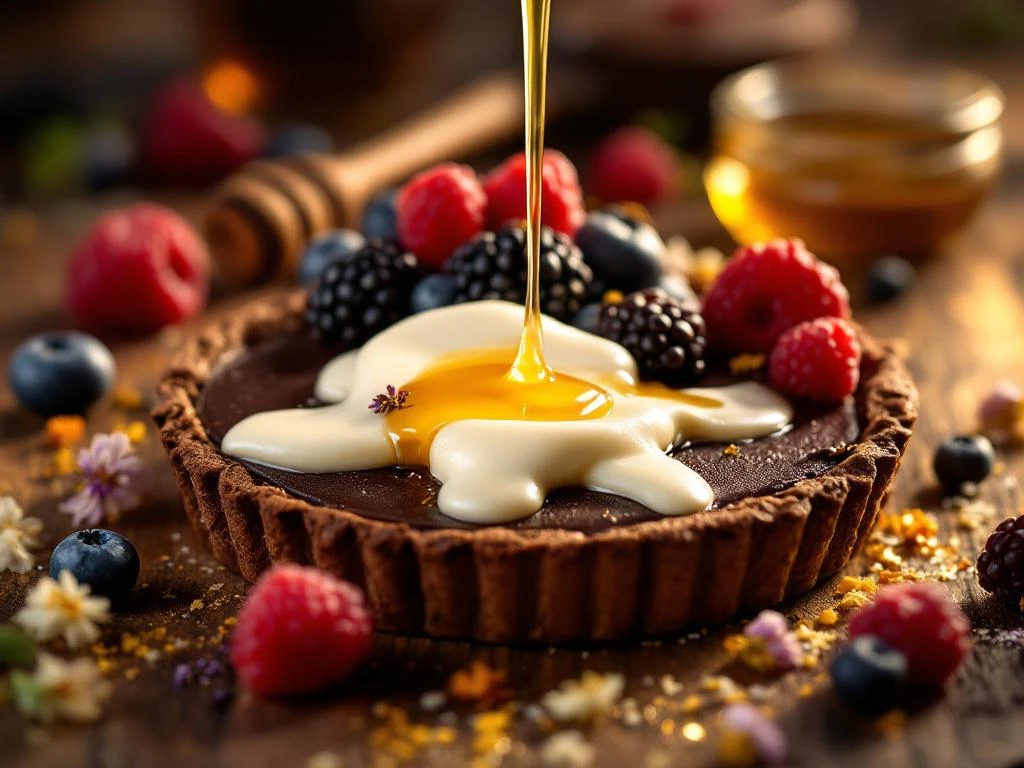
Goat cheese transforms desserts with its tangy, creamy profile that perfectly balances sweetness. Fresh goat cheese adds a sophisticated twist to both baked and no-bake desserts, creating lighter alternatives to traditional cream cheese-based treats. Its mild flavour complements fruits, honey, and chocolate beautifully, whilst its natural acidity adds complexity to sweet dishes. From goat cheese cheesecake to delicate tarts, this versatile ingredient opens up endless possibilities for innovative dessert creations.
Introduction to goat cheese in sweet applications
The transformation of goat cheese from savoury staple to dessert star represents one of the most exciting developments in modern pastry. Fresh goat cheese brings a unique tangy-creamy profile that elevates traditional sweet recipes whilst reducing overall heaviness. This distinctive cheese works exceptionally well in desserts because its natural mild flavour doesn’t overpower delicate ingredients like vanilla, berries, or chocolate.
The versatility of fresh goat cheese shines through in both baked applications like cheesecakes and tarts, and no-bake preparations such as mousses and parfaits. Its lower fat content compared to mascarpone or cream cheese creates desserts that feel indulgent yet refreshingly light. The subtle tang provides a sophisticated counterpoint to sweetness, preventing desserts from becoming cloying.
Professional pastry chefs and home bakers alike appreciate how goat cheese’s smooth texture incorporates seamlessly into batters, fillings, and frostings. Whether folded into a honey-sweetened mousse or baked into a goat cheese tart with figs, this ingredient consistently delivers exceptional results that surprise and delight.
What makes goat cheese perfect for desserts?
Goat cheese possesses several unique properties that make it an ideal ingredient for sweet applications. Its naturally creamy texture creates smooth, velvety desserts without the density often associated with traditional cream cheese. The tangy flavour profile adds depth and complexity, preventing one-dimensional sweetness whilst enhancing other ingredients’ natural flavours.
The lighter molecular structure of goat cheese means it whips beautifully, creating airy mousses and frostings. This characteristic makes it particularly suitable for creamy goat cheese desserts that require a delicate texture. Additionally, goat cheese contains less lactose than cow’s milk products, making desserts more digestible for many people.
Different varieties of goat cheese offer varying applications in desserts:
- Fresh goat cheese: Perfect for cheesecakes, mousses, and no-bake desserts
- Spreadable goat cheese: Ideal for frostings and quick dessert preparations
- Aged goat cheese: Adds complexity to baked goods and pairs beautifully with honey
- Goat cheese crumbles: Excellent for topping fruit tarts or incorporating into crumble desserts
The natural acidity in goat cheese serves a crucial function in baking with goat cheese, helping to activate leavening agents and create tender crumb structures in cakes and pastries.
How do you prepare goat cheese for baking?
Proper preparation of goat cheese ensures smooth, lump-free incorporation into your dessert recipes. Always bring goat cheese to room temperature at least 30 minutes before use, as cold cheese will create lumps and resist proper mixing. Place the cheese in a bowl and let it sit covered on the counter, stirring occasionally to ensure even warming.
For achieving the smoothest consistency, use an electric mixer on medium speed to cream the room-temperature goat cheese until fluffy, approximately 2-3 minutes. Add any sugar gradually whilst continuing to beat, which helps break down any remaining lumps. When incorporating goat cheese into batters, fold it in gently to maintain airiness, especially for delicate preparations like soufflés or mousses.
Temperature considerations prove critical when baking with goat cheese:
- For cheesecakes: Ensure all ingredients are at room temperature to prevent cracking
- For frostings: Slightly cool goat cheese creates more stable buttercream
- For pastries: Keep dough ingredients cold for flakier results
- For no-bake desserts: Chill prepared mixtures thoroughly before serving
When mixing goat cheese with other ingredients, add liquids slowly to prevent separation. If lumps persist, pass the mixture through a fine-mesh sieve or use an immersion blender briefly.
Which flavours pair best with goat cheese in desserts?
Understanding goat cheese flavour pairings unlocks the full potential of this versatile ingredient in sweet applications. Classic combinations have stood the test of time because they create perfect harmony between the cheese’s tang and complementary flavours. Honey remains the most traditional pairing, with its floral sweetness beautifully offsetting goat cheese’s acidity.
Fruits that excel with goat cheese include:
- Figs: Their jammy sweetness creates luxurious tarts and galettes
- Berries: Strawberries, raspberries, and blackberries add bright acidity
- Stone fruits: Peaches, apricots, and plums provide juicy sweetness
- Citrus: Lemon and orange zest brighten goat cheese desserts
Unexpected pairings expand creative possibilities further. Dark chocolate and goat cheese create sophisticated truffles, whilst caramel sauce drizzled over goat cheese panna delivers indulgent contrast. Herbs like lavender, thyme, and rosemary add aromatic complexity when used sparingly. Vanilla extract enhances goat cheese’s natural sweetness, whilst a touch of cinnamon or cardamom provides warming spice notes.
| Flavour Category | Best Pairings | Dessert Applications |
|---|---|---|
| Sweet | Honey, maple syrup, caramel | Cheesecakes, drizzles, glazes |
| Fruity | Figs, berries, citrus | Tarts, compotes, parfaits |
| Herbal | Lavender, thyme, basil | Ice creams, shortbreads, sorbets |
| Spiced | Vanilla, cinnamon, nutmeg | Cakes, cookies, custards |
Key takeaways for mastering goat cheese desserts
Success with sweet goat cheese recipes depends on understanding and applying fundamental techniques. Room temperature preparation remains crucial for smooth textures, whilst proper mixing techniques prevent lumps and ensure even distribution. The versatility of goat cheese allows for endless experimentation, from traditional cheesecakes to innovative frozen desserts.
Essential tips for goat cheese dessert mastery include selecting the right cheese variety for your application, balancing tangy and sweet elements carefully, and allowing adequate chilling time for no-bake preparations. Fresh, high-quality goat cheese makes a noticeable difference in final results, with artisanal varieties offering superior flavour and texture.
Whether creating a simple dessert with goat cheese like honey-drizzled crostini or an elaborate multi-layered cake, this ingredient consistently delivers sophisticated results. We encourage exploring various formats, from whipped mousses to baked tarts, discovering how goat cheese transforms ordinary desserts into memorable culinary experiences. The combination of traditional cheese-making expertise and modern dessert applications opens exciting possibilities for both professional kitchens and home bakers seeking to elevate their sweet creations.
Related Articles
- How do you keep artisanal quality when scaling up to industrial volumes?
- What flavor varieties of goat cheese such as cranberry-cinnamon are popular in the food industry?
- How can goat cheese be incorporated into premium quiche or tart concepts?
- Can goat cheese be used in soups?
- What breeds of goats make the best cheese?