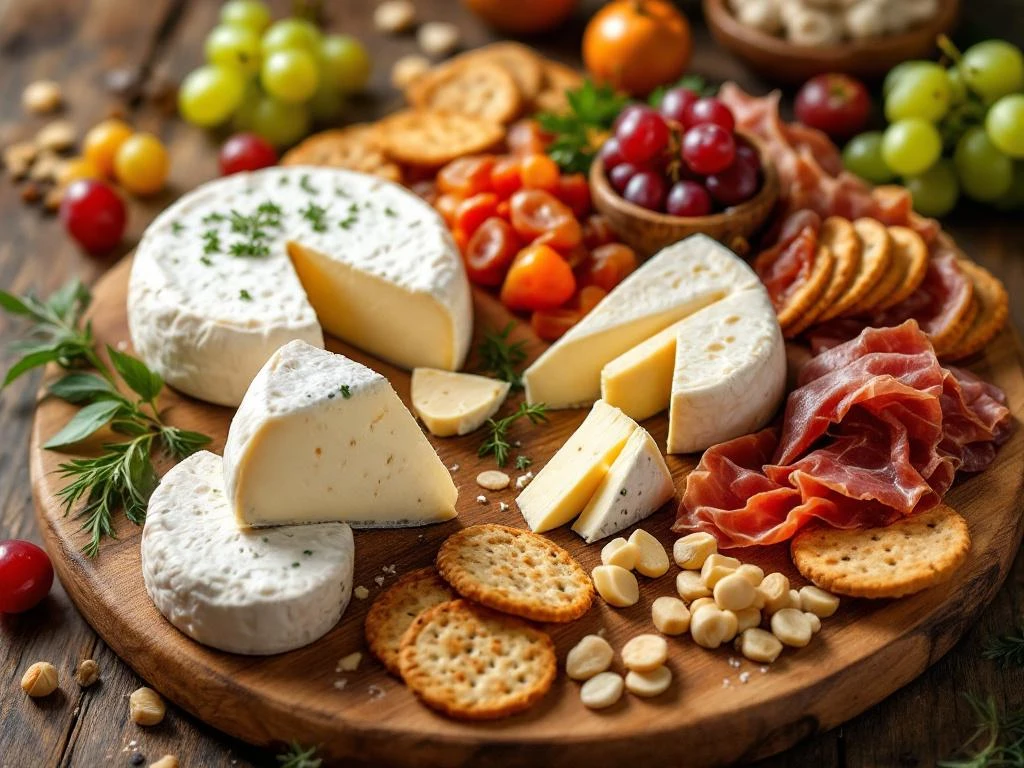
Pairing goat cheese with charcuterie creates a harmonious balance of tangy, creamy textures with savoury, cured meats. The key lies in matching complementary flavours: fresh goat cheese pairs beautifully with mild prosciutto, whilst aged varieties stand up to bold salamis. Consider texture contrasts, temperature balance, and strategic placement on your board for optimal taste progression.
Getting started with goat cheese and charcuterie pairings
Understanding the fundamentals of pairing goat cheese with charcuterie begins with recognising how complementary flavours work together. Goat cheese’s distinctive tangy profile, created by capric acid, naturally enhances the savoury notes in cured meats. The creamy texture provides a refreshing contrast to the dense, chewy nature of charcuterie, whilst the cheese’s acidity cuts through fatty meats, cleansing the palate between bites.
The success of any pairing depends on balancing intensity levels. Delicate fresh goat cheese works wonderfully with mild cured meats, whilst robust aged varieties can hold their own against strongly flavoured salamis. Temperature also plays a crucial role, as goat cheese develops its full flavour profile when served at room temperature, allowing its creamy texture to complement the oils released from warmed charcuterie.
Professional cheese specialists recommend considering three elements when creating pairings: flavour intensity, texture contrast, and regional harmony. Traditional European pairings often match goat cheese and charcuterie from the same region, as they’ve evolved together over centuries to create perfect flavour marriages.
What types of goat cheese work best with charcuterie?
Fresh goat cheese varieties, including classic chèvre and spreadable formats, offer versatility for charcuterie boards. Their mild, creamy character pairs exceptionally well with delicate meats like prosciutto di Parma or bresaola. Fresh varieties with 16% fat content maintain their delicious taste whilst providing a lighter option that won’t overwhelm subtle meat flavours. These cheeses spread easily on crackers or bread, creating an ideal base for layering with thinly sliced meats.
Ripened goat cheese rolls bring a more complex flavour profile to charcuterie pairings. With their soft, creamy texture and slightly stronger taste, they complement medium-intensity meats like coppa or mortadella. The ripening process develops deeper flavours that can stand alongside herbs and spices often found in artisanal charcuterie. These varieties work particularly well when sliced into rounds and alternated with folded meat slices for visual appeal.
Speciality goat cheese formats offer unique pairing opportunities. Goat cheese pearls marinated in spiced oil provide both flavour and visual interest, whilst the oil doubles as a dressing for accompanying salads. Crumbled varieties add textural variety and can be scattered across the board for guests to combine with their preferred meats. Goat brie, with its distinctive white rind and creamy interior, bridges the gap between mild and strong flavours, making it an excellent all-purpose choice for varied charcuterie selections.
Which charcuterie meats complement goat cheese?
Prosciutto stands as the classic partner for goat cheese, with its delicate, sweet flavour enhancing the cheese’s tangy notes without competition. The paper-thin slices wrap beautifully around fresh goat cheese portions, creating elegant single-bite combinations. Italian varieties like Prosciutto di San Daniele offer a slightly nuttier profile that pairs particularly well with honey-infused goat cheese varieties.
Salami varieties provide bold flavours that require equally assertive goat cheese partners. Fennel-spiced finocchiona complements herb-crusted goat cheese, whilst peppery varieties like saucisson sec balance nicely with plain ripened goat cheese. The fat content in salami interacts beautifully with goat cheese’s acidity, creating a rich, satisfying combination that benefits from crisp accompaniments.
Spanish and French charcuterie traditions offer exceptional pairing opportunities. Jamón Serrano’s intense, nutty flavour matches wonderfully with aged goat cheese, whilst French pâtés and terrines benefit from fresh goat cheese’s ability to cut through their richness. Coppa, with its perfect balance of meat and fat marbling, serves as a versatile option that pairs well with any goat cheese variety, from fresh to fully ripened.
How do you arrange goat cheese on a charcuterie board?
Proper arrangement begins with strategic placement that encourages flavour progression. Position milder fresh goat cheeses near delicate meats like prosciutto, whilst placing stronger ripened varieties alongside robust salamis. Create visual balance by distributing white goat cheese across the board to contrast with darker meats. Leave adequate space between different cheese varieties to prevent flavour mixing and allow easy access for serving.
Temperature and portioning require careful consideration for optimal presentation. Remove goat cheese from refrigeration 30-45 minutes before serving to achieve the ideal creamy texture. Fresh varieties can be pre-sliced into 20-gram portions for easy serving, whilst ripened rolls should be cut into 5mm rounds. Spreadable varieties work best presented in small bowls with dedicated knives to prevent cross-contamination with meat flavours.
Cutting techniques vary by cheese texture and format. Soft fresh goat cheese benefits from using a wire cutter or dental floss for clean slices. Firmer ripened varieties can be cut with a sharp knife dipped in hot water between slices. For crumbled presentations, break larger pieces by hand rather than cutting to maintain appealing, irregular shapes that add visual texture to the board.
What accompaniments enhance goat cheese and charcuterie pairings?
Sweet accompaniments create essential flavour bridges between tangy goat cheese and savoury meats. Honey remains the classic choice, particularly when drizzled over fresh goat cheese paired with prosciutto. Fig jam offers complex sweetness that complements both mild and strong flavour combinations, whilst quince paste provides a firmer texture ideal for layering. Fresh fruits like grapes, pear slices, and figs add refreshing notes that cleanse the palate between rich bites.
Nuts and olives contribute crucial textural elements whilst enhancing overall flavour complexity. Toasted walnuts pair beautifully with goat cheese and bring out nutty notes in aged meats. Marcona almonds offer buttery crunch that complements creamy cheese textures. Mixed olives provide briny contrast that heightens the appreciation of both cheese and meat flavours, with Castelvetrano olives being particularly well-suited to goat cheese combinations.
Bread and cracker selection can make or break a charcuterie board. Neutral water crackers allow cheese and meat flavours to shine, whilst seeded crackers add textural interest without overwhelming delicate pairings. Fresh baguette slices provide a traditional base that absorbs oils and juices. Crisp flatbreads offer sturdy platforms for building layered bites. Consider including gluten-free options to accommodate all guests whilst maintaining quality and flavour.
Key takeaways for perfect goat cheese charcuterie pairings
Creating exceptional goat cheese and charcuterie pairings relies on understanding balance, variety, and quality. Match flavour intensities appropriately, pairing mild with mild and bold with bold. Consider textural contrasts that enhance the eating experience, combining creamy cheeses with firm meats and adding crunchy elements through nuts or crackers. Temperature management ensures both cheese and meat express their full flavour potential.
Professional presentation elevates the entire experience. Arrange components thoughtfully to guide guests through a flavour journey, from delicate to robust combinations. Include a variety of accompaniments that bridge flavours and add visual appeal. Proper portioning ensures easy serving whilst maintaining the board’s aesthetic throughout the event.
Success ultimately depends on sourcing high-quality ingredients from reliable suppliers who understand traditional cheese-making methods. Premium goat cheese producers ensure consistent quality through careful milk selection, traditional recipes, and proper ageing techniques. This attention to craftsmanship, combined with flexible packaging options for different service needs, allows cheese professionals to create memorable charcuterie experiences that showcase the best of both cheese and meat traditions.
Related Articles
- How do you develop a goat cheese concept around red onion and honey?
- What questions are often missing from a first conversation with a cheese producer?
- What do you do when a goat cheese puck supplier doesn't meet your quality requirements?
- How does goat diet affect cheese flavor?
- How is goat cheese different from sheep cheese?