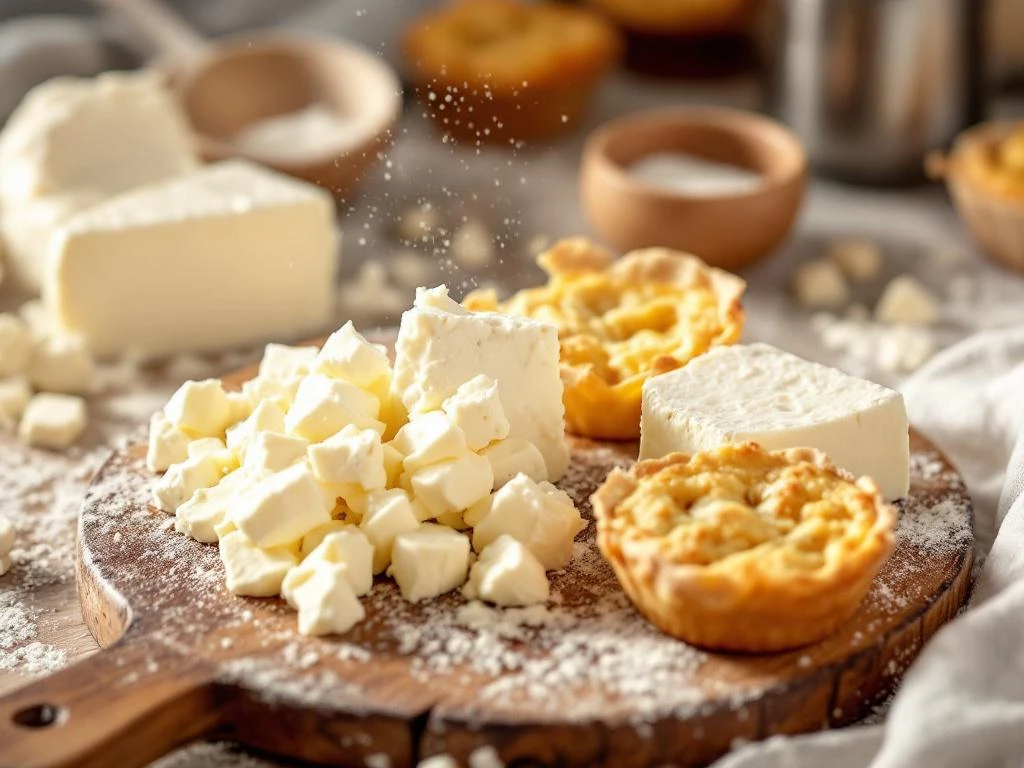
Yes, goat cheese can absolutely be used in baking, offering exceptional versatility for both sweet and savoury applications. Its naturally creamy texture, distinctive tangy flavour, and excellent melting properties make it an ideal ingredient that enhances moisture, adds depth of flavour, and creates appealing textures in baked goods ranging from quiches and tarts to cheesecakes and pastries.
Understanding goat cheese in baking applications
Goat cheese has become increasingly popular in professional baking and foodservice operations due to its unique characteristics that elevate both traditional and innovative recipes. The cheese’s lower melting point compared to cow milk varieties allows it to blend seamlessly into batters and fillings, while its tangy flavour profile provides a sophisticated counterpoint to sweet ingredients and complements savoury preparations beautifully.
Professional bakers appreciate goat cheese for its ability to maintain moisture in baked goods without adding excessive heaviness. Whether using fresh crumbles for textural interest, spreadable varieties for smooth fillings, or ripened logs for more complex flavour development, goat cheese adapts remarkably well to various baking temperatures and techniques. Its versatility extends from simple additions to salads and pizzas to more complex applications in cheese fondues, soups, and even desserts.
The growing demand for goat cheese in baking reflects broader culinary trends towards artisanal ingredients and unique flavour profiles. Foodservice professionals increasingly recognise that quality goat cheese can transform ordinary baked items into memorable dishes that stand out on menus and appeal to discerning customers seeking both traditional craftsmanship and innovative taste experiences.
What makes goat cheese ideal for baking?
Several unique properties make goat cheese particularly well-suited for baking applications. Its protein structure differs from cow milk cheese, creating a smoother melting pattern that prevents stringiness and ensures even distribution throughout baked goods. This characteristic proves especially valuable when incorporating cheese into delicate pastries or creating smooth, creamy fillings.
The moisture content in fresh goat cheese typically ranges higher than many aged cow milk cheeses, contributing to tender crumb structures in breads and preventing dryness in baked items. This natural moisture retention means bakers can often reduce added fats in recipes while maintaining desired textures. Additionally, goat cheese’s lower lactose content makes it more digestible for many consumers, expanding menu options for those with mild dairy sensitivities.
Different formats of goat cheese serve specific baking purposes effectively. Fresh crumbles work brilliantly for topping pizzas, incorporating into scone dough, or folding into muffin batters. Spreadable varieties excel in creating smooth cheesecake bases or as filling for stuffed pastries. Ripened goat cheese logs offer more intense flavours suitable for sophisticated tarts or as focal points in artisanal breads. Each format maintains stability during baking while contributing its distinctive characteristics to the final product.
How does goat cheese behave differently than other cheeses when baked?
Goat cheese exhibits markedly different behaviour during baking compared to traditional cow milk cheeses. Its lower fat content and unique protein structure mean it softens rather than becoming stringy when heated, creating creamy pockets within baked goods rather than elastic stretches. This characteristic makes it ideal for applications where a smooth, integrated texture is desired.
Temperature sensitivity plays a crucial role in goat cheese baking success. While cow milk mozzarella might require high heat to achieve proper melting, goat cheese performs optimally at moderate temperatures between 160-180°C. Exceeding these temperatures can cause the proteins to separate, resulting in a grainy texture. The cheese also browns more quickly than many cow’s milk varieties, requiring careful monitoring to achieve golden surfaces without burning.
Moisture retention differs significantly between goat and cow milk cheeses during baking. Goat cheese tends to hold its moisture content better, preventing the common issue of oil separation seen with some cow milk cheeses. This stability means goat cheese maintains its creamy consistency throughout the baking process, contributing to more consistent results in commercial operations. However, this same property requires adjustments to liquid ratios in recipes originally developed for cow milk cheese.
What are the best baking applications for goat cheese?
Savoury applications showcase goat cheese’s versatility exceptionally well. In quiches and savoury tarts, crumbled fresh goat cheese creates creamy pockets that complement vegetables and herbs beautifully. For pizzas and flatbreads, both crumbles and pucks offer convenient portion control while ensuring even distribution. Stuffed pastries benefit from spreadable varieties that maintain their shape during baking while providing smooth, tangy filling.
Sweet applications reveal goat cheese’s surprising adaptability. Cheesecakes made with goat cheese develop a lighter texture and more complex flavour profile than traditional versions. In cookies and shortbreads, small amounts of goat cheese add tenderness and a subtle tang that enhances sweetness without overwhelming. Fruit tarts particularly benefit from goat cheese’s natural affinity with honey, berries, and stone fruits.
| Application | Recommended Format | Key Benefits |
|---|---|---|
| Quiches & Tarts | Fresh crumbles (100-500g) | Even distribution, consistent melting |
| Breads & Scones | Crumbles or spread | Moisture retention, tender crumb |
| Pizzas & Flatbreads | Pucks (7-23g portions) | Portion control, visual appeal |
| Cheesecakes | Spreadable (800g-10kg) | Smooth texture, easy blending |
| Stuffed Pastries | Ripened logs (450g-2.6kg) | Firm texture, complex flavour |
Innovative applications continue emerging as chefs experiment with goat cheese’s unique properties. Goat brie varieties offer sophisticated options for en croûte preparations, while herb-infused varieties add complexity to savoury galettes. The availability of flavoured options, including honey, herbs, and even truffle varieties, expands creative possibilities for both sweet and savoury baking applications.
How do you prevent goat cheese from becoming grainy when baking?
Preventing graininess requires understanding goat cheese’s protein structure and how it responds to heat. The key lies in controlled temperature management throughout the baking process. Starting with room temperature cheese ensures even heating and prevents thermal shock that can cause proteins to seize. Gradual temperature increases work better than sudden high heat exposure.
Proper mixing techniques significantly impact final texture. When incorporating goat cheese into batters or fillings, gentle folding preserves the delicate protein structure better than vigorous beating. For smooth applications like cheesecake filling, using a food processor or stand mixer on low speed while the cheese is slightly cool helps achieve silky consistency. Adding stabilising ingredients such as small amounts of cream or cornstarch can help maintain smoothness during baking.
Common mistakes leading to grainy texture include overbaking, using excessive heat, and combining goat cheese with highly acidic ingredients without proper buffering. Professional bakers recommend using fresh, high-quality goat cheese stored properly before use, as aged or improperly stored cheese develops grainy textures more readily. For optimal results, bake goat cheese dishes in water baths when possible, monitor internal temperatures carefully, and remove from heat while centres remain slightly jiggly, allowing carryover cooking to complete the process.
Key takeaways for baking with goat cheese
Goat cheese proves itself as an exceptionally versatile baking ingredient, offering unique advantages over traditional cheese options. Its superior moisture retention, distinctive flavour profile, and adaptable texture make it suitable for applications ranging from rustic breads to elegant pastries. The availability of various formats, from convenient pre-portioned pucks to bulk packaging for industrial use, ensures efficient integration into any bakery operation.
Success with goat cheese in baking depends on understanding its unique properties and adjusting techniques accordingly. Lower baking temperatures, gentle handling, and proper storage all contribute to optimal results. The cheese’s natural affinity with both sweet and savoury ingredients opens endless creative possibilities for menu development.
Quality sourcing remains crucial for consistent baking results. Traditional producers who maintain high standards in milk selection and cheese production provide products that perform reliably across various applications. As foodservice professionals continue exploring innovative uses for goat cheese, partnering with suppliers who offer flexibility in formats, consistent quality, and technical support ensures successful implementation of new goat cheese baking concepts that delight customers and differentiate menus.