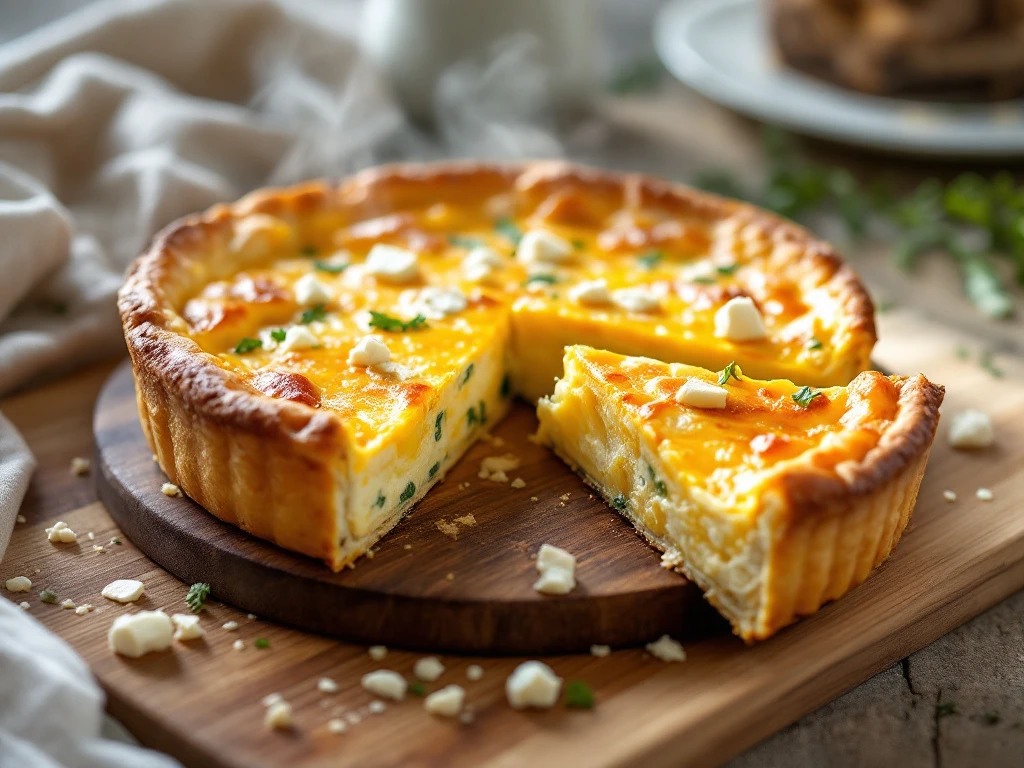
Goat cheese transforms ordinary quiche into an extraordinary culinary experience through its creamy texture and distinctive tangy flavour. The cheese melts beautifully into the egg custard, creating a lighter, more sophisticated dish than traditional quiche made with cow’s milk cheese. To use goat cheese in quiche, crumble or slice it directly into your egg mixture, layer it with vegetables, or dot it across the filling before baking for optimal distribution and flavour.
What makes goat cheese perfect for quiche and how does it differ from other cheeses?
Goat cheese brings unique properties to quiche that set it apart from traditional cheese options. Its naturally lower fat content and smaller fat globules create a lighter, more digestible texture whilst maintaining rich creaminess. The tangy, slightly acidic profile of goat cheese cuts through the richness of eggs and cream, providing balance that prevents the quiche from feeling heavy or overwhelming.
The protein structure in goat cheese differs significantly from cow’s milk varieties. When heated, goat cheese maintains its creamy consistency without becoming stringy or separating, making it ideal for the gentle baking temperatures required for quiche. This characteristic ensures even distribution throughout the custard, creating pockets of flavour rather than clumps or uneven melting.
Fresh goat cheese contains higher moisture content than aged cow’s milk cheeses, contributing to a silkier custard texture. This moisture integrates seamlessly with the egg mixture, preventing the dry, grainy texture that can occur with harder cheeses. The result is a quiche with superior mouthfeel and consistent texture from edge to centre.
Which types of goat cheese work best in quiche?
Fresh chèvre stands as the most versatile option for quiche, offering mild tanginess and smooth texture that blends effortlessly with eggs. Its spreadable consistency allows for easy incorporation, whether whisked directly into the custard or crumbled throughout. Fresh goat cheese rolls provide the perfect balance of creaminess and structure, maintaining their shape whilst melting gently during baking.
Aged goat cheeses bring more complex flavours but require careful consideration. Semi-aged varieties offer deeper, nuttier notes whilst still maintaining enough moisture for smooth melting. These work particularly well in quiches featuring robust ingredients like caramelised onions or roasted vegetables. Harder aged goat cheeses should be used sparingly as accent flavours rather than primary ingredients.
Herbed and flavoured goat cheese varieties add instant complexity to your quiche. Options infused with garlic, herbs, or honey eliminate the need for additional seasonings whilst ensuring consistent flavour distribution. Goat cheese crumbles in various flavours provide convenient portion control and even distribution, making them ideal for both home cooks and professional kitchens seeking consistency.
How do you properly incorporate goat cheese into quiche filling?
The timing and method of adding goat cheese significantly impact your quiche’s final texture. For the smoothest integration, bring goat cheese to room temperature before use, allowing it to blend seamlessly with other ingredients. Add soft goat cheese directly to your egg mixture, whisking gently to create ribbons of cheese throughout rather than completely dissolving it, preserving distinct flavour pockets.
Temperature control prevents curdling and ensures optimal texture. Mix goat cheese with eggs at similar temperatures, avoiding the addition of cold cheese to warm custard. When using firmer goat cheese varieties, crumble them into smaller, uniform pieces for even distribution. Layer these pieces between vegetables rather than mixing them into the custard, allowing them to melt gently during baking.
For optimal results, reserve a portion of goat cheese to dot across the quiche surface before baking. This technique creates appealing visual contrast and concentrated flavour bursts. Avoid overmixing, which can break down the cheese structure and result in a grainy texture. Instead, fold ingredients gently, maintaining the integrity of cheese pieces for textural variety.
What vegetables and herbs pair perfectly with goat cheese in quiche?
Spinach remains the classic pairing with goat cheese in quiche, its mild earthiness complementing the cheese’s tang perfectly. Sauté spinach thoroughly to remove excess moisture, preventing a watery quiche. Sun-dried tomatoes offer intense sweetness that balances goat cheese’s acidity, whilst their concentrated flavour means you need less, preventing moisture issues.
Caramelised onions create a sweet counterpoint to tangy goat cheese, their silky texture melding beautifully with the creamy custard. Roasted red peppers add smoky sweetness and vibrant colour, whilst their tender texture complements the soft cheese. Mushrooms, particularly when sautéed until golden, provide umami depth that enhances the cheese’s savoury notes.
Fresh herbs elevate goat cheese quiche from simple to sophisticated. Thyme’s subtle earthiness pairs naturally with goat cheese without overpowering its delicate flavour. Fresh basil adds brightness and aromatic complexity, whilst chives provide mild onion notes that enhance rather than compete. Dill works particularly well with goat cheese and salmon combinations, creating an elegant brunch option.
How much goat cheese should you use in a standard quiche?
A standard 9-inch quiche requires 100-150 grams of goat cheese for optimal flavour and texture balance. This amount provides distinct goat cheese taste without overwhelming the egg custard or compromising structure. For stronger aged varieties, reduce to 75-100 grams, as their intense flavour requires less quantity to achieve the same impact.
The ratio of goat cheese to eggs matters significantly for texture. Use approximately 25-30 grams of goat cheese per egg in your custard base. This proportion ensures the cheese enhances rather than dominates, maintaining the quiche’s structural integrity whilst providing creamy richness throughout. Adjust quantities based on additional ingredients – vegetable-heavy quiches may benefit from slightly more cheese to balance moisture content.
Consider your serving preferences when determining cheese quantity. For a more pronounced goat cheese flavour suitable for cheese enthusiasts, increase to 200 grams, ensuring even distribution to prevent dense pockets. For subtle enhancement that appeals to broader palates, stay within the 100-gram range. Remember that goat cheese intensifies during baking, so err on the conservative side when first experimenting with quantities.
Creating the perfect goat cheese quiche requires understanding how this unique cheese interacts with other ingredients. By selecting the right variety, incorporating it properly, and pairing it with complementary flavours, you’ll achieve a sophisticated dish that showcases goat cheese’s distinctive qualities. Whether you prefer the mild creaminess of fresh chèvre or the complex notes of aged varieties, goat cheese elevates quiche from simple egg dish to gourmet creation.