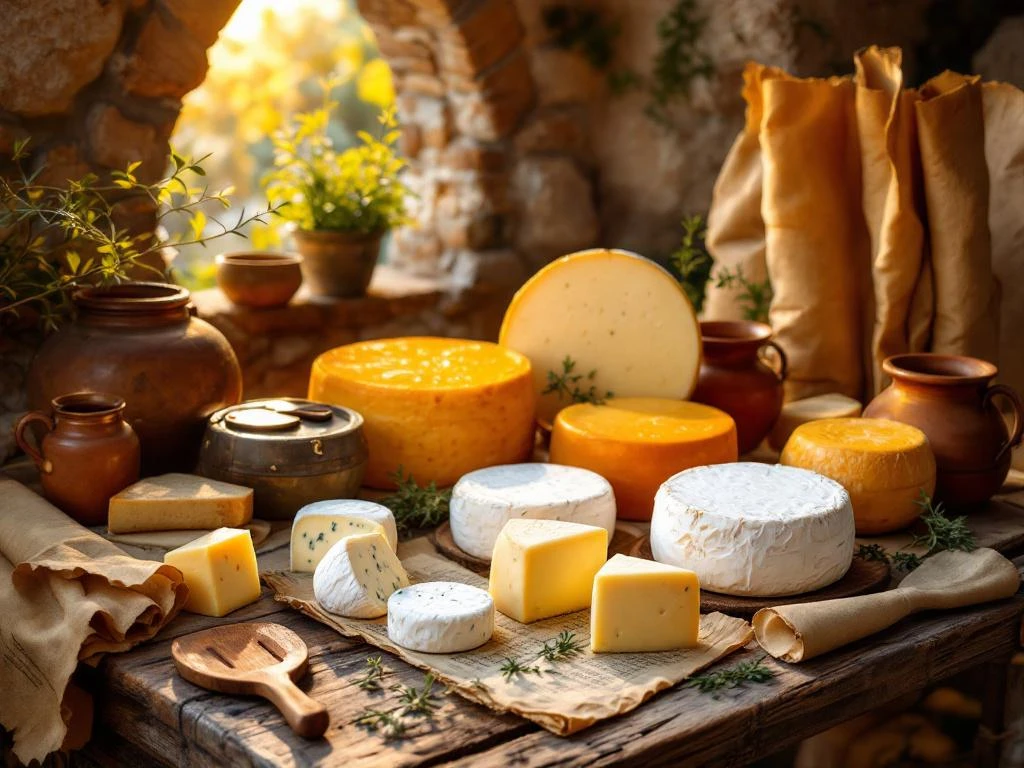
Goat cheese has a remarkable history spanning over 10,000 years, making it one of humanity’s oldest cheese varieties. Archaeological evidence suggests that goat cheese production began around 8,000 BCE in the Fertile Crescent, where nomadic herders first discovered that milk could be preserved through fermentation. This ancient cheese-making tradition emerged from practical necessity, as goats were among the first domesticated animals and their milk needed preservation methods for long journeys across harsh terrains.
When was goat cheese first made?
The earliest evidence of goat cheese production dates back to approximately 8,000 BCE in the Fertile Crescent, the cradle of agriculture between modern-day Iraq, Syria, Lebanon, and Turkey. Archaeological findings reveal that ancient Mesopotamian civilizations were already skilled in transforming goat milk into cheese, using natural fermentation processes that occurred when milk was stored in pouches made from animal stomachs.
These early cheese-makers discovered that enzymes from the stomach lining, combined with the milk’s natural bacteria and the agitation from travel, created curds that could be preserved far longer than fresh milk. Ancient Sumerian texts from around 3,000 BCE describe cheese-making techniques in detail, indicating that by this time, the practice had become sophisticated and widespread. Nomadic herders played a crucial role in refining these preservation methods, as they needed portable, nutritious food sources that could withstand their mobile lifestyle.
The development of goat cheese was particularly significant because goats thrived in mountainous and arid regions where cattle couldn’t survive. This adaptability meant that communities in challenging terrains could still produce nutritious dairy products, making goat cheese essential for survival in many ancient societies.
How did goat cheese spread across different cultures?
Goat cheese journeyed from the Middle East through established trade routes, reaching the Mediterranean basin where it became integral to Greek and Roman cuisines. The ancient Greeks considered goat cheese a delicacy, and Homer’s Odyssey famously describes Polyphemus the Cyclops making sheep and goat cheese in his cave. By 800 BCE, Greek shepherds had developed feta-style cheeses using methods remarkably similar to those still employed today.
The Roman Empire’s expansion accelerated goat cheese’s spread throughout Europe. Roman soldiers carried aged goat cheeses as rations, introducing local populations to these preservation techniques. As Christianity spread during medieval times, monasteries became centres of cheese innovation, with monks perfecting aging processes and developing regional varieties. French regions like Loire Valley and Provence emerged as goat cheese capitals by the 8th century, creating distinct styles that reflected local terroir and traditions.
Spain developed its own rich goat cheese heritage, particularly in regions like Murcia and the Canary Islands, where Moorish influences introduced new spicing and aging techniques. Trade routes through the Mediterranean and along the Silk Road carried goat cheese-making knowledge to North Africa, the Middle East, and eventually to the Americas through Spanish and Portuguese colonisation.
What makes traditional goat cheese production unique?
Traditional goat cheese production relies on time-honoured methods passed down through generations, including natural fermentation processes that develop complex flavour profiles impossible to replicate through industrial methods. Master cheese-makers use indigenous bacterial cultures specific to their regions, creating cheeses with distinctive terroir that reflects local climate, soil, and vegetation consumed by the goats.
Cave-aging remains a cornerstone of traditional production, particularly for aged varieties. Natural caves provide consistent temperature and humidity levels while encouraging the growth of specific moulds that create characteristic rinds and flavours. Seasonal production cycles also define traditional goat cheese-making, as the quality and composition of goat milk varies throughout the year based on the animals’ diet and lactation patterns.
Family cheese-making traditions preserve authentic techniques such as hand-ladling curds, which creates a more delicate texture than mechanical processing. These artisanal producers often maintain small herds, ensuring intimate knowledge of each animal and careful attention to milk quality. The use of wooden tools and natural materials in traditional production contributes unique microflora that enhance flavour development during aging.
Why has goat cheese remained popular throughout history?
Goat cheese has maintained its popularity across millennia due to its superior digestibility compared to cow’s milk cheese. Goat milk contains smaller fat globules and different protein structures, making it easier for many people to digest, particularly those with mild lactose sensitivities. The distinctive tangy flavour profile of goat cheese, ranging from mild and creamy to sharp and complex, offers versatility that appeals to diverse palates and culinary applications.
Throughout history, goat cheese has played a vital role in Mediterranean diets, providing essential nutrients in regions where other protein sources were scarce. Religious dietary laws in Judaism and Islam permitted goat cheese consumption, ensuring its continued production in Middle Eastern and North African communities. The adaptability of goats to various climates, from arid deserts to mountainous regions, meant that communities could produce fresh cheese even where cattle farming was impossible.
Nutritionally, goat cheese offers high-quality protein, calcium, and vitamins while typically containing fewer calories than many cow’s milk cheeses. This nutritional profile, combined with its distinctive taste and cultural significance, has ensured goat cheese remains a staple in traditional diets while gaining popularity in modern health-conscious markets.
How has modern production changed goat cheese making?
Modern goat cheese production has evolved to incorporate technological advances while maintaining traditional quality standards that consumers expect. Contemporary facilities use stainless steel vats with precise temperature controls, ensuring consistent product quality while preserving the artisanal character of the cheese. Quality certifications like IFS (International Featured Standards) have become essential for producers serving international markets, guaranteeing food safety without compromising traditional flavour profiles. And of course we at DeJong Cheese also have the IFS certification.
Innovation in modern production includes the development of new formats and flavours that meet contemporary market demands. Fresh goat cheese is now available in convenient portions, spreadable formats, and innovative presentations like cheese pearls and crumbles that appeal to foodservice professionals and home cooks alike. These innovations make traditional goat cheese more accessible while respecting centuries-old production methods.
The balance between artisanal methods and modern food safety requirements represents the greatest achievement in contemporary goat cheese making. Producers maintain traditional practices like natural fermentation and cave-aging while implementing rigorous quality control systems. This approach ensures that modern goat cheese retains its authentic character while meeting the highest safety standards demanded by today’s global food industry.
The evolution of goat cheese from ancient preservation method to modern culinary ingredient demonstrates its enduring appeal and adaptability. As we continue to value both tradition and innovation in food production, goat cheese stands as a testament to how ancient practices can thrive in contemporary markets. Whether enjoying a simple fresh chèvre or a complex aged variety, we connect with thousands of years of cheese-making heritage that continues to evolve while honouring its roots.And we also use various artisanal and traditional techniques for cheese making in our creamery.