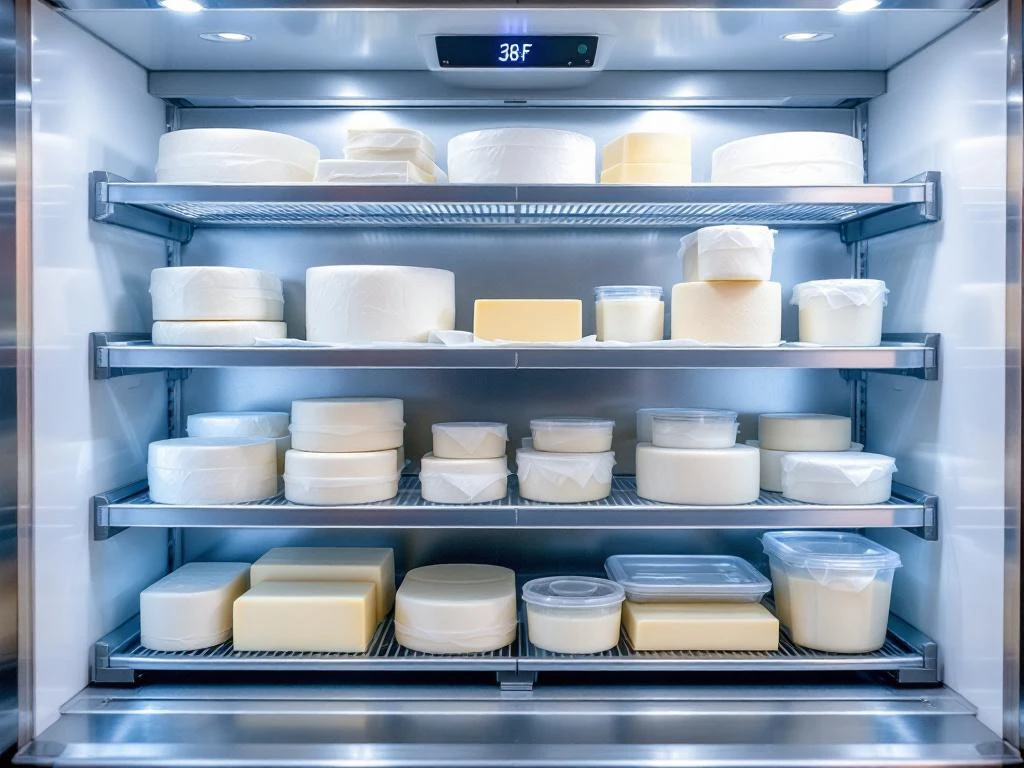
The best way to store goat cheese in a commercial kitchen involves maintaining precise temperature control between 35-45°F (2-7°C), using appropriate airtight containers, and implementing proper rotation systems. Fresh goat cheese requires the coldest temperatures and most careful handling, while aged varieties can tolerate slightly warmer conditions. Strategic placement away from strong-smelling foods and consistent monitoring ensures optimal quality retention and compliance with food safety standards.
What temperature should goat cheese be stored at in commercial kitchens?
Commercial kitchens should store fresh goat cheese at temperatures between 35-40°F (2-4°C), while ripened and aged varieties can be kept at slightly warmer temperatures of 40-45°F (4-7°C). This temperature range prevents bacterial growth while maintaining the delicate texture and flavour profile that makes goat cheese distinctive.
Fresh goat cheese varieties, including spreadable formats and crumbles, contain higher moisture content and require the coldest storage conditions. These products are particularly vulnerable to temperature fluctuations, which can accelerate spoilage and alter their creamy consistency. Digital temperature monitoring systems help maintain consistent conditions throughout service periods.
For soft-ripened goat cheeses like brie-style varieties, the slightly warmer range allows beneficial cultures to remain active without promoting unwanted bacterial growth. Temperature logs should be maintained every four hours during operation, with immediate corrective action taken if readings fall outside the acceptable range. Walk-in coolers equipped with alarm systems provide the most reliable storage environment for maintaining these critical temperatures.
How long does goat cheese last when properly stored?
Fresh goat cheese typically maintains peak quality for 1-2 weeks after opening when stored properly, while aged and ripened varieties can last 3-4 weeks or even several months depending on their moisture content and packaging. The shelf life varies significantly based on the specific type of goat cheese and how well storage protocols are followed.
Fresh varieties like spreadable goat cheese and crumbles have the shortest shelf life due to their high moisture content. Once opened, these products should be date-marked and used within 7-10 days for optimal quality. Vacuum-sealed portions can extend usability by several days, making them ideal for operations with variable demand.
Signs of spoilage include surface discolouration, off-odours, excessive moisture, or mould growth beyond what’s characteristic for the cheese type. Implementing a first-in, first-out rotation system ensures older inventory gets used before newer stock. Staff should inspect cheese daily during prep, removing any questionable products immediately to prevent cross-contamination.
| Goat Cheese Type | Unopened Shelf Life | Opened Shelf Life | Storage Temperature |
|---|---|---|---|
| Fresh/Spreadable | 3-4 weeks | 7-10 days | 35-40°F (2-4°C) |
| Soft-Ripened (Brie) | 4-6 weeks | 2-3 weeks | 40-45°F (4-7°C) |
| Semi-Hard Ripened | 2-3 months | 3-4 weeks | 40-45°F (4-7°C) |
| Crumbles/Pearls | 4-5 weeks | 10-14 days | 35-40°F (2-4°C) |
What containers work best for storing opened goat cheese?
Airtight plastic containers with tight-fitting lids provide the best storage solution for opened goat cheese in commercial settings, preventing moisture loss while protecting against contamination. These containers should be food-grade polypropylene or similar materials that won’t absorb odours or transfer flavours to the cheese.
For operations handling multiple cheese varieties, clear containers allow quick visual inventory checks without opening lids unnecessarily. Vacuum-sealed bags work exceptionally well for portioned cheese, removing air that can accelerate oxidation and spoilage. When using vacuum storage, ensure the pressure isn’t so high that it damages the cheese’s texture.
Specialised cheese paper offers an alternative for ripened varieties that need to breathe. This material maintains humidity while allowing gas exchange, preventing the cheese from becoming too wet or dry. Whatever container method you choose, proper labelling with opening dates, product names, and use-by dates ensures compliance with health regulations and helps staff rotate inventory correctly.
Why does goat cheese require different storage than cow’s milk cheese?
Goat cheese contains smaller fat molecules and higher moisture content than most cow’s milk cheeses, making it more susceptible to rapid spoilage and requiring more careful temperature control. The unique protein structure in goat’s milk creates a more delicate texture that can break down quickly if storage conditions aren’t optimal.
The fat composition in goat cheese, with its lower melting point, means these cheeses can become oily or separate at temperatures that wouldn’t affect cow’s milk varieties. This characteristic makes consistent cold storage essential, particularly for fresh varieties with 16% fat content or higher. Additionally, goat cheese tends to absorb surrounding flavours more readily due to its molecular structure.
Fresh goat cheese products lack the protective rind found on many aged cow’s milk cheeses, leaving them vulnerable to surface contamination and moisture loss. This vulnerability requires more stringent packaging and handling procedures. Understanding these differences helps kitchen staff implement appropriate storage protocols that preserve the distinctive qualities that make goat cheese a valuable menu ingredient. Learn more about specialised cheese handling for commercial operations.
Where should goat cheese be placed in a commercial refrigerator?
Goat cheese should be stored on middle shelves in commercial refrigerators, away from doors and raw proteins, ideally in a designated dairy section that maintains consistent temperature. This placement prevents temperature fluctuations from frequent door openings and reduces contamination risks from raw ingredients stored below.
Position goat cheese away from strong-smelling foods like onions, garlic, or smoked meats, as its porous nature readily absorbs surrounding aromas. Creating a dedicated cheese drawer or section with other dairy products helps maintain organisation while preventing flavour transfer. Use shallow containers rather than deep ones to ensure even cooling throughout the product.
For walk-in coolers, establish zones based on temperature requirements, with fresh goat cheese in the coldest areas and ripened varieties in slightly warmer sections. Install thermometers at cheese storage height rather than relying on general cooler readings, as temperatures can vary significantly between floor and ceiling levels. Clear labelling and consistent placement help staff quickly locate products during busy service periods, reducing door-open time and maintaining temperature stability.
Essential storage practices for maintaining goat cheese quality
Successful commercial kitchen storage of goat cheese requires implementing comprehensive protocols covering temperature control, packaging, placement, and staff training. These practices ensure consistent product quality while meeting health department requirements and reducing costly waste.
Temperature monitoring forms the foundation of proper storage, with checks every four hours and immediate corrective action for any deviations. Proper packaging in airtight containers or specialised cheese paper prevents moisture loss and contamination while allowing appropriate air circulation for ripened varieties. Strategic refrigerator placement away from odorous foods and temperature fluctuation zones maintains product integrity.
Regular staff training ensures everyone understands the unique requirements of goat cheese storage compared to other dairy products. This includes recognising spoilage signs, following rotation procedures, and maintaining detailed logs for health inspections. By investing in proper storage infrastructure and procedures, commercial kitchens can maximise the shelf life of their goat cheese inventory while delivering consistently high-quality dishes to customers. These practices not only ensure food safety compliance but also protect the delicate flavours and textures that make goat cheese a premium ingredient worth the extra care it requires.
Related Articles
- How do you build a business case for a new cheese supplier to present to management?
- What role does texture play in choosing goat cheese for snack concepts?
- What are the benefits of IFS certified goat cheese suppliers?
- Goat cheese vs parmesan in pasta dishes?
- What makes goat cheese taste different from cow's milk cheese?