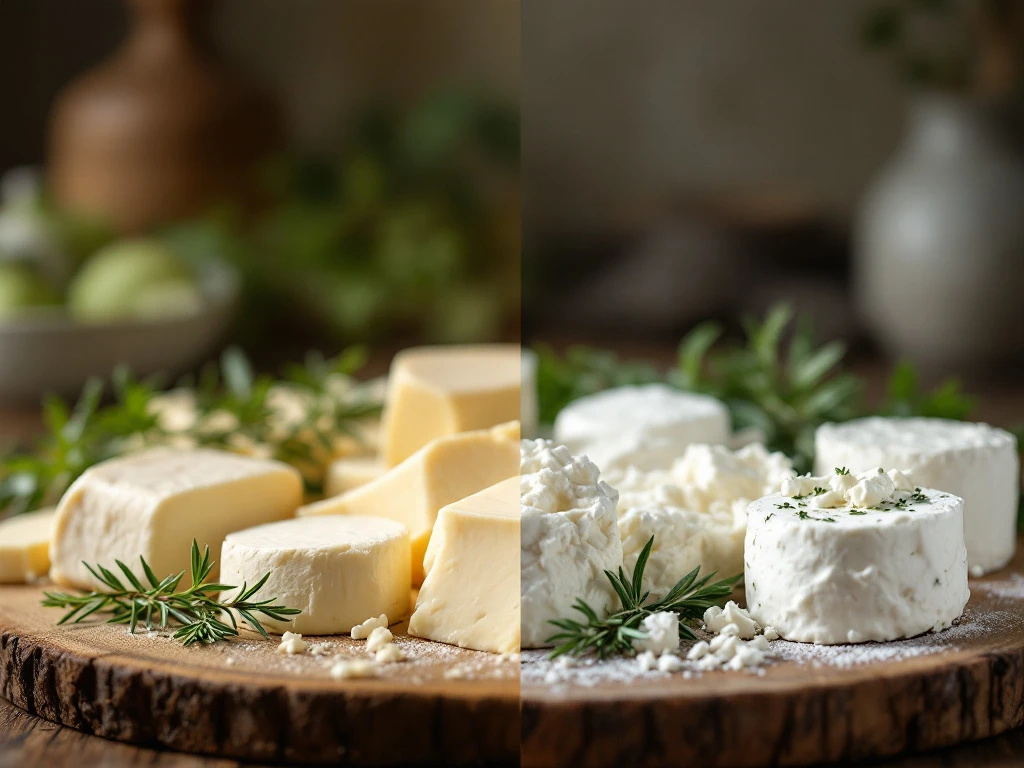
To replace goat cheese in recipes, use cream cheese for spreading, ricotta for cooking, feta for salads, or mascarpone for desserts. The best choice depends on what you are making and what texture you want. Non-dairy options like cashew spreads work well if you cannot eat dairy. Knowing that goat cheese has a tangy taste and creamy texture helps you pick the right replacement and change your seasonings.
What makes goat cheese special and why do we need to replace it?
Goat cheese is special because it has a tangy taste, creamy but crumbly texture, and less lactose than cow’s milk cheese. These features come from goat’s milk, which has different proteins that make softer curds and give it a sharp taste. The cheese also has smaller fat pieces, which makes it easier for many people to digest.
Knowing these things is important when choosing goat cheese alternatives. The tangy taste means you need replacements with similar sourness. The creamy-crumbly texture needs careful matching to keep your recipe working well. People look for replacements because they cannot digest lactose, cannot find goat cheese in their area, it costs too much, or they simply do not like the taste.
The fat and water in goat cheese also change how it acts when cooking. Fresh goat cheese usually has 16-20% fat and melts differently than aged types. This helps you choose good replacements and change how you cook. Whether you spread it on bread, put it on salads, or cook with it, each use needs different replacement features.
Which cheeses work best to replace goat cheese?
Cream cheese is the best all-around replacement for fresh goat cheese, especially for spreading and cold dishes. Its smooth texture and mild tangy taste work well in dips, spreads, and sandwich fillings. For best results, let cream cheese warm to room temperature and add some lemon juice to copy goat cheese’s tangy taste.
Ricotta is a great choice for cooking, especially in pasta dishes, pizzas, and baked foods. Its light texture and mild taste work in many recipes. When using ricotta instead of goat cheese, remove extra water and think about adding herbs or garlic for more flavor. The texture works very well in lasagna, stuffed vegetables, and quiches.
Feta cheese is the closest match for salads and Mediterranean dishes where you usually crumble goat cheese. Both cheeses have a tangy, salty taste and crumbly texture. Choose Greek feta in water for the best replacement. Feta is salty, so you will need to change other seasonings in your recipe.
For desserts, mascarpone gives you the creamy richness you need while keeping a mild taste that will not overpower sweet ingredients. Its higher fat content makes rich textures in cheesecakes, tarts, and mousses where goat cheese usually adds sophistication.
How do you change recipes when replacing goat cheese?
Recipe changes when cooking without goat cheese mainly involve fixing texture and taste differences. Start by using less liquid when using wetter replacements like ricotta, or add moisture when using drier options like aged cheeses. Temperature control is important – most replacements melt at different speeds than goat cheese, so you need to change cooking times.
Changing seasonings is very important for good replacement. Add lemon juice or vinegar to milder cheeses to copy goat cheese’s tang. Use more herbs and aromatics when using bland alternatives. For cream cheese replacements, add garlic powder, dried herbs, or white pepper to build flavor. Be careful with salt levels, especially when using feta or other salty cheeses.
To fix texture problems, whip cream cheese to make it lighter, drain ricotta well, or mix different cheeses for best results. In baked dishes, lower cooking temperatures by 10-15 degrees when using higher-fat replacements to prevent separation. For cold dishes, let replacements reach room temperature for easier mixing and better taste.
Amount changes usually follow a 1:1 replacement for most alternatives, but thick cheeses like feta may need using 3/4 the amount called for. On the other hand, lighter options like whipped ricotta might need slight increases to get the same effect in your dish.
What are the best non-dairy alternatives to goat cheese?
Cashew-based spreads are the best non-dairy alternatives, giving creamy textures and tangy tastes through fermentation. Soak raw cashews overnight, blend with lemon juice, apple cider vinegar, and salt, then culture with probiotics for real tanginess. These spreads work great on crackers, in sandwiches, and as salad toppings. Store-bought versions are convenient while homemade allows you to change flavors.
Almond ricotta gives a lighter alternative perfect for Italian dishes and baking. Made from blanched almonds, lemon juice, and nutritional yeast, it crumbles nicely over pizzas and mixes smoothly into pasta fillings. The nutty taste goes well with Mediterranean flavors while keeping the expected texture in cooked dishes.
Coconut cream-based alternatives work very well in desserts and creamy sauces. Cold coconut cream whipped with lemon juice and salt makes a rich spread. For firmer textures, add agar or tapioca starch. These alternatives are excellent in cheesecakes, frostings, and cream-based pasta sauces where richness matters more than real flavor.
Health considerations include higher protein in nut-based alternatives compared to coconut options. Cashew and almond versions give healthy fats and minerals, while coconut alternatives offer medium-chain triglycerides. Most lack the calcium and B12 found in dairy goat cheese, so fortified versions or supplements may help regular users.
When should you avoid replacing goat cheese in recipes?
Some cooking situations need real goat cheese for best results. Traditional French dishes like chèvre chaud salads or goat cheese soufflés need specific melting properties and flavor profiles that replacements cannot copy. The cheese’s unique protein structure makes textures impossible to get with alternatives, especially in dishes where it is the main ingredient.
Cheese boards present another situation where replacement hurts quality. The complex flavor development in aged goat cheeses, from creamy fresh types to firm aged options, offers tasting experiences that alternatives cannot match. Wine pairings chosen specifically for goat cheese will not work with replacements, disrupting the intended flavor harmony.
Recipes where goat cheese gives the main flavor should not use replacements. Goat cheese tarts, mousses, or spreads where the tangy, earthy notes define the dish will taste clearly different with alternatives. Similarly, traditional recipes from goat cheese-producing regions lose authenticity when changed.
Professional uses, including restaurant service or catering events, usually need genuine goat cheese to meet customer expectations. The visual appearance, texture variations, and flavor complexity of real products like fresh goat cheese pearls or ripened varieties cannot be copied, making replacement not advisable for commercial food service.
Successfully replacing goat cheese needs understanding both your recipe’s needs and your chosen alternative’s properties. While many cheese alternatives cooking applications work very well, respecting when real goat cheese remains irreplaceable ensures cooking success. Whether adapting family favorites or exploring new creations, these guidelines help achieve delicious results while accommodating various dietary needs and preferences.
Related Articles
- How do you ensure that your supplier always meets the latest food safety requirements?
- How does goat cheese perform in hot meal applications?
- What makes Dutch goat cheese production methods superior?
- What are goat cheese and cranberry recipes?
- What are the environmental benefits of goat cheese production?