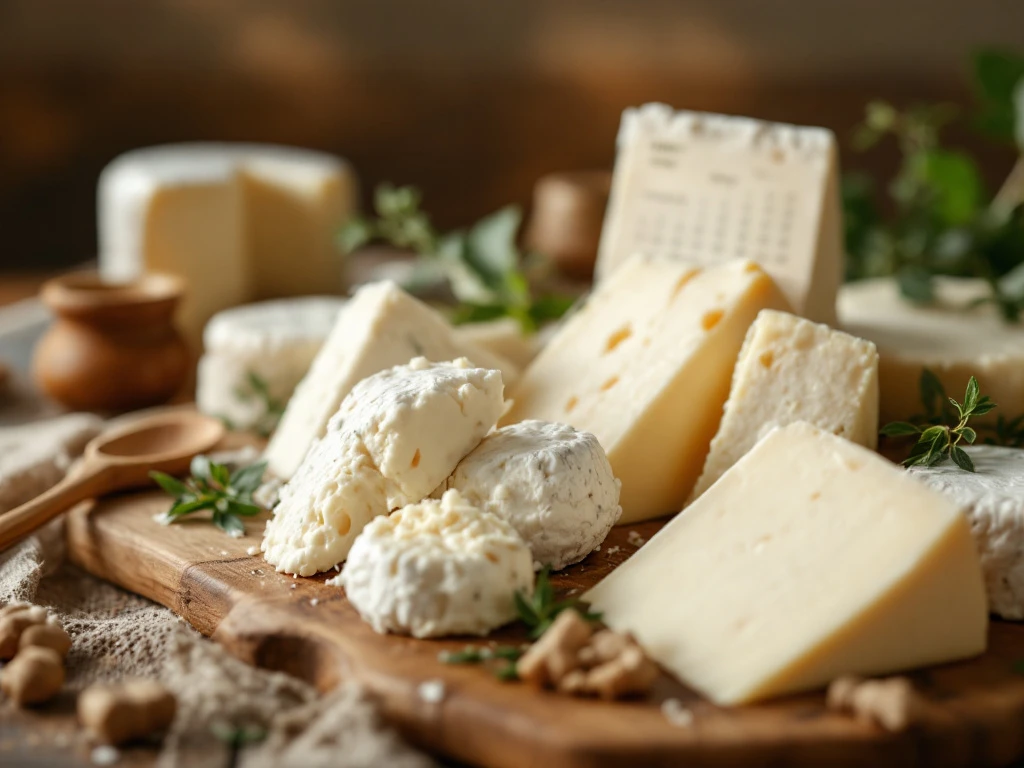
Managing goat cheese expiration dates effectively requires understanding date labels, proper storage techniques, and systematic inventory control. Fresh goat cheese typically lasts 1-2 weeks after opening, whilst aged varieties can remain good for several weeks to months when stored correctly between 35-45°F. Implementing proper date management systems helps foodservice operations and retailers minimise waste whilst ensuring customers receive the highest quality products.
What do expiration dates on goat cheese actually mean?
Expiration dates on goat cheese serve different purposes depending on the label type. Sell-by dates indicate when retailers should remove products from shelves, whilst use-by dates mark the last day for consuming fresh goat cheese at peak quality. Best-before dates suggest when the cheese maintains optimal flavour and texture, though many goat cheeses remain safe beyond this date when properly stored.
Fresh goat cheese products require stricter date adherence due to their higher moisture content and delicate nature. These soft cheeses typically carry use-by dates that should be followed closely for both quality and safety reasons. Aged goat cheese varieties, including ripened rolls and harder cheeses, often display best-before dates that allow more flexibility in usage timing.
Regulatory requirements for date labelling vary between markets, but foodservice operations and retailers must understand their local standards. In professional settings, these dates guide purchasing decisions, rotation practices, and menu planning to ensure consistent quality whilst meeting food safety regulations.
How long does goat cheese really last after opening?
Fresh goat cheese typically maintains quality for 1-2 weeks after opening when stored properly in refrigerated conditions. Spreadable varieties and fresh cheese crumbles follow similar timelines, requiring prompt use to enjoy their delicate, creamy textures. Semi-soft goat cheeses, including ripened varieties, generally last 2-3 weeks once packaging is breached, whilst harder aged goat cheeses can remain good for several weeks to months.
Several factors influence post-opening shelf life significantly. Temperature fluctuations accelerate spoilage, making consistent cold storage essential. Handling practices also matter – using clean utensils prevents cross-contamination that shortens useable life. The original packaging quality and whether products are rewrapped properly after each use directly impacts how long goat cheese maintains its intended flavour profile.
Foodservice operations often find that portioned products like goat cheese pucks or pearls offer advantages for managing opened product shelf life. These individually sized options reduce exposure to air and contamination, helping maintain quality throughout service periods whilst simplifying inventory management.
What’s the best way to store goat cheese for maximum freshness?
Temperature control forms the foundation of proper goat cheese storage, with optimal conditions between 35-45°F (2-7°C). Consistent refrigeration prevents quality degradation and extends useable life significantly. Fresh goat cheese requires the coldest part of this range, whilst aged varieties tolerate slightly warmer temperatures without compromising quality.
Proper wrapping techniques protect goat cheese from moisture loss and unwanted flavours. Cheese paper or parchment allows the product to breathe whilst maintaining appropriate humidity levels. Plastic wrap, though convenient, can trap moisture and accelerate spoilage in some goat cheese types. For opened products, rewrapping in fresh materials after each use prevents contamination and maintains optimal texture.
Commercial storage solutions require additional considerations for bulk quantities. Separating goat cheese from strong-odoured foods prevents flavour transfer, whilst maintaining proper air circulation ensures even temperature distribution. Foodservice operations benefit from dedicated cheese storage areas with controlled humidity levels, particularly when managing multiple varieties with different storage requirements.
How can you tell if goat cheese has gone bad?
Visual inspection provides the first indicators of goat cheese spoilage. Normal white or cream colours turning yellow or developing unusual dark spots signal deterioration. Whilst some aged goat cheeses naturally develop surface mould, fresh varieties showing any mould growth should be discarded. Excessive liquid separation or dried, cracked surfaces also indicate products past their prime.
Texture changes offer clear spoilage signals that professionals recognise immediately. Fresh goat cheese becoming slimy or developing grainy consistency indicates bacterial growth. Conversely, products becoming excessively dry or hard when they should remain creamy suggest improper storage or age. Spreadable varieties losing their smooth consistency or developing lumps require careful evaluation before use.
Sensory evaluation remains crucial for determining goat cheese quality. Off-flavours ranging from bitter to soapy indicate spoilage, whilst ammonia-like odours signal advanced deterioration. Professional kitchens train staff to recognise these warning signs, establishing clear protocols for product evaluation. When doubt exists about product safety, disposal remains the prudent choice to protect customer health and maintain quality standards.
What inventory systems work best for managing goat cheese dates?
FIFO (First In, First Out) rotation systems provide the foundation for effective goat cheese date management. This approach ensures older products move before newer arrivals, minimising waste whilst maintaining freshness. Clear date labelling upon receipt, combined with organised storage that places newer products behind older stock, creates a natural flow that staff can follow easily.
Digital inventory management tools offer enhanced tracking capabilities for larger operations. These systems monitor expiration dates automatically, generating alerts when products approach critical dates. Integration with ordering systems helps maintain optimal stock levels, preventing over-ordering that leads to waste. Barcode scanning or RFID technology streamlines the tracking process whilst reducing human error in date recording.
Staff training forms an essential component of any date management system. Team members must understand proper labelling procedures, recognise date formats, and follow rotation protocols consistently. Regular training sessions covering goat cheese characteristics, storage requirements, and quality indicators ensure everyone contributes to maintaining product freshness. Small specialty shops benefit from simple visual systems like colour-coded labels, whilst large foodservice operations may require comprehensive digital solutions with multiple checkpoint verifications.
Successfully managing goat cheese expiration dates combines understanding product characteristics with implementing appropriate storage and tracking systems. Whether operating a small cheese shop or large foodservice facility, prioritising freshness through proper date management ensures customers enjoy goat cheese at its finest quality. For businesses seeking reliable goat cheese suppliers who understand these quality requirements, exploring partnerships with experienced producers can provide consistent access to fresh, properly dated products that meet professional standards.