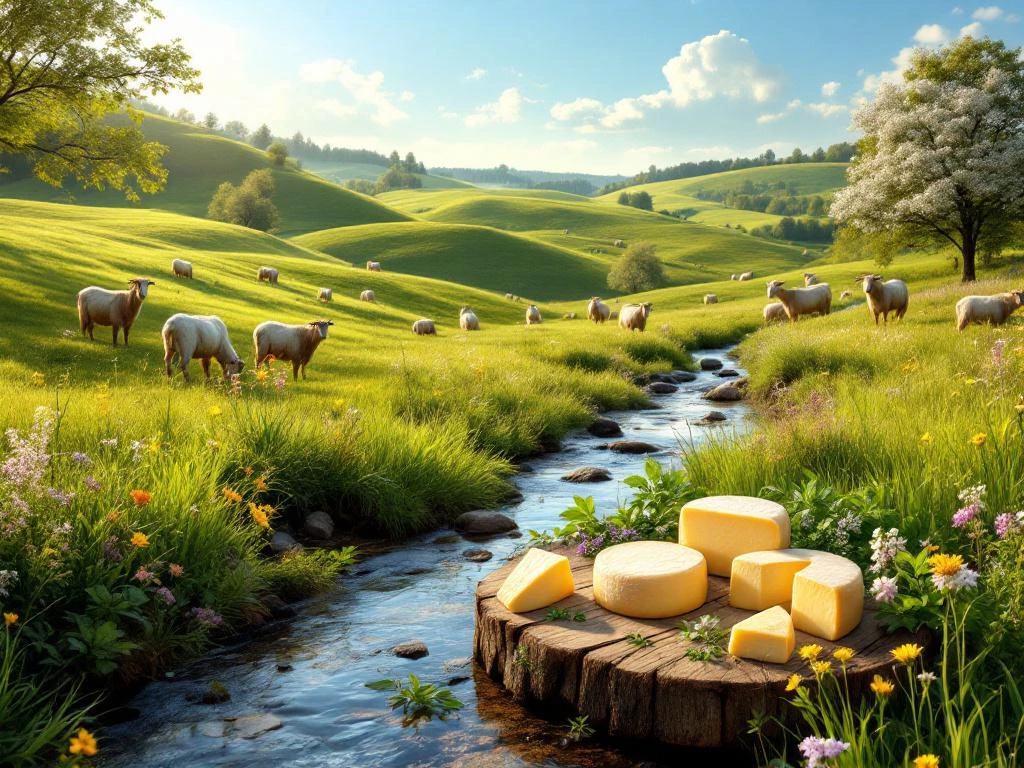
Goat cheese production offers significant environmental advantages compared to conventional dairy farming, making it an increasingly attractive option for sustainability-conscious B2B buyers. The production process requires less water, generates lower carbon emissions, and utilises land more efficiently than traditional cow dairy operations. These environmental benefits stem from goats’ natural characteristics, including their efficient feed conversion, adaptability to marginal lands, and lower resource requirements, positioning goat cheese as a premium sustainable dairy choice for retail, foodservice, and industrial clients seeking to meet corporate sustainability goals.
Understanding the environmental impact of goat cheese production
The dairy industry faces increasing scrutiny regarding its environmental footprint, and goat cheese production emerges as a more sustainable alternative to conventional dairy products. Modern cheese production requires careful consideration of multiple environmental factors, from carbon emissions and water usage to land management practices. For B2B buyers in the cheese industry, understanding these environmental advantages becomes crucial when selecting suppliers who align with corporate sustainability commitments.
The environmental benefits of goat cheese production extend across the entire supply chain, from farm to finished product. Goats naturally require fewer resources than larger dairy animals, consuming less feed and water whilst producing high-quality milk suitable for premium cheese production. This efficiency translates into measurable environmental advantages that resonate with environmentally conscious consumers and businesses alike.
As sustainability becomes a key differentiator in the competitive cheese market, suppliers who can demonstrate lower environmental impact gain significant advantages. The growing demand for eco-friendly cheese production methods drives innovation in goat farming practices, creating opportunities for premium positioning and market differentiation.
How does goat farming reduce carbon emissions compared to other dairy production?
Goat farming generates substantially lower carbon emissions than conventional dairy operations, primarily due to goats’ efficient digestive systems and smaller physical size. Unlike cattle, goats produce significantly less methane during digestion, contributing to a reduced goat cheese carbon footprint. Their efficient feed conversion means less agricultural land is needed to produce the same amount of dairy output, further reducing the overall environmental impact.
The natural browsing habits of goats contribute to biodiversity preservation rather than degradation. Goats prefer to browse on shrubs, weeds, and woody plants that other livestock typically avoid, helping maintain diverse plant ecosystems whilst producing milk. This browsing behaviour reduces the need for intensive pasture management and chemical interventions, creating a more sustainable farming system.
Transportation efficiency also plays a crucial role in reducing emissions. Goats’ smaller size allows for more efficient transport arrangements, whilst their higher milk yield relative to body size means fewer animals are needed to produce equivalent cheese quantities. Modern goat cheese facilities often implement additional carbon reduction strategies, including renewable energy adoption and waste recycling programmes, further minimising environmental impact.
What makes goat cheese production more water-efficient?
Water efficiency in goat cheese production stems from multiple factors, beginning with goats’ remarkable adaptation to arid climates. Goats require approximately 30% less water than dairy cows whilst maintaining healthy milk production levels. This natural efficiency, combined with their ability to thrive in regions with limited water resources, makes sustainable goat farming particularly viable in water-scarce areas.
Modern goat cheese facilities implement sophisticated water recycling systems that further enhance efficiency. Water used in cheese production undergoes treatment and recycling for secondary uses such as equipment cleaning and facility maintenance. These closed-loop systems significantly reduce overall water consumption compared to traditional dairy operations.
The cleaning processes in goat cheese facilities typically require less water due to the smaller scale of equipment and the properties of goat milk, which contains less fat than cow milk. This characteristic results in easier cleaning procedures and reduced water usage throughout the production process, contributing to the overall environmental benefits of goat cheese production.
Why is land management better with goat farming for cheese production?
Goats’ natural browsing behaviour creates superior land management outcomes compared to conventional dairy farming. Rather than grazing uniformly like cattle, goats selectively browse various plants at different heights, preventing overgrazing and promoting healthy plant regeneration. This behaviour maintains soil structure and prevents erosion, essential factors in goat farming sustainability.
The ability of goats to utilise marginal lands unsuitable for other agricultural purposes represents a significant environmental advantage. Steep hillsides, rocky terrain, and areas with poor soil quality can support goat farming whilst remaining unsuitable for crop production or cattle grazing. This efficient land use prevents the conversion of natural habitats into intensive agricultural areas.
Rotational grazing practices commonly employed in goat farming enhance soil health through natural fertilisation and reduced compaction. The lighter weight of goats compared to cattle means less soil damage, whilst their manure provides valuable nutrients that improve soil fertility. These regenerative practices contribute to carbon sequestration in the soil, further reducing the environmental impact of goat dairy operations.
Key takeaways: Environmental advantages of choosing goat cheese
The environmental benefits of goat cheese production create compelling advantages for B2B buyers seeking sustainable dairy solutions. Reduced carbon emissions through efficient feed conversion and lower methane production, combined with superior water efficiency and sustainable land management practices, position goat cheese as an environmentally responsible choice. These factors directly support corporate sustainability goals whilst meeting growing consumer demand for eco-friendly products.
For businesses in retail, foodservice, and industrial sectors, partnering with goat cheese producers demonstrates commitment to environmental stewardship. The measurable reductions in water usage, carbon emissions, and land impact provide concrete evidence for sustainability reporting and marketing initiatives. As environmental regulations tighten and consumer awareness grows, the environmental impact of goat dairy becomes an increasingly important consideration in procurement decisions.
The premium positioning opportunities created by these environmental advantages extend beyond simple sustainability claims. Goat cheese’s lower environmental footprint, combined with its distinctive flavour profiles and versatility in applications from fresh spreads to ripened specialities, offers unique value propositions for environmentally conscious market segments. By choosing goat cheese suppliers who prioritise sustainable practices, B2B buyers can differentiate their offerings whilst contributing to a more sustainable food system.