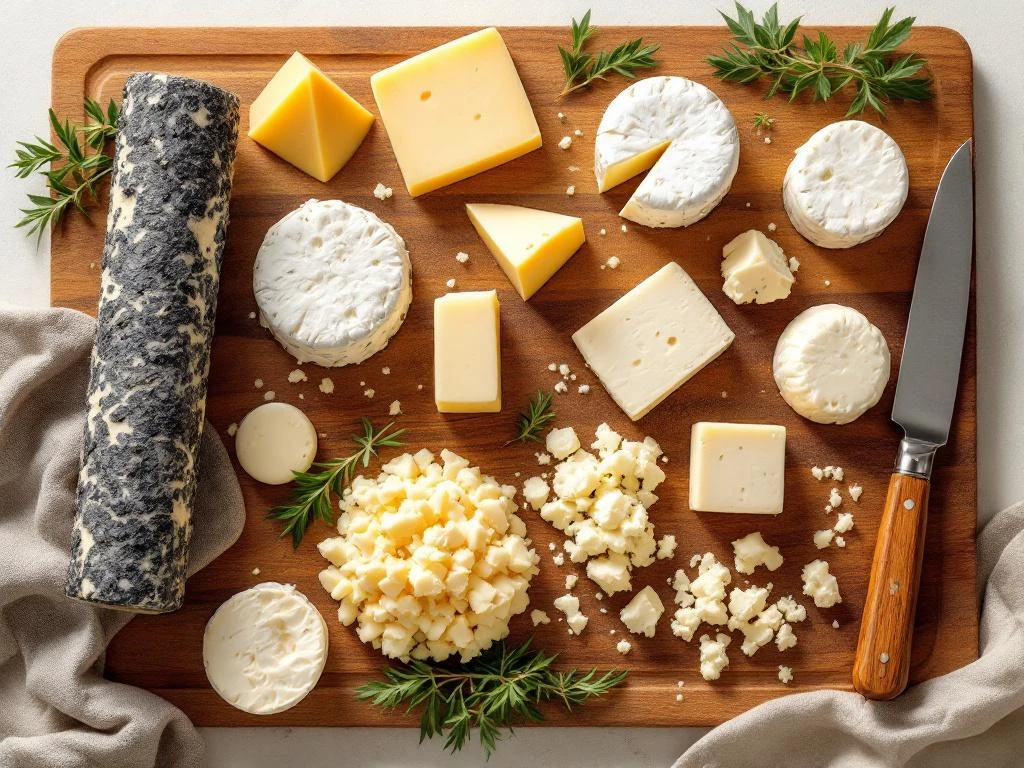
The most popular goat cheese shapes and formats include fresh logs, rounds, wheels, crumbles, and spreads. These versatile formats serve distinct purposes across B2B segments, with logs (150g-2kg) dominating retail and foodservice, crumbles offering convenience for industrial applications, and specialty shapes like pyramids and pearls providing differentiation opportunities. Format selection directly impacts operational efficiency, shelf life, and customer appeal, making it crucial for businesses to match cheese shapes with their specific market requirements.
Understanding goat cheese shapes and formats in the B2B market
Goat cheese formats have evolved to meet the diverse needs of modern B2B operations, from traditional cheese shops to large-scale food manufacturers. The selection of appropriate cheese packaging formats determines not only product presentation but also operational efficiency, portion control, and waste reduction across the supply chain.
For retail environments, smaller formats like 150-300g logs and individual medallions enable attractive display options whilst maintaining freshness. Foodservice operations benefit from bulk formats and pre-portioned options that streamline kitchen workflows. Industrial processors require standardised blocks and crumbles that integrate seamlessly with automated production lines.
The importance of format selection extends beyond mere convenience. Each shape affects ripening characteristics, flavour development, and shelf life differently. Understanding these nuances helps businesses optimise their product offerings and meet customer expectations whilst maintaining profitability.
What are the traditional goat cheese shapes used in retail?
Traditional retail formats focus on consumer-friendly portions that balance shelf appeal with practical storage requirements. Fresh goat cheese logs, typically ranging from 150g to 300g, remain the cornerstone of retail offerings, providing an ideal size for household consumption whilst maintaining product integrity throughout shelf life.
Classic shapes include:
- Cylindrical logs wrapped in protective packaging
- Small rounds and mini-bries (150g portions)
- Pyramid-shaped cheeses for premium positioning
- Pre-sliced medallions (7g-20g) for convenience
- Tubs of crumbles (100g) for versatile usage
Packaging considerations play a crucial role in retail success. Vacuum-sealed logs extend shelf life whilst maintaining the cheese’s creamy texture. Clear packaging windows allow customers to assess product quality, whilst resealable tubs for crumbles and spreads enhance convenience. Market vendors particularly value formats that withstand temperature fluctuations and handling during transport.
Which goat cheese formats work best for foodservice operations?
Foodservice establishments require B2B cheese formats that prioritise efficiency and consistency. Bulk logs weighing 1-2kg provide excellent value whilst allowing chefs flexibility in portioning. Pre-portioned medallions eliminate preparation time and ensure consistent plating, particularly valuable during peak service periods.
Professional kitchens increasingly favour ready-to-use formats such as 500g bags of crumbles and 800g tubs of spreadable goat cheese. These products reduce labour costs and minimise waste whilst maintaining quality standards. The spreadable varieties, with their smoother consistency, work exceptionally well for sauces, soups, and as replacements for crème fraîche.
Catering companies benefit from portion-controlled formats like 42x7g or 20x20g puck configurations, which simplify inventory management and cost calculation. These standardised portions ensure consistent presentation across large-scale events whilst reducing preparation time significantly.
How do innovative goat cheese shapes enhance product differentiation?
Creative cheese presentation styles transform ordinary goat cheese into premium offerings that command higher margins. Goat cheese pearls marinated in herbs and spices create visual impact on charcuterie boards whilst offering convenience as ready-to-serve appetisers. The flavoured oils double as salad dressings, adding value beyond the cheese itself.
Specialty coatings elevate traditional formats into artisanal products. Options include:
- Ash-dusted pyramids for dramatic presentation
- Herb-crusted logs featuring fenugreek or forest mushrooms
- Edible flower decorations for seasonal offerings
- Truffle-infused varieties for luxury markets
- Honey-sweetened options bridging savoury and sweet applications
These innovative formats particularly appeal to specialty retailers and upscale restaurants seeking unique offerings that justify premium pricing. The visual appeal combined with flavour innovation creates memorable experiences that encourage repeat purchases.
What packaging formats meet industrial processing needs?
Industrial processors demand goat cheese varieties optimised for high-volume production and extended shelf life. Bulk formats including 5kg bags of crumbles and 10kg tubs of spreadable cheese integrate efficiently with automated systems whilst minimising packaging waste.
Standardised blocks weighing 2.6kg facilitate consistent portioning in meal production facilities. Vacuum-packed portions maintain quality during extended storage periods, crucial for manufacturers managing complex production schedules. The availability of IQF (individually quick frozen) crumbles revolutionises inventory management, allowing processors to use exact quantities without thawing entire batches.
| Format Type | Package Size | Primary Application | Key Benefit |
|---|---|---|---|
| Bulk Crumbles | 5kg bags | Pizza toppings, salads | Ready-to-use, no preparation |
| Spreadable Tubs | 10kg containers | Sauces, fillings | Smooth consistency, easy dosing |
| Vacuum Blocks | 2.6kg units | Slicing, cubing | Extended shelf life |
| Portion Pucks | 108x7g trays | Ready meals | Pre-portioned, consistent weight |
These industrial formats enable meal producers and large-scale kitchens to maintain consistent quality whilst optimising production efficiency. The standardisation reduces training requirements and minimises product variance across production runs.
Key takeaways for selecting the right goat cheese format
Successful format selection begins with understanding your operational requirements and customer preferences. Retail operations should prioritise attractive packaging and appropriate portion sizes that encourage trial whilst maintaining profitability. Foodservice businesses benefit most from formats that reduce preparation time and ensure portion consistency.
Consider these selection criteria:
- Storage capacity and turnover rates
- Staff skill levels and available preparation time
- Customer price sensitivity and quality expectations
- Equipment compatibility for industrial applications
- Shelf life requirements throughout your distribution chain
Partnering with flexible producers who accommodate various format requirements proves invaluable for businesses seeking competitive advantage. The ability to develop custom packaging solutions and private label opportunities allows companies to differentiate their offerings whilst maintaining operational efficiency. Whether you require traditional logs for artisanal presentation or innovative formats for menu differentiation, selecting the right goat cheese format directly impacts your business success.