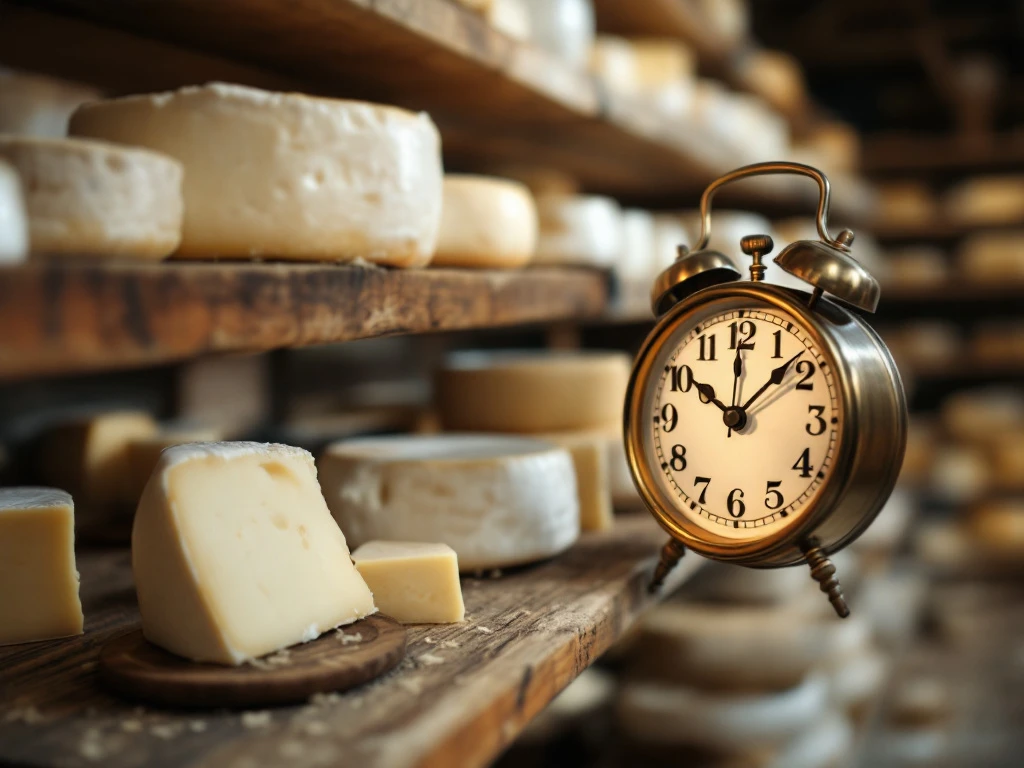
Custom goat cheese lead times typically range from 1-2 weeks for fresh varieties to several months for aged specialties, depending on production complexity and order specifications. B2B buyers working with goat cheese manufacturers need to understand these timelines to plan inventory effectively and meet customer demand. The exact lead time varies based on factors including cheese type, order volume, customisation requirements, and seasonal milk availability.
What factors determine lead times for custom goat cheese production?
Lead times for custom goat cheese production depend primarily on milk availability, ageing requirements, and production complexity. Fresh goat cheese requires minimal processing time, whilst aged varieties need specific maturation periods that cannot be rushed. Order volume, seasonal variations in milk supply, and certification requirements all impact how quickly orders can be fulfilled.
Milk availability forms the foundation of production scheduling. Goat milk production fluctuates seasonally, with peak availability during spring and summer months. This natural cycle affects how quickly manufacturers can respond to large or unexpected orders. During low-production months, lead times may extend as processors manage limited milk supplies across their product range.
The complexity of custom specifications significantly influences production timelines. Standard recipes move through production quickly, whilst modified formulations require testing and adjustment phases. New product development involves multiple trial batches, sensory evaluation, and stability testing before full-scale production begins.
Production capacity and existing commitments also shape lead times. Manufacturers balance multiple orders across their facilities, allocating production slots based on order size, customer relationships, and delivery deadlines. Understanding these constraints helps buyers plan orders strategically and build realistic expectations for delivery schedules.
How long does it typically take to fulfill custom goat cheese orders?
Standard lead times for goat cheese vary by category: fresh varieties require 1-2 weeks, soft-ripened types need 3-6 weeks, and aged specialties take 2-6 months. These timeframes reflect the fundamental differences in production processes and maturation requirements. Stock products ship fastest, whilst completely new developments require additional time for recipe creation and testing.
Fresh goat cheese products, including spreads and crumbles, move through production rapidly. The manufacturing process involves pasteurisation, culturing, draining, and packaging – steps that complete within days. Adding a week for scheduling and logistics, most fresh cheese orders ship within 7-14 days of confirmation.
Soft-ripened varieties like goat brie require careful attention during the ripening phase. After initial production, these cheeses mature in controlled environments where specific moulds develop their characteristic rinds and flavours. This biological process cannot be accelerated without compromising quality, making the 3-6 week timeline essential for proper development.
Rush orders remain possible for certain products, particularly fresh varieties and items already in inventory. However, expedited processing often involves higher costs and minimum order quantities. Buyers needing faster delivery should discuss available stock options and understand any quality or variety limitations that apply to accelerated schedules.
What’s the difference between standard and private label goat cheese lead times?
Private label goat cheese typically requires 4-8 weeks longer than standard products due to development, testing, and approval phases. Standard products ship from existing inventory or established production runs, whilst private label items need customised recipes, unique packaging, and often regulatory clearances. These additional steps add complexity but create differentiated products for specific market needs.
Recipe development forms the first extended phase of private label projects. Creating unique flavour profiles, textures, or formats requires multiple test batches. Each iteration undergoes sensory evaluation, shelf-life testing, and cost analysis. This development cycle typically spans 2-4 weeks for modifications to existing recipes or 6-8 weeks for entirely new concepts.
Packaging design and procurement add another layer of timeline complexity. Custom labels require artwork development, regulatory review, and printing setup. Minimum order quantities for packaging materials often exceed initial product orders, requiring careful planning. These packaging elements typically add 3-4 weeks to overall project timelines.
Regulatory approvals vary by market but consistently extend lead times. Label claims, nutritional analysis, and export documentation all require verification before production begins. Working with experienced manufacturers who understand these requirements helps streamline the approval process and avoid unexpected delays.
How can B2B buyers optimize their goat cheese ordering schedule?
Optimising goat cheese orders requires understanding seasonal patterns, establishing appropriate safety stock levels, and building strong supplier relationships. Successful buyers forecast demand 8-12 weeks ahead, allowing manufacturers to plan production efficiently. This advance planning reduces rush charges, ensures product availability, and often secures better pricing through scheduled production slots.
Seasonal demand patterns significantly impact ordering strategies. Many goat cheese varieties see increased consumption during spring and holiday seasons. Planning orders to arrive before these peak periods prevents stockouts and captures maximum sales opportunities. Consider historical sales data and market trends when developing annual ordering calendars.
Safety stock calculations should account for lead time variability and demand fluctuations. For fresh products with 1-2 week lead times, maintaining 2-3 weeks of safety stock provides adequate coverage. Aged varieties with longer lead times require proportionally larger safety stocks to prevent disruptions. Regular order patterns help manufacturers allocate production capacity more effectively.
Building collaborative relationships with suppliers creates mutual benefits. Share demand forecasts, discuss new product ideas early, and communicate changes promptly. Suppliers who understand your business needs can offer solutions like flexible delivery schedules, consignment inventory, or priority production slots during busy periods. These partnerships prove invaluable when market conditions change unexpectedly.
What happens if you need goat cheese faster than standard lead times?
Expedited goat cheese orders often involve selecting from available stock, accepting partial shipments, or paying premium charges for priority production. Manufacturers maintain limited quantities of popular items for urgent requests, though variety may be restricted. Understanding these options and their associated costs helps buyers make informed decisions during time-sensitive situations.
Stock product alternatives provide the fastest solution for urgent needs. Most manufacturers maintain inventory of core products like natural fresh goat cheese rolls, standard crumbles, and popular flavoured varieties. While specific customisations may not be available, these products ship within 24-48 hours and meet most immediate requirements.
Priority production scheduling offers another expedited option, particularly for fresh products. Manufacturers can sometimes adjust production schedules to accommodate urgent orders, though this typically involves minimum quantities and rush charges of 15-25% above standard pricing. The feasibility depends on current capacity utilisation and existing commitments.
Emergency procurement strategies should include multiple contingency options. Develop relationships with several suppliers to increase availability options. Consider alternative products that meet similar culinary needs. Some buyers maintain emergency stock of shelf-stable alternatives or arrange standby agreements with suppliers for guaranteed rapid response when needed. Planning these contingencies before emergencies arise ensures smooth operations even during supply disruptions.
Understanding custom goat cheese lead times enables better procurement planning and stronger supplier relationships. From fresh varieties shipping within weeks to aged specialties requiring months of maturation, each product category has distinct timeline requirements. By forecasting needs, building safety stocks, and developing contingency plans, B2B buyers can ensure consistent supply whilst managing costs effectively. Whether you need standard products or custom private label solutions, working closely with experienced manufacturers helps optimise ordering schedules and meet your specific business requirements.