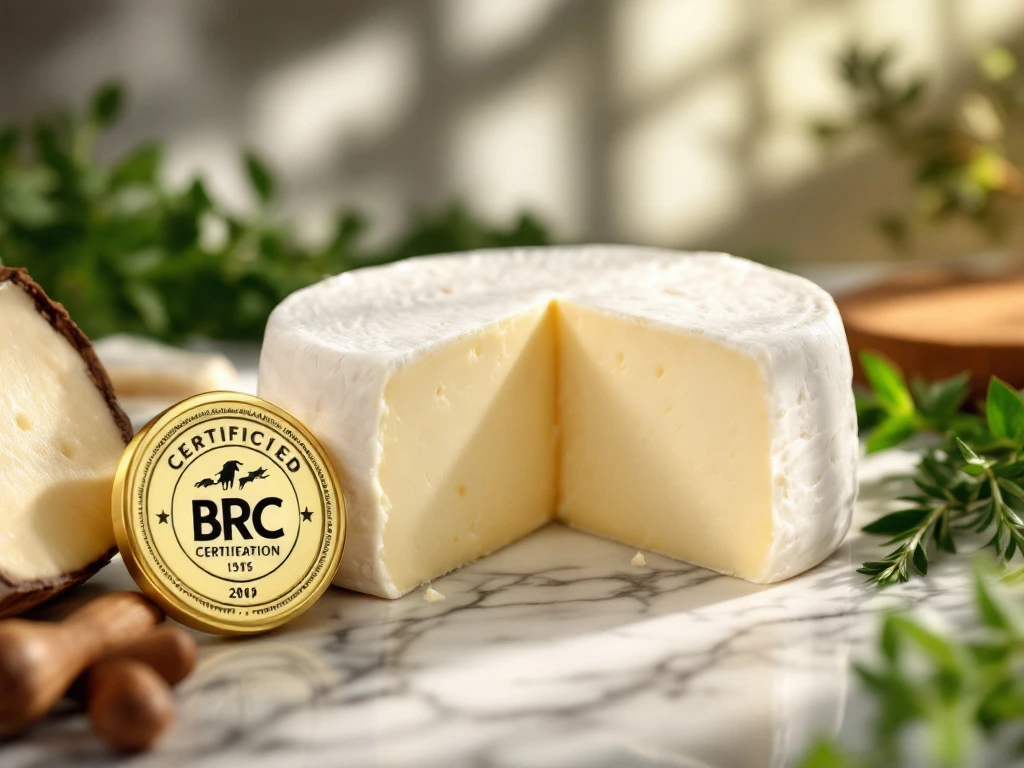
BRC certification provides goat cheese buyers with comprehensive food safety assurance through rigorous third-party auditing and verification processes. This globally recognised standard ensures suppliers maintain consistent quality control, documented traceability, and compliance with international food safety regulations. For buyers sourcing goat cheese, BRC certification eliminates many operational risks whilst simplifying vendor management and opening access to premium retail channels.
What is BRC certification and why does it matter for goat cheese?
BRC (British Retail Consortium) certification represents a comprehensive food safety management system specifically designed for the food manufacturing industry. For goat cheese production, this standard encompasses critical control points from milk reception through to final product distribution, ensuring every stage meets stringent safety and quality requirements.
The certification process involves detailed evaluation of production facilities, hygiene protocols, and quality management systems. Dairy operations must demonstrate effective controls for temperature management, allergen handling, and microbiological safety – all particularly crucial for fresh and soft goat cheese products. The standard requires documented procedures for every aspect of production, from raw material sourcing to finished product testing.
BRC certification matters significantly for goat cheese because these products often have shorter shelf lives and require careful handling. The standard ensures producers maintain optimal storage conditions, implement effective pest control, and follow strict personal hygiene protocols. This systematic approach reduces contamination risks and ensures product integrity throughout the supply chain.
How does BRC certification protect goat cheese buyers from risks?
BRC standards provide multiple layers of protection against food safety risks through mandatory contamination prevention protocols and comprehensive hazard analysis. Certified facilities must implement physical, chemical, and microbiological controls that prevent foreign body contamination, cross-contamination between products, and pathogen growth in sensitive dairy environments.
The certification requires robust allergen management programmes that prevent cross-contact between products containing different allergens. For goat cheese buyers, this means confidence in accurate labelling and reduced risk of costly recalls due to undeclared allergens. Suppliers must maintain detailed cleaning schedules, segregation procedures, and verification testing to ensure allergen control effectiveness.
Product recall procedures form another critical protection layer. BRC certified suppliers must demonstrate they can trace products through the entire supply chain within four hours. This rapid traceability enables swift action if quality issues arise, minimising buyer exposure to liability and protecting brand reputation. Regular mock recalls test these systems, ensuring they function effectively when needed.
Supply chain transparency requirements mean buyers receive comprehensive documentation about product origins, processing conditions, and quality test results. This visibility helps buyers make informed decisions and provides evidence for their own due diligence requirements.
What quality guarantees come with BRC certified goat cheese?
BRC certification mandates continuous quality monitoring through systematic testing programmes and documented quality control procedures. Certified producers must conduct regular microbiological testing, sensory evaluation, and shelf life validation to ensure products consistently meet specifications. These controls translate directly into reliable product quality for buyers.
Staff training requirements ensure all personnel understand their role in maintaining product quality. Employees handling goat cheese must receive documented training in hygiene practices, allergen awareness, and quality standards. Annual refresher training and competency assessments maintain high standards over time. This investment in human resources reduces quality variations caused by procedural errors.
The standard requires calibrated equipment and validated processes that deliver consistent results. Temperature monitoring systems, metal detectors, and weighing equipment must undergo regular calibration with documented evidence. Process parameters like pasteurisation temperatures and ripening conditions must be validated and continuously monitored. These technical controls ensure each batch meets the same high standards.
Regular third-party audits verify compliance with all quality measures. Unannounced audits test whether standards are maintained consistently, not just during scheduled inspections. This independent verification provides buyers with confidence that quality guarantees reflect actual daily practices.
How do BRC standards simplify supplier management for buyers?
BRC certification significantly reduces the administrative burden on buyers by providing a universally recognised quality benchmark. Instead of conducting individual supplier audits, buyers can rely on comprehensive BRC audit reports that cover all critical food safety and quality aspects. This standardisation saves time and resources whilst ensuring thorough supplier evaluation.
The certification serves as a common language across international markets, eliminating confusion about quality expectations. Whether sourcing from local producers or international suppliers, BRC standards provide consistent criteria for evaluation. This uniformity simplifies comparison between suppliers and streamlines decision-making processes.
Documentation requirements under BRC create organised, accessible records that facilitate efficient supplier management. Buyers receive standardised certificates, audit reports, and corrective action summaries that integrate easily into vendor management systems. This systematic approach to documentation reduces administrative complexity and improves oversight capabilities.
For buyers managing multiple suppliers, BRC certification enables risk-based supplier categorisation. Certified suppliers typically require less frequent auditing and monitoring, allowing buyers to focus resources on higher-risk vendors. This efficiency gain becomes particularly valuable as supplier portfolios grow.
What business advantages do buyers gain from BRC certified suppliers?
BRC certification opens access to premium retail channels and international markets that require third-party food safety verification. Major retailers increasingly mandate BRC certification for private label suppliers, making it essential for market entry. For goat cheese buyers serving these channels, partnering with certified suppliers ensures compliance with customer requirements.
Insurance benefits often accompany BRC certification through reduced premiums and improved coverage terms. Insurers recognise the lower risk profile of certified operations, translating into cost savings for both suppliers and buyers. Some insurers offer preferential terms specifically for businesses working exclusively with certified suppliers.
Customer confidence increases significantly when buyers can demonstrate their supply chain meets internationally recognised standards. BRC certification provides credible third-party validation that resonates with quality-conscious consumers and business customers. This confidence translates into stronger market positioning and potential premium pricing opportunities.
The continuous improvement philosophy embedded in BRC standards drives ongoing enhancements in product quality and operational efficiency. Certified suppliers must demonstrate year-on-year improvements through corrective actions and preventive measures. Buyers benefit from these improvements through better products, fewer complaints, and enhanced supply chain reliability.
Working with BRC certified goat cheese suppliers provides comprehensive benefits extending far beyond basic food safety compliance. The rigorous standards protect buyers from risks whilst delivering operational efficiencies and market advantages. As food safety requirements continue evolving globally, BRC certification offers a robust framework that adapts to changing regulations and customer expectations. For buyers seeking reliable, high-quality goat cheese suppliers, BRC certification represents a valuable selection criterion that supports both immediate needs and long-term business success.