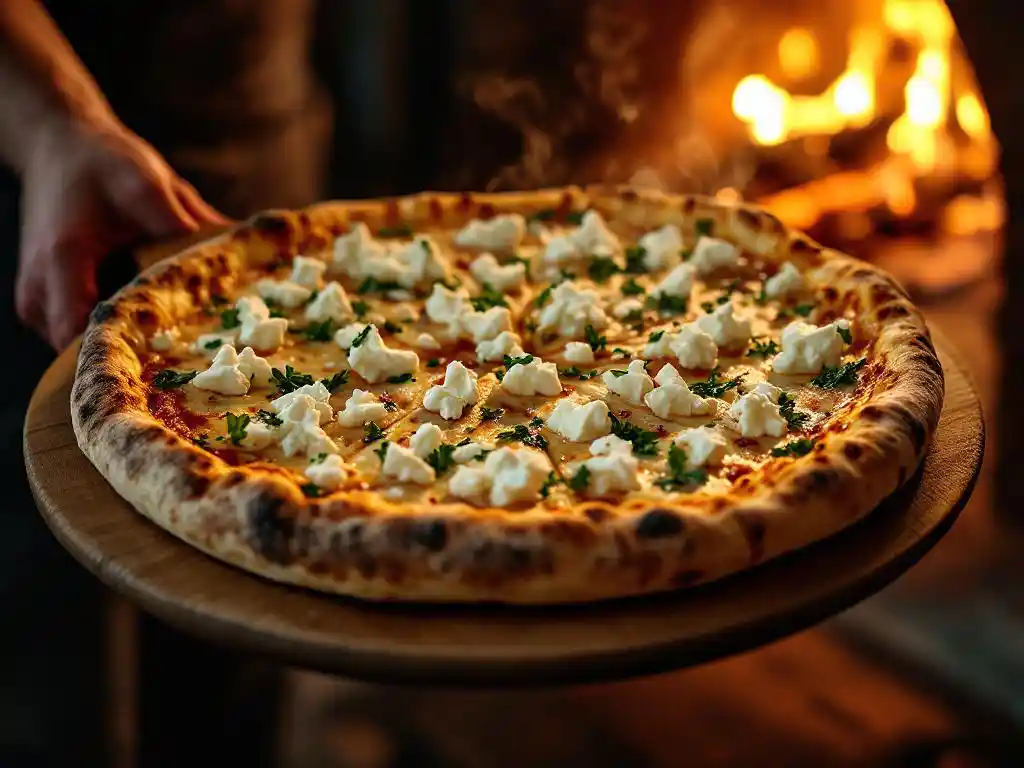
Goat cheese transforms ordinary pizzas into premium culinary experiences through its distinctive tangy flavour, creamy texture, and sophisticated appeal. Pizza manufacturers seeking differentiation in competitive markets find that goat cheese offers unique melting properties and flavour profiles that command higher prices while meeting growing consumer demand for artisanal ingredients. This comprehensive guide explores how goat cheese can elevate pizza offerings from standard to spectacular.
What makes goat cheese a premium pizza topping choice?
Goat cheese delivers a tangy, creamy flavour profile that instantly elevates pizza from everyday fare to gourmet status. Its distinctive taste pairs exceptionally well with Mediterranean vegetables, fresh herbs, and quality olive oils, creating sophisticated flavour combinations that appeal to discerning consumers. The cheese’s bright, slightly acidic notes cut through rich toppings, while its creamy texture provides a luxurious mouthfeel.
Consumer trends strongly favour artisanal and speciality cheeses, with goat cheese positioned perfectly to meet this demand. Health-conscious diners appreciate goat cheese for its easier digestibility compared with cow’s milk cheeses, while food enthusiasts value its authentic, craft positioning. Restaurant operators report that customers willingly pay premium prices for pizzas featuring goat cheese, recognising it as a marker of quality and sophistication.
The visual appeal of goat cheese also contributes to its premium positioning. Its bright white colour creates attractive contrast against tomato sauces and colourful vegetables, enhancing Instagram-worthy presentations that drive social media engagement. This aesthetic advantage helps pizzerias build brand reputation and attract younger demographics who value both taste and visual appeal in their dining choices.
How does goat cheese perform differently from traditional pizza cheeses?
Goat cheese exhibits unique melting characteristics that differ significantly from mozzarella and other traditional pizza cheeses. Rather than forming long, stretchy strands, goat cheese softens and becomes creamy when heated, maintaining distinct pockets of flavour throughout the pizza. This behaviour creates textural variety and prevents the uniform cheese coverage typical of standard pizzas.
The moisture content in goat cheese typically ranges higher than in aged cheeses but lower than in fresh mozzarella, resulting in controlled melting without excessive oil release. During baking, goat cheese develops subtle browning on the edges while maintaining its creamy centre, adding visual appeal and flavour complexity. The protein structure in goat cheese creates less stringiness, making pizzas easier to cut and portion cleanly.
Temperature sensitivity represents another key difference. Goat cheese performs best when added midway through baking or as a finishing cheese, preventing over-browning while ensuring proper warming. This application method preserves the cheese’s delicate flavour notes and creamy texture. Pizza manufacturers often blend goat cheese with mozzarella at ratios of 30:70 to balance traditional stretch with sophisticated flavour enhancement.
Which pizza styles benefit most from goat cheese additions?
Mediterranean-style pizzas showcase goat cheese exceptionally well, particularly those featuring roasted red peppers, caramelised onions, olives, and fresh basil. The cheese’s tangy profile complements these bold flavours while providing creamy contrast to vegetable textures. White-sauce pizzas benefit tremendously from goat cheese additions, creating rich, indulgent bases that support premium toppings such as prosciutto or truffle oil.
Vegetable-forward pizzas gain sophistication through the inclusion of goat cheese. Combinations featuring spinach, sun-dried tomatoes, artichoke hearts, and roasted garlic create flavour profiles that appeal to vegetarian diners seeking gourmet options. The cheese’s ability to bind with vegetables during baking ensures that toppings remain secure while adding moisture and richness to ingredients that might otherwise be dry.
Seasonal and limited-edition pizzas provide excellent opportunities for goat cheese innovation. Autumn pizzas featuring butternut squash, caramelised pears, and walnuts paired with goat cheese command premium prices. Spring combinations with asparagus, pea shoots, and lemon zest showcase the cheese’s versatility. These signature creations enable manufacturers to differentiate their offerings and justify higher price points through unique flavour experiences.
What are the production considerations for using goat cheese on pizzas?
Commercial pizza production with goat cheese requires specific handling techniques to maintain quality and consistency. Pre-crumbled goat cheese offers convenience and portion control, though fresh logs provide better flavour retention and allow for varied application methods. Storage temperatures between 1–4°C preserve texture and prevent premature softening that complicates portioning.
Application timing is critical for optimal results. Adding goat cheese during the final third of the baking time prevents over-browning while ensuring proper melting. For frozen pizza production, flash-freezing immediately after cheese application maintains distinct cheese pieces that will not blend completely during consumer reheating. Portion control typically ranges from 40–60 grams per 12-inch pizza, balancing flavour impact with cost management.
Blending ratios deserve careful consideration. Combining goat cheese with part-skim mozzarella at 40:60 ratios provides optimal flavour enhancement while maintaining familiar pizza cheese characteristics. Some manufacturers create proprietary blends incorporating small percentages of Parmesan or Romano for additional complexity. Equipment modifications are rarely necessary, though gentle handling systems help prevent excessive crumbling of delicate goat cheese varieties.
How does goat cheese impact pizza shelf life and quality?
Goat cheese influences frozen pizza stability through its moisture content and fat composition. Lower-moisture varieties perform better in freeze–thaw cycles, maintaining texture without developing the graininess common in some dairy products. Proper packaging with moisture barriers prevents freezer burn while preserving the cheese’s delicate flavour compounds during extended storage.
Refrigerated pizza products containing goat cheese typically maintain quality for 5–7 days when properly packaged, slightly less than mozzarella-only versions. The cheese’s natural acidity provides some antimicrobial properties, though careful temperature control remains essential. Modified-atmosphere packaging extends shelf life while preserving the cheese’s creamy texture and preventing oxidation of exposed surfaces.
Quality-maintenance strategies include using stabilised goat cheese varieties designed for foodservice applications. These products incorporate natural stabilisers that improve freeze–thaw performance without compromising flavour. Packaging innovations such as compartmentalised designs that separate goat cheese from other toppings until final preparation help preserve distinct flavours and textures throughout distribution chains.
How DeJong Cheese helps pizza manufacturers excel
We specialise in creating premium goat cheese solutions tailored specifically to pizza manufacturing needs. Our expertise in both fresh and aged goat cheese varieties enables us to develop custom formulations that deliver consistent performance across frozen, refrigerated, and fresh pizza applications. With decades of artisanal cheesemaking experience, we understand the technical challenges pizza manufacturers face when incorporating speciality cheeses.
Our comprehensive support includes:
- Bulk packaging options from 1 kg to 10 kg formats designed for efficient production-line integration
- Custom crumble sizes and melting profiles matched to specific baking parameters
- Technical consultation on optimal application methods and blend ratios
- Private-label development for signature pizza cheese blends
- International food-safety certifications ensuring compliance across global markets
We work closely with pizza manufacturers to develop goat cheese solutions that differentiate their products while maintaining production efficiency. Our foodservice specialists provide hands-on support from initial concept through full-scale production. Whether you need pre-portioned cheese for artisanal pizzerias or stabilised blends for frozen pizza production, our team delivers tailored solutions backed by rigorous quality standards.
Ready to elevate your pizza offerings with premium goat cheese? Contact our team to discuss your specific requirements and request samples. Discover how our traditional craftsmanship and modern production capabilities can help you create distinctive pizzas that command premium prices. Visit our sales locations page to find distribution partners near you.
Frequently Asked Questions
How much more expensive is goat cheese compared to mozzarella for pizza production?
Goat cheese typically costs 40-60% more than standard mozzarella, but this premium is easily offset by the ability to charge 15-25% higher menu prices for goat cheese pizzas. Additionally, because goat cheese has a stronger flavour profile, you can use less quantity (40-60g per pizza versus 80-100g of mozzarella) while still achieving significant taste impact, helping to balance the cost differential.
What's the best way to prevent goat cheese from burning during high-temperature pizza baking?
Apply goat cheese during the final 2-3 minutes of baking or immediately after removing the pizza from the oven, allowing residual heat to warm it through. For conveyor ovens, position goat cheese portions under other toppings or blend it with mozzarella to create a protective layer. Consider using a two-stage baking process where the base pizza is partially baked before adding delicate goat cheese toppings.
Can I make a completely dairy-free pizza using plant-based alternatives to goat cheese?
While this article focuses on traditional goat cheese, several manufacturers now produce cashew-based or almond-based alternatives that mimic goat cheese’s tangy flavour and creamy texture. These plant-based options work best in fresh or refrigerated pizzas rather than frozen applications, as they may separate during freeze-thaw cycles. Test small batches to optimise baking temperatures and application methods for your specific production setup.
How do I train staff to handle goat cheese properly in a busy pizza kitchen?
Create visual portion guides showing exact goat cheese amounts for each pizza size, and emphasise the importance of keeping goat cheese refrigerated until the moment of use. Train staff to crumble cheese directly over pizzas rather than pre-crumbling in batches, which causes moisture loss. Implement a colour-coded system where goat cheese containers are clearly marked to prevent confusion with other white cheeses during rush periods.
What are the most profitable goat cheese pizza combinations for delivery services?
Goat cheese pairs exceptionally well with caramelised onions, spinach, and balsamic glaze—ingredients that travel well and maintain quality during delivery. Fig and prosciutto combinations with goat cheese command premium prices while photographing beautifully for online menus. Avoid delicate greens like arugula that wilt during transport; instead, package them separately for customers to add upon arrival.
How can I market goat cheese pizzas to customers who think they don't like goat cheese?
Focus on describing the creamy, mild varieties rather than using the term ‘goat cheese’ prominently—try ‘artisanal white cheese’ or ‘Mediterranean cream cheese’ in menu descriptions. Offer small tastes or half-and-half pizzas that combine familiar mozzarella with goat cheese. Highlight popular flavour pairings like honey drizzle or caramelised onions that balance the tanginess and create approachable entry points for hesitant customers.
Is it worth investing in specialty goat cheese varieties like truffle or herb-infused options?
Specialty goat cheese varieties can justify premium pricing of 30-50% above standard goat cheese pizzas, but start with small test batches to gauge local market acceptance. Herb-crusted varieties add visual appeal and work particularly well for catering and special events. Consider offering these as limited-time specials to create urgency and test customer response before committing to permanent menu additions.
Related Articles
- How do you use goat cheese crumbles as a finishing touch in chilled meal concepts?
- How do you shorten the selection process when searching for a new cheese supplier?
- What topping applications exist for goat cheese in oven dishes?
- How to use goat cheese in wraps and rolls?
- Goat cheese vs parmesan in pasta dishes?