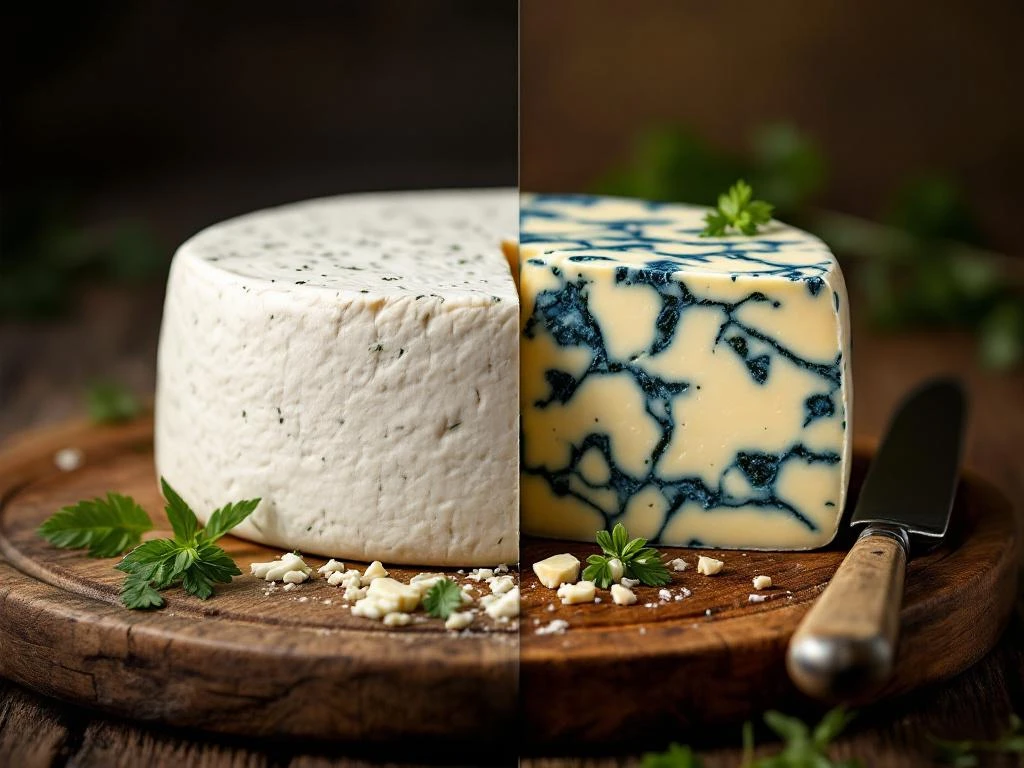
No, gorgonzola is not goat cheese. Gorgonzola is a traditional Italian blue cheese made exclusively from cow’s milk, protected by DOP (Denominazione di Origine Protetta) regulations. While both are popular speciality cheeses, they differ significantly in milk source, production methods, texture, and flavour profiles. Understanding these distinctions is crucial for B2B buyers in retail, foodservice, and industry sectors when selecting the right cheese products for their specific market needs.
Understanding the gorgonzola and goat cheese confusion
The confusion between gorgonzola and goat cheese often stems from their shared characteristics as speciality cheeses with distinctive flavours and creamy textures. Both cheeses occupy premium positions in cheese counters and restaurant menus, leading some buyers to mistakenly categorise them together. For B2B professionals in the cheese industry, this confusion can impact procurement decisions and menu planning.
The mix-up typically occurs because both cheeses share certain sensory qualities, particularly their rich, creamy textures and strong flavour profiles. Additionally, the growing popularity of artisanal cheeses has led to increased availability of blue-veined goat cheeses, which can visually resemble gorgonzola. For wholesale buyers sourcing for retail chains, foodservice operations, or industrial processing, understanding these fundamental differences ensures accurate product selection and prevents costly ordering mistakes.
This confusion becomes particularly relevant when considering customer preferences and dietary requirements. As we see increasing demand for goat cheese products across international markets, buyers need clear knowledge about cheese classifications to meet specific customer needs effectively.
What exactly is gorgonzola cheese?
Gorgonzola is a traditional Italian blue cheese that must be made exclusively from cow’s milk according to strict DOP regulations. This protected designation ensures that authentic gorgonzola comes only from specific regions in northern Italy, primarily Piedmont and Lombardy. The cheese is characterised by its distinctive blue-green veining created by Penicillium roqueforti cultures, which develop during the ageing process.
The production process involves piercing the cheese wheels with metal rods to create air channels, allowing the blue mould to flourish throughout the paste. This results in the characteristic marbling that defines gorgonzola’s appearance. The texture ranges from creamy and spreadable in younger varieties (Gorgonzola Dolce) to firmer and more crumbly in aged versions (Gorgonzola Piccante).
For B2B buyers, understanding gorgonzola’s cow’s milk origin is essential when sourcing for customers with specific dietary preferences or restrictions. The cheese typically contains 48% fat content and offers a complex flavour profile ranging from mild and sweet to sharp and piquant, depending on ageing.
How is goat cheese different from cow’s milk cheeses?
Goat cheese, or chèvre, possesses distinct characteristics that set it apart from cow’s milk cheeses like gorgonzola. The most notable difference lies in its tangy, slightly tart flavour profile, which results from the unique fatty acid composition of goat’s milk. This distinctive taste, often described as earthy or grassy, appeals to consumers seeking alternatives to traditional cow’s milk products.
The visual appearance of goat cheese typically features a bright white colour, contrasting with the ivory or pale yellow hues of cow’s milk cheeses. This whiteness occurs because goats convert carotene to vitamin A more efficiently than cows. Goat cheese textures vary considerably, from fresh, spreadable varieties perfect for industrial processing and foodservice applications to aged, firm cheeses suitable for grating or slicing.
Nutritionally, goat cheese offers several advantages that drive its growing popularity in international markets. The smaller fat globules and different protein structure make it easier to digest for some consumers. Additionally, goat cheese typically contains lower lactose levels, making it a preferred choice for lactose-sensitive customers in retail and foodservice sectors.
Can gorgonzola be made with goat’s milk?
Authentic gorgonzola cannot be made with goat’s milk due to strict DOP regulations that mandate the exclusive use of cow’s milk. These protected designation rules ensure that any cheese labelled as “Gorgonzola” adheres to traditional production methods, specific geographical origins, and cow’s milk requirements. Violating these standards would result in the product losing its right to the gorgonzola name.
However, the cheese industry has responded to market demand by creating blue-veined goat cheeses that offer similar characteristics to gorgonzola. These artisanal alternatives combine the tangy flavour of goat’s milk with the complexity of blue mould cultures, creating unique products that appeal to consumers seeking innovative cheese options. While these cannot be called gorgonzola, they represent exciting alternatives for buyers looking to diversify their cheese selections.
For B2B professionals sourcing speciality cheeses, understanding this distinction helps avoid labelling issues and ensures compliance with food regulations. When customers request “goat’s milk gorgonzola,” buyers can confidently recommend appropriate blue goat cheese alternatives while explaining the regulatory constraints.
What are the best blue cheese alternatives for goat cheese lovers?
The market offers several exceptional blue cheese alternatives for those who prefer goat’s milk products. Humboldt Fog, an American artisanal cheese, combines creamy goat cheese with a distinctive layer of vegetable ash and develops a bloomy rind during ageing. This cheese offers complexity similar to blue cheeses without the traditional blue veining, making it popular in upscale foodservice establishments.
For buyers seeking traditional blue-veined options, several European and artisanal producers craft blue goat cheeses that rival cow’s milk varieties in complexity. These cheeses typically feature:
- Milder blue flavour compared to traditional Roquefort or gorgonzola
- Creamy, spreadable textures ideal for cheese boards and culinary applications
- Unique flavour profiles combining goat cheese tanginess with blue mould earthiness
- Versatile applications in both cold preparations and cooked dishes
Roquefort, while made from sheep’s milk rather than goat’s, offers another alternative for buyers seeking non-cow’s milk blue cheeses. Its protected designation ensures consistent quality, making it a reliable choice for retail and foodservice operations requiring predictable flavour profiles and availability.
Key takeaways for cheese buyers and professionals
Understanding the fundamental differences between gorgonzola and goat cheese empowers B2B professionals to make informed procurement decisions. Gorgonzola remains exclusively a cow’s milk product with DOP protection, while goat cheeses offer diverse options from fresh, spreadable varieties to aged, complex alternatives. This knowledge proves essential when addressing specific customer requirements, dietary preferences, and menu development needs.
For successful cheese procurement, buyers should consider these critical factors: milk source specifications for dietary requirements, texture variations for different applications, flavour profiles matching customer preferences, and regulatory compliance for accurate labelling. Whether sourcing for retail cheese counters, restaurant menus, or industrial food production, understanding these classifications ensures optimal product selection.
As the speciality cheese market continues evolving, staying informed about cheese varieties and their characteristics becomes increasingly important. By recognising that gorgonzola and goat cheese represent distinct categories with unique attributes, B2B professionals can better serve their customers’ diverse needs while capitalising on growing market opportunities for premium cheese products.