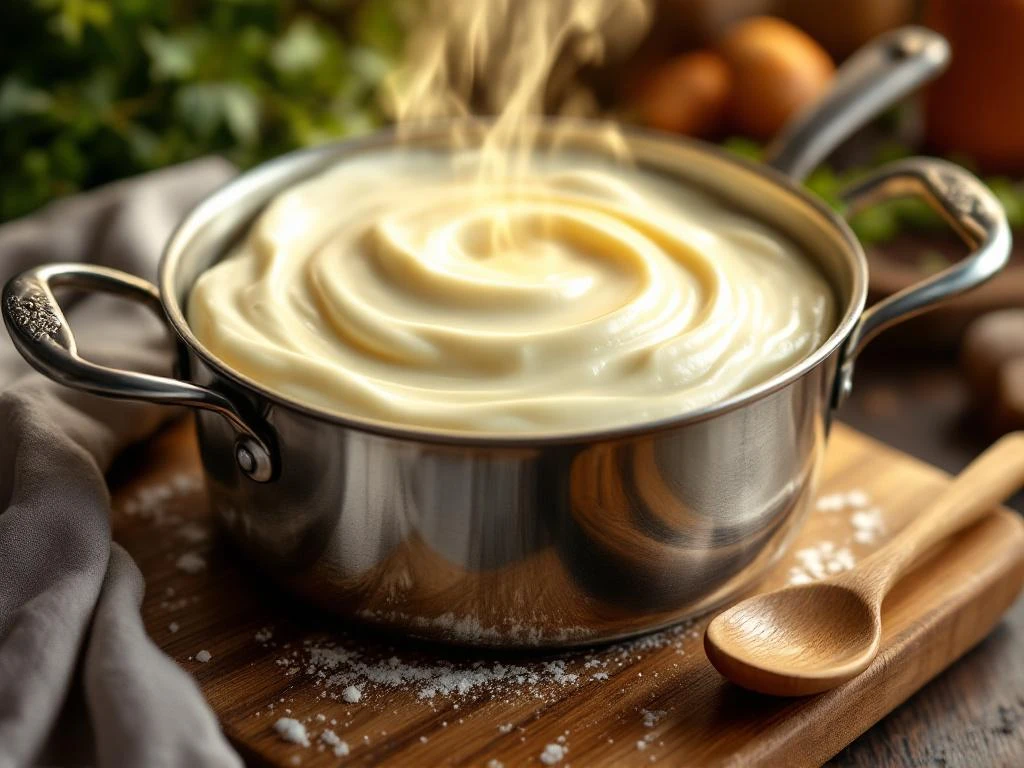
The best way to melt goat cheese is through gentle, indirect heat at temperatures between 150-180°F (65-82°C). Unlike cow’s milk cheese, goat cheese requires special handling due to its unique protein structure and lower melting point. Add small amounts gradually while stirring constantly to prevent separation and achieve a smooth, creamy consistency perfect for your culinary applications.
Understanding goat cheese melting properties
Goat cheese possesses distinct characteristics that set it apart from traditional cow’s milk cheeses when it comes to melting. The unique protein structure of goat cheese, combined with its higher moisture content and different pH levels, creates specific challenges and opportunities for professional kitchens and food processors.
Fresh goat cheese varieties, such as spreadable formats and crumbles, contain approximately 16-20% fat content and significantly more moisture than aged cheeses. This composition means they behave differently under heat, requiring careful temperature control and specific techniques to achieve optimal results. The proteins in goat cheese are smaller and more fragile than those in cow’s milk, making them more susceptible to breaking down when exposed to high temperatures.
Understanding these properties is essential for achieving consistent results across various applications, from hot dishes and sauces to cheese fondues and baked preparations. The key lies in respecting the cheese’s natural characteristics and working with them rather than against them.
Why doesn’t goat cheese melt like other cheeses?
The melting behaviour of goat cheese differs significantly from cow’s milk cheese due to several compositional factors. Goat cheese contains smaller fat globules and a different casein protein structure, which affects how it responds to heat. The pH level of goat cheese is typically lower than cow’s milk cheese, creating a more acidic environment that influences protein behaviour during heating.
Fresh goat cheese varieties have a moisture content that can exceed 60%, compared to aged cheeses with 35-40% moisture. This high water content means that when heated, the cheese tends to soften and become creamy rather than forming the stretchy, melted consistency associated with cheeses like mozzarella or cheddar. The proteins in fresh goat cheese are already partially broken down during the cheese-making process, which limits their ability to form the elastic network necessary for traditional melting.
Ripened goat cheese varieties behave somewhat differently, as the ageing process reduces moisture content and develops different protein structures. However, even aged goat cheeses maintain their characteristic crumbly texture when heated rather than melting smoothly. This unique behaviour makes goat cheese ideal for certain applications where a creamy, sauce-like consistency is desired rather than a stringy melt.
What temperature should you use to melt goat cheese?
Maintaining the correct temperature is crucial for successfully melting goat cheese. The optimal range falls between 150-180°F (65-82°C), significantly lower than temperatures used for melting hard cheeses. Exceeding this range causes the proteins to seize and separate, resulting in a grainy, unpleasant texture that cannot be reversed.
For stovetop applications, use low to medium-low heat settings, never allowing the cheese to come into direct contact with high heat. When preparing sauces or incorporating goat cheese into hot dishes, remove the pan from heat before adding the cheese, allowing residual warmth to gently melt it. This technique works particularly well with fresh goat cheese spreads and crumbles, which have optimal moisture content for smooth melting.
In oven applications, such as gratins or baked dishes, position goat cheese-topped items in the middle rack and use temperatures no higher than 350°F (175°C). For best results, add the cheese during the final minutes of cooking rather than subjecting it to prolonged heat exposure. Professional kitchens often use steam injection ovens at lower temperatures to maintain moisture while gently warming the cheese.
How do you prevent goat cheese from becoming grainy when melting?
Preventing graininess requires a combination of proper technique and ingredient selection. Adding a stabilising liquid such as cream, milk, or even pasta water helps maintain smooth consistency by providing additional moisture and buffering the proteins. For every 100g of goat cheese, incorporate 2-3 tablespoons of liquid, adding it gradually while stirring.
Creating a cornstarch slurry (1 teaspoon cornstarch mixed with 2 tablespoons cold liquid) and whisking it into the goat cheese mixture helps bind the proteins and prevents separation. This technique proves especially useful when preparing cheese sauces or fondues that require extended heating. Alternatively, adding a small amount of cream cheese or mascarpone can provide additional stability without significantly altering the flavour profile.
The gradual incorporation method works exceptionally well for maintaining texture. Break goat cheese into small pieces or use pre-crumbled varieties, adding them in stages rather than all at once. Constant, gentle stirring with a wooden spoon or silicone spatula ensures even heat distribution and prevents hot spots that could cause curdling. For optimal results, choose fresh goat cheese products with consistent moisture content and avoid varieties that have been frozen, as freezing disrupts the protein structure.
Which cooking methods work best for melting goat cheese?
The double boiler method provides the most controlled environment for melting goat cheese. Place a heatproof bowl over simmering water, ensuring the bottom doesn’t touch the water. Add crumbled or sliced goat cheese with a splash of cream, stirring gently until smooth. This indirect heat method virtually eliminates the risk of overheating and produces consistently smooth results.
For stovetop preparations, use a heavy-bottomed pan over low heat. Start with your liquid base (cream, milk, or stock) warmed to about 140°F (60°C), then remove from heat and whisk in goat cheese gradually. The residual heat melts the cheese without risk of separation. This technique works particularly well for pasta sauces and cream-based soups.
| Cooking Method | Temperature Range | Best Applications | Time Required |
|---|---|---|---|
| Double Boiler | 150-160°F (65-71°C) | Sauces, fondues | 5-8 minutes |
| Low Stovetop | 160-180°F (71-82°C) | Pasta dishes, soups | 3-5 minutes |
| Oven (indirect) | 325-350°F (163-175°C) | Gratins, tarts | 8-12 minutes |
| Microwave (low power) | 50% power, 15-second intervals | Quick melts, dips | 1-2 minutes |
Microwave melting requires careful attention but can produce good results for small quantities. Use 50% power in 15-second intervals, stirring between each heating period. Add a tablespoon of liquid per 50g of cheese to maintain moisture. This method suits quick preparations like warm dips or single-serving applications.
Key takeaways for melting goat cheese successfully
Success with melting goat cheese depends on understanding and respecting its unique properties. Always maintain temperatures below 180°F (82°C), use indirect heating methods when possible, and incorporate stabilising liquids to prevent separation. Choose fresh goat cheese varieties with consistent moisture content for the most reliable results.
Professional kitchens benefit from selecting high-quality goat cheese from specialised producers who maintain strict quality standards through traditional production methods. The consistency and moisture content of professionally produced goat cheese ensures predictable melting behaviour across different batches, essential for maintaining recipe standardisation in commercial settings.
Remember that goat cheese’s reluctance to melt traditionally isn’t a limitation but rather an opportunity to create unique textures and flavours in your culinary applications. Whether preparing delicate sauces, creamy soups, or innovative hot dishes, the key lies in gentle handling and proper technique. With these guidelines, you can confidently incorporate melted goat cheese into your menu offerings, delivering consistent quality that showcases this versatile ingredient’s distinctive character.