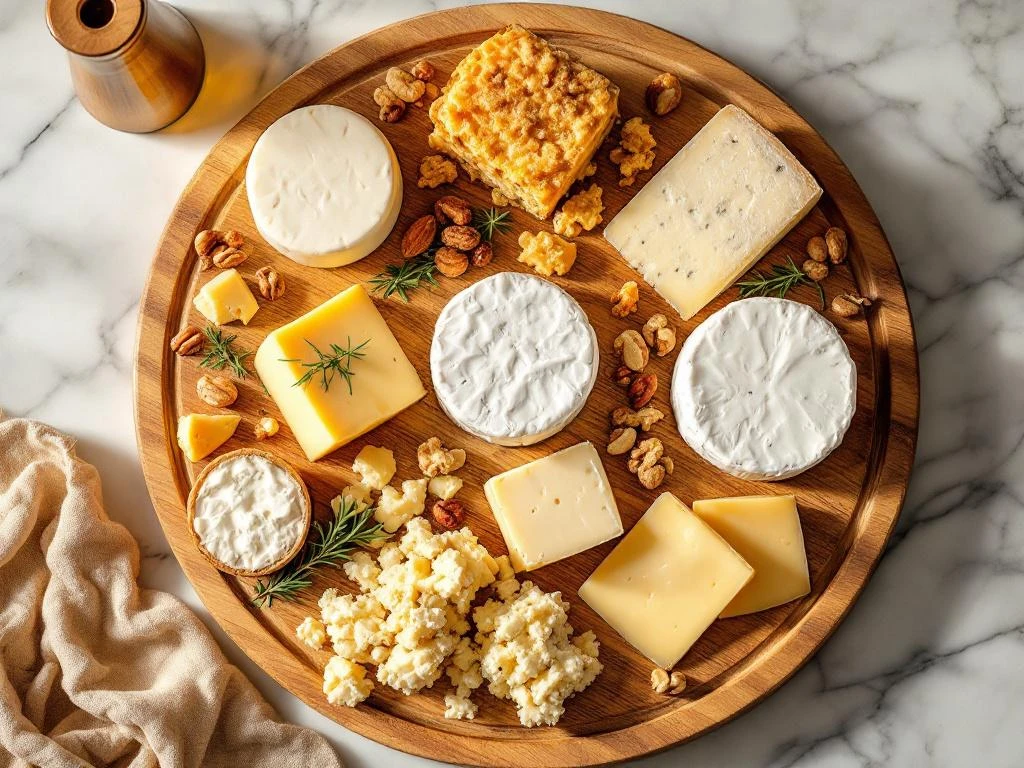
Choosing the right goat cheese variety for your business requires understanding key factors including texture, flavour profile, shelf life, and specific application needs. Whether you operate a restaurant, retail shop, or catering service, selecting appropriate goat cheese varieties directly impacts menu versatility, customer satisfaction, and operational efficiency. The ideal selection balances quality characteristics with practical considerations like storage requirements, portion sizes, and cost-effectiveness while meeting your specific business model’s demands.
What factors determine the best goat cheese variety for commercial use?
The best goat cheese variety for commercial use depends on four critical factors: flavour profiles, texture requirements, shelf life expectations, and price points. Each business type requires different characteristics to meet customer expectations and operational needs effectively.
Restaurants typically benefit from versatile varieties that work across multiple menu applications. Fresh goat cheese with its mild, creamy profile suits delicate preparations, while aged varieties with complex, nutty notes complement robust dishes. Retail operations need products with reliable shelf life and appealing packaging, often favouring pre-portioned options that maintain quality throughout the sales cycle.
Catering businesses require goat cheese varieties that maintain stability during transport and service. Semi-soft textures that hold their shape at room temperature prove invaluable for buffet presentations, while spreadable varieties offer efficiency for high-volume sandwich preparation. Customer demographics significantly influence selection decisions, with younger audiences often preferring milder profiles while sophisticated diners appreciate aged varieties with distinctive character.
Understanding your primary service format helps narrow choices effectively. Quick-service establishments benefit from pre-sliced or crumbled formats that speed preparation, while fine dining venues might prefer whole logs or wheels that allow custom portioning and presentation.
Which goat cheese textures work best for different business applications?
Texture selection directly impacts operational efficiency and menu success across different business applications. Fresh, creamy varieties offer maximum versatility for spreading, mixing, and melting applications, making them ideal foundations for diverse menu offerings.
Spreadable fresh goat cheese excels in sandwich shops and bakeries where speed and consistency matter. These smooth textures blend seamlessly into fillings, spreads, and baked goods without requiring additional preparation time. The 16% fat content options maintain rich flavour while offering lighter alternatives for health-conscious customers.
Crumbly varieties shine in salad stations and pizza kitchens. Pre-crumbled formats eliminate preparation time while ensuring consistent portion control. These textures hold their shape when tossed with greens or scattered over hot pizzas, providing visual appeal alongside flavour enhancement. For industrial processing and wholesale applications, bulk crumbles in 5kg packaging offer exceptional value and efficiency.
Semi-soft options like goat brie serve dual purposes on cheese boards and in hot applications. Their creamy interior contrasts beautifully with the white rind, creating visual interest while offering complex flavours that develop during ripening. These varieties work equally well served at room temperature or gently warmed in oven dishes.
Firmer aged varieties provide grating options for finishing dishes or incorporating into cooked preparations. Their concentrated flavours mean smaller portions deliver significant impact, improving cost efficiency while expanding menu possibilities.
How do flavor profiles of goat cheese varieties impact menu versatility?
Flavour profiles fundamentally determine how goat cheese varieties integrate across menu categories, with each profile offering distinct pairing opportunities. Mild fresh varieties provide blank canvases that adapt to surrounding ingredients without overwhelming delicate flavours.
Fresh goat cheese with its clean, slightly tangy profile pairs beautifully with fruits, herbs, and light vinaigrettes. This versatility makes it invaluable for establishments serving breakfast through dinner, working equally well in morning pastries, lunch salads, and evening appetisers. Natural varieties allow chefs to customise flavours through additions while maintaining consistent base quality.
Aged goat cheeses develop complex flavour profiles ranging from nutty to earthy notes that complement robust ingredients like roasted vegetables, cured meats, and full-bodied wines. These varieties elevate simple preparations through their distinctive character, allowing minimal ingredient lists to deliver maximum impact.
Herb-infused and specialty varieties like fenugreek or forest mushroom options provide ready-made flavour combinations that streamline menu development. These pre-seasoned choices reduce preparation time while ensuring consistent flavour delivery across service periods. Honey-infused varieties bridge sweet and savoury applications, working in dessert courses as effectively as cheese boards.
Understanding flavour evolution helps maximise inventory value. Young goat brie offers mild, creamy notes perfect for introductory cheese experiences, while fully ripened versions develop pronounced characteristics that satisfy adventurous diners. This natural progression allows single inventory items to serve multiple menu positions based on ripening stage.
What storage and handling requirements should businesses consider when selecting goat cheese?
Storage and handling requirements significantly impact operational costs and product quality, making these practical considerations essential for variety selection. Fresh goat cheese demands consistent refrigeration between 2-4°C and typically offers 21-day shelf life from production, requiring careful inventory rotation.
Temperature stability proves critical for maintaining quality across all varieties. Fresh and spreadable options deteriorate rapidly when temperature fluctuates, while aged varieties demonstrate greater resilience. Businesses with limited refrigeration capacity benefit from selecting varieties with broader temperature tolerance, particularly for display cases or service stations.
Packaging formats directly influence storage efficiency and portion control. Individual portions like 7g or 20g pucks eliminate waste while ensuring consistent presentation, though they require more storage space than bulk options. Foodservice operations often prefer 800g tubs or 1kg logs that balance efficiency with manageable handling, while industrial users benefit from 10kg bulk packaging that reduces packaging waste and cost.
Pre-packaged portions simplify inventory management and reduce labour costs associated with portioning. Sliced formats maintain consistent thickness for even melting and professional presentation, while sealed packaging extends usable life after opening. Consider how packaging aligns with service speed requirements and waste reduction goals.
Different business models require varying approaches to inventory turnover. High-volume operations can maximise value through bulk purchasing of fresh varieties, while smaller establishments might prioritise aged options with extended shelf life. Understanding your weekly usage patterns helps determine optimal package sizes and variety mix.
Making informed goat cheese selections for your business success
Successful goat cheese selection combines understanding product characteristics with clear assessment of business needs and customer preferences. Starting with versatile varieties like fresh goat cheese rolls or spreadable options provides foundation products that work across multiple applications while you gauge customer response.
Quality consistency remains paramount for building customer trust and menu reliability. Partnering with suppliers who maintain certifications like IFS, GMP, and HACCP ensures product safety and consistency. These quality markers become particularly important when serving sensitive populations or meeting regulatory requirements.
Building relationships with knowledgeable suppliers provides ongoing support for menu development and troubleshooting. Suppliers offering both private label and branded options provide flexibility as your business grows, allowing you to develop signature offerings while maintaining cost control. Technical support for storage optimisation and application development adds value beyond simple product delivery.
Regular evaluation of sales data and customer feedback guides variety expansion. Track which textures and flavours generate repeat purchases, noting seasonal variations and emerging preferences. This data-driven approach minimises waste while ensuring inventory aligns with actual demand patterns.
Consider starting with a core selection spanning key texture and flavour categories: fresh spreadable for versatility, crumbles for visual impact and convenience, and one aged variety for sophisticated applications. This balanced approach provides menu flexibility while keeping inventory manageable, setting foundations for sustainable growth in your goat cheese offerings.