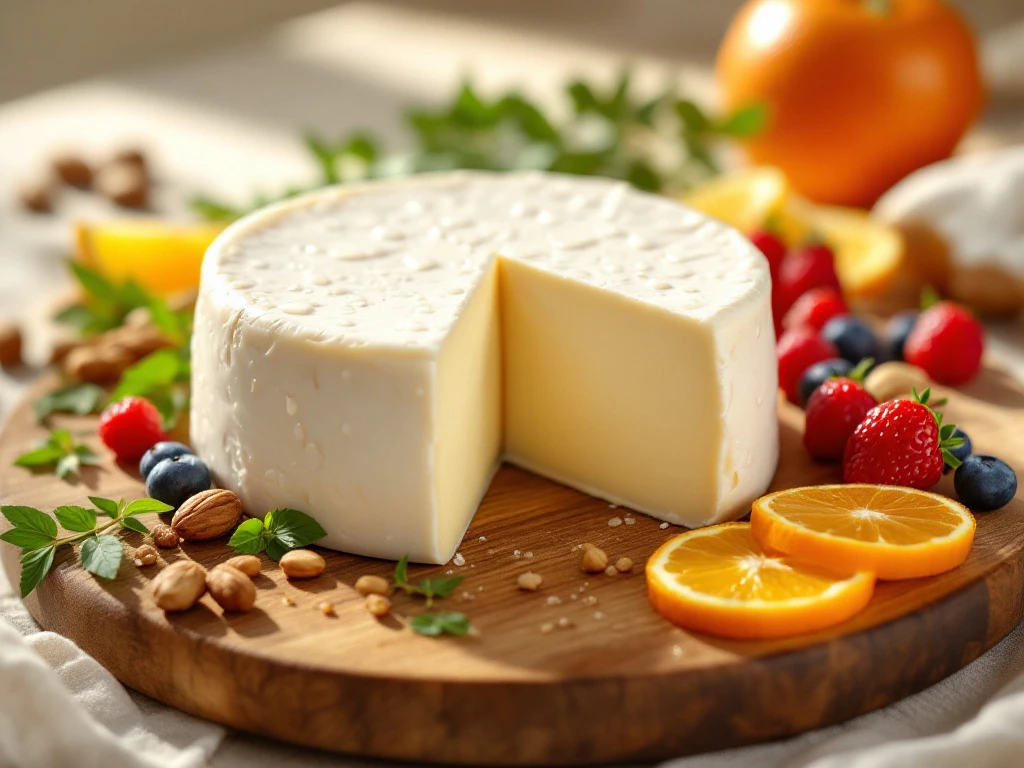
Handling goat cheese during peak seasons requires careful attention to storage conditions, temperature control, and inventory management. Peak demand periods typically occur during holidays, summer months, and special events when B2B customers need larger volumes and more frequent deliveries. Successful management combines proper cold chain maintenance, strategic packaging choices, and systematic rotation protocols to ensure consistent quality throughout busy periods.
What challenges do businesses face with goat cheese during peak seasons?
Peak season challenges for goat cheese include unpredictable demand spikes, limited cold storage capacity, maintaining consistent temperatures across larger volumes, and ensuring product quality during accelerated turnover. These challenges affect retail operations, foodservice providers, and industrial processors differently, with each sector requiring tailored solutions for their specific operational needs.
Demand fluctuations create particular difficulties for goat cheese handling because fresh varieties have shorter shelf lives than aged cheeses. Retail customers often experience sudden increases in orders for specialty items like our goat cheese pearls in herbs and spices or fresh goat cheese crumbles, requiring flexible inventory management. Foodservice operations face challenges with menu planning when popular items like goat cheese pucks for pizzas and salads see dramatic increases in usage.
Temperature control becomes more complex during peak season cheese storage as facilities operate at maximum capacity. The delicate nature of fresh goat cheese, particularly spreadable varieties with 16% fat content, demands precise environmental conditions. Storage areas experience more frequent door openings, equipment works harder, and maintaining consistent temperatures throughout larger inventory volumes requires enhanced monitoring systems.
Quality consistency presents ongoing challenges as production scales up to meet seasonal cheese demand. Fresh goat cheese rolls and ripened varieties like our traditional goat brie require different handling protocols, and staff must maintain these standards despite increased pace. The pressure to fulfill orders quickly can compromise proper handling procedures, potentially affecting the delicate texture and flavour profiles that distinguish quality goat cheese products.
How should you store goat cheese to maintain quality during high-demand periods?
Proper storage during peak seasons requires maintaining temperatures between 2-4°C for fresh goat cheese and 4-6°C for ripened varieties, with humidity levels at 80-85% to prevent moisture loss. Different product formats need specific storage arrangements, from bulk 10kg containers for industrial processing to individual 100g retail portions, each requiring appropriate spacing for air circulation and temperature consistency.
Fresh goat cheese products demand the most careful attention to goat cheese preservation methods. Our fresh goat cheese spreads and crumbles maintain optimal quality when stored in their original packaging, protected from direct airflow that can cause surface drying. Ripened varieties like Alphenaer goat brie develop their characteristic white rind properly when given adequate breathing space, preventing condensation that could affect texture and flavour development.
Storage zones should be organised by product type and turnover rate to support efficient cheese inventory management. Fast-moving items like goat cheese pucks for foodservice applications benefit from placement near loading areas, while slower-moving specialty products require deeper storage positions. This arrangement minimises temperature fluctuations from frequent access while maintaining proper stock rotation.
Monitoring systems become critical during busy periods when storage areas operate at capacity. Digital temperature logging provides continuous oversight, alerting staff to any deviations before product quality suffers. Regular physical checks complement automated systems, ensuring packaging integrity remains intact and identifying any products approaching their optimal use dates.
What temperature controls are essential for goat cheese during busy seasons?
Essential temperature controls include maintaining cold chain integrity from production through delivery, with monitoring at every transfer point and contingency cooling systems for equipment failures. Critical control points require documentation showing temperatures never exceed 7°C for fresh varieties or 10°C for ripened products, with immediate corrective actions for any deviations that could compromise quality or safety.
Transport presents particular challenges for goat cheese temperature control during peak seasons. Delivery vehicles experience more frequent stops and door openings, requiring pre-cooling protocols and strategic loading patterns. Products like our goat cheese pearls in oil require special attention as temperature fluctuations can affect oil consistency and product presentation.
Production facility controls must accommodate increased throughput while maintaining precise conditions. Processing areas for fresh goat cheese spreads and crumbles operate at lower temperatures than ripening rooms for brie varieties. Air handling systems require adjustment to manage increased heat loads from equipment and personnel, ensuring consistent conditions throughout extended production runs.
Emergency response protocols become vital during seasonal cheese production peaks. Backup refrigeration systems, portable cooling units, and predetermined product priority lists ensure minimal losses during equipment failures. Staff training emphasises rapid response procedures, with clear escalation paths for temperature excursions that could affect large volumes of inventory.
How do you manage inventory rotation when goat cheese demand peaks?
Effective inventory rotation during peak demand requires strict FIFO implementation using date coding systems, daily stock counts, and coordination between production schedules and customer orders. Fresh goat cheese products with 10-21 day shelf lives need particular attention, while ripened varieties with longer maturation periods require planning weeks in advance to ensure availability when demand spikes.
Technology supports cheese quality control through inventory tracking systems that flag approaching expiration dates and optimise picking sequences. Warehouse management software integrates with production planning, ensuring fresh goat cheese rolls and specialty items like truffle-flavoured ripened varieties move through the system efficiently. Barcode scanning at each movement point maintains accurate stock records despite increased activity levels.
Safety stock calculations must balance product availability with waste minimisation during cheese distribution planning. Historical data helps predict demand patterns, but flexibility remains essential as customer needs shift rapidly. We maintain buffer stocks of versatile products like natural goat cheese crumbles that work across multiple applications, from salads to pasta dishes, providing options when specific items run short.
Communication between departments prevents rotation failures during busy periods. Production teams share completion times and batch information with warehouse staff, who coordinate with sales teams managing customer expectations. This integration ensures products like our mini brie varieties, which need specific ripening times, reach customers at optimal quality levels despite accelerated turnover.
Which packaging solutions work best for goat cheese during peak seasons?
Optimal packaging during peak seasons balances protection with operational efficiency, using modified atmosphere packaging for extended shelf life on fresh varieties and vacuum sealing for portion control. Bulk formats like 5kg containers for crumbles serve high-volume industrial customers, while pre-portioned options like 20g pucks enable quick service operations without compromising quality during storage and transport.
Material selection affects both bulk cheese storage efficiency and product quality maintenance. Barrier films that prevent moisture migration work well for fresh goat cheese spreads, while breathable wrapping allows proper maturation for brie varieties. During peak seasons, packaging must withstand additional handling stress while maintaining product integrity through extended supply chains.
Sustainable packaging options increasingly influence B2B purchasing decisions, requiring solutions that meet environmental goals without sacrificing functionality. Recyclable containers for foodservice portions and reduced secondary packaging for industrial shipments address these concerns. We continuously evaluate new materials that maintain product quality while supporting our customers’ sustainability commitments.
Format flexibility proves essential during demand spikes when customers may need different portion sizes than usual. Having multiple packaging options available, from individual 7g portions for airlines to 1kg foodservice packs for restaurants, allows quick response to changing requirements. This adaptability helps maintain service levels when standard formats become temporarily unavailable.
Successfully managing goat cheese during peak seasons requires integrating all these elements into a cohesive strategy. From maintaining precise storage conditions to implementing robust inventory systems, each component supports consistent quality delivery despite increased demands. Whether supplying fresh goat cheese crumbles to industrial processors or specialty ripened varieties to retail customers, these practices ensure products reach their destination in optimal condition, supporting our partners’ success during their busiest periods.