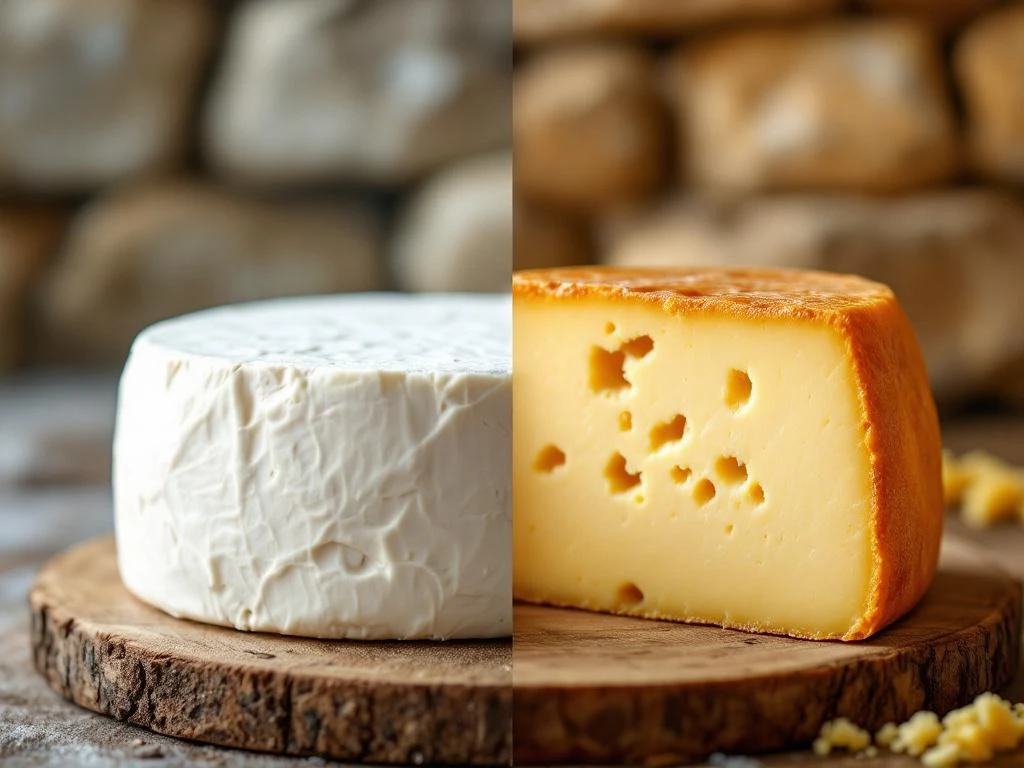
Goat cheese undergoes remarkable textural transformations during aging, evolving from soft and spreadable when fresh to firm and crumbly when mature. The aging process affects texture through moisture evaporation, protein breakdown, and enzymatic activity, creating distinct characteristics at each stage. Fresh goat cheese maintains a creamy, moist texture, whilst aged varieties develop firmer, more complex structures over weeks or months of careful maturation.
What happens to goat cheese during the aging process?
During the goat cheese aging process, biochemical changes transform the cheese’s structure through moisture loss, protein breakdown, and rind development. Enzymes and beneficial bacteria work together to break down proteins and fats, converting the initial soft, spreadable texture into increasingly firm consistencies as maturation progresses.
The transformation begins immediately after production. Natural enzymes present in the milk and added during cheesemaking start breaking down casein proteins into smaller peptides and amino acids. This proteolysis softens the cheese initially but eventually contributes to the development of more complex textures. Simultaneously, lipases break down fats, releasing fatty acids that influence both texture and flavour.
As moisture evaporates from the cheese surface, a protective rind forms. This rind may develop naturally or through the introduction of specific moulds like Penicillium candidum for bloomy rinds or Geotrichum for wrinkled surfaces. The rind acts as a semi-permeable barrier, regulating moisture loss and protecting the paste whilst allowing the cheese to breathe and continue maturing. Understanding these processes helps professionals in the industry and wholesale sector select appropriate goat cheese varieties for their specific needs.
How long does it take for goat cheese to develop different textures?
Goat cheese develops distinct textures across different aging timelines, with fresh varieties ready in 0-7 days, semi-aged options maturing over 2-8 weeks, and fully aged goat cheese requiring 2-6 months or longer. Each stage presents unique textural characteristics that suit different culinary applications and market preferences.
Fresh goat cheese maintains its characteristic creamy, moist texture during the first week. At this stage, the cheese spreads easily and has a light, fluffy consistency. Moving into the semi-aged category, cheeses develop a denser structure between two and eight weeks. The exterior begins firming whilst the interior remains somewhat creamy, creating an appealing textural contrast.
The progression continues as cheeses age beyond two months. During this period, moisture content decreases significantly, and the paste becomes increasingly firm and crumbly. Some varieties may develop a chalky centre after three to four months, whilst others maintain a slightly creamy core surrounded by a firmer exterior. Extended aging beyond six months produces very firm, dry cheeses with pronounced crystalline textures from calcium lactate formation.
What does goat cheese taste like at various aging stages?
Fresh goat cheese offers mild, tangy flavours with subtle citrus notes, whilst aged varieties develop complex profiles featuring nutty, earthy, and sharp characteristics. The flavour intensity increases proportionally with aging time, as biochemical changes create new compounds that contribute depth and complexity to the cheese’s taste profile.
During the initial fresh stage, goat cheese presents clean, bright flavours dominated by lactic acid tanginess. The taste remains delicate with hints of grass and herbs, reflecting the goats’ diet. As the cheese enters the semi-aged phase, these primary flavours deepen, and secondary notes emerge. Nutty undertones develop alongside increased savouriness, whilst the initial tanginess mellows into a more rounded acidity.
Fully aged goat cheese showcases remarkable flavour complexity. The extended maturation allows for the development of pronounced mineral notes, often described as slate-like or chalky. Earthy mushroom flavours may emerge, particularly in rind-ripened varieties. The sharpness intensifies, creating a pleasant bite that lingers on the palate. Some aged goat cheeses develop caramel or butterscotch notes, adding sweetness that balances the increased acidity and creates a sophisticated flavour profile appreciated by cheese connoisseurs.
Why does aged goat cheese become crumbly while fresh stays creamy?
Aged goat cheese becomes crumbly due to moisture evaporation and protein structure changes, whilst fresh varieties retain their creaminess through higher water content and intact protein networks. The unique composition of goat milk, particularly its smaller fat globules and different casein structure, contributes to this distinctive textural evolution.
The science behind this transformation involves several factors. As goat cheese ages, moisture content decreases from approximately 60-70% in fresh cheese to 30-40% in aged varieties. This water loss concentrates the proteins and creates a drier, more brittle structure. Additionally, proteolytic enzymes continue breaking down the casein network, weakening the bonds that hold the cheese together and contributing to the crumbly texture.
Calcium and pH levels play crucial roles in texture development. Goat cheese typically has lower calcium content than cow’s milk cheese, affecting how proteins bind together. As the cheese ages, pH levels change through ongoing fermentation, influencing calcium solubility and protein interactions. The smaller fat globules in goat milk also distribute differently throughout the cheese matrix, creating natural fault lines that contribute to the characteristic crumbly texture when the cheese loses moisture.
Which texture of goat cheese works best for different culinary uses?
Fresh, creamy goat cheese excels in spreading applications and salads, semi-aged varieties perform beautifully when melted or cooked, whilst firm, aged goat cheese works perfectly for grating and cheese boards. Selecting the appropriate texture ensures optimal performance in each culinary application.
Fresh goat cheese, with its spreadable consistency, serves as an ideal base for appetisers, sandwich spreads, and salad toppings. Its light texture incorporates smoothly into dips, mousses, and cheesecakes. The high moisture content allows it to blend seamlessly with herbs, creating flavoured spreads that maintain a luxurious mouthfeel. This texture also works wonderfully in stuffed vegetables or as a creamy element in grain bowls.
Semi-aged goat cheese offers versatility in cooking applications. Its partially firm texture melts evenly without becoming stringy, making it perfect for gratins, quiches, and pizza toppings. The balanced moisture content prevents excessive oil separation during heating, maintaining an appealing appearance and texture. Aged goat cheese, with its firm, crumbly structure, adds textural interest to composed salads and cheese platters. Its concentrated flavour and dry texture make it suitable for grating over pasta, risottos, or roasted vegetables. The complex flavour profile of aged varieties pairs exceptionally well with honey, nuts, and dried fruits on artisanal cheese boards.
Understanding how aging affects goat cheese texture empowers culinary professionals to make informed selections for their specific needs. From the creamy freshness of young cheeses to the complex, crumbly character of aged varieties, each texture stage offers unique possibilities. Whether sourcing for retail, foodservice, or industrial applications, recognising these textural transformations ensures optimal product selection and customer satisfaction. The journey from fresh to aged represents not just a timeline but a spectrum of culinary potential, with each stage offering distinct advantages for creative menu development and product innovation.
Related Articles
- How do you test the melting behavior of goat cheese before making a large-scale purchase?
- How do you negotiate a fixed price with a goat cheese producer?
- How do you ask a producer to think outside their standard range?
- How do you document supplier certifications from a goat cheese producer for your own quality system?
- Which goat cheese types are best for mild-tasting menu items?