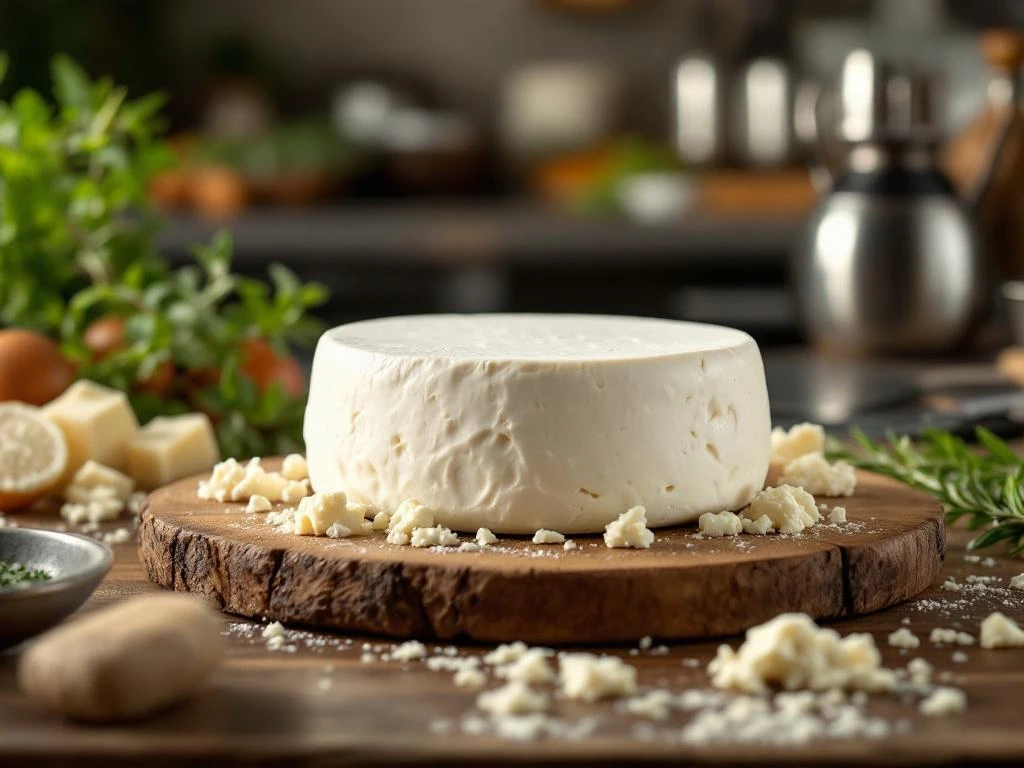
Goat cheese offers foodservice operations multiple advantages including versatile menu applications, improved profit margins, and operational efficiency. Its distinctive tangy flavour profile allows chefs to create premium dishes whilst meeting growing demand for alternative dairy options. The cheese’s longer shelf life, portion control benefits, and various format options make it particularly suitable for professional kitchens seeking to differentiate their menus whilst maintaining cost-effectiveness.
Why are restaurants increasingly choosing goat cheese for their menus?
Restaurants are embracing goat cheese because it addresses multiple modern dining preferences whilst offering exceptional culinary versatility. The cheese naturally contains lower lactose levels than traditional cow’s milk cheeses, making it more digestible for sensitive diners. Its unique flavour profile enables chefs to create memorable dishes across various cuisines, from Mediterranean to contemporary fusion.
The growing health-conscious consumer base appreciates goat cheese’s nutritional profile, which includes easier-to-digest proteins and beneficial fatty acids. Professional kitchens value how a small amount of goat cheese can transform simple ingredients into sophisticated plates. This flavour impact means chefs can use smaller portions whilst still delivering bold taste experiences.
Modern dietary trends have positioned goat cheese as an ideal ingredient for accommodating various preferences. Whether catering to flexitarian diners, those seeking artisanal ingredients, or customers looking for lighter alternatives, goat cheese meets these demands. Its ability to complement both vegetarian and meat-based dishes makes it invaluable for menu planning across different dietary requirements.
What does goat cheese taste like compared to traditional cheese options?
Goat cheese delivers a distinctive tangy, slightly tart flavour with creamy undertones that sets it apart from cow’s milk cheeses. Fresh varieties offer bright, citrusy notes with a clean finish, whilst aged versions develop earthy, complex flavours. The texture ranges from spreadable and light to firm and crumbly, providing chefs with diverse culinary applications.
Compared to traditional cheeses, goat cheese has a lighter mouthfeel and cleaner taste profile. Where cow’s milk cheeses often coat the palate with richness, goat cheese refreshes with its bright acidity. This characteristic makes it particularly suitable for balancing rich dishes or adding complexity to salads and appetisers. The cheese’s natural tanginess pairs exceptionally well with sweet elements like honey, figs, or roasted vegetables.
Professional kitchens appreciate how goat cheese’s flavour intensity means smaller portions deliver significant impact. Unlike mild cow’s milk cheeses that might get lost in complex dishes, goat cheese maintains its presence without overwhelming other ingredients. This balance makes it ideal for both subtle applications and bold flavour combinations.
How does goat cheese improve profit margins in foodservice operations?
Goat cheese enhances profitability through its premium positioning and efficient portion control. Customers perceive goat cheese as an artisanal ingredient, allowing restaurants to command higher prices for dishes featuring it. A small amount creates significant flavour impact, meaning operators can achieve excellent cost-per-plate ratios whilst maintaining customer satisfaction.
The cheese’s extended shelf life compared to many fresh cheeses reduces waste and improves inventory management. Professional kitchens benefit from goat cheese’s stability, which allows for better planning and reduced spoilage costs. Various format options, from logs to crumbles, enable precise portioning that minimises preparation waste.
Menu engineering becomes more effective with goat cheese as a featured ingredient. Its distinctive flavour allows chefs to create signature dishes that stand out from competitors. The ability to cross-utilise goat cheese across multiple menu categories, from starters to desserts, maximises ingredient efficiency. This versatility means one premium ingredient can enhance numerous dishes, improving overall menu profitability.
Which menu applications work best with goat cheese varieties?
Goat cheese excels across all dayparts and menu categories, with salads representing one of the most popular applications. Fresh goat cheese crumbled over mixed greens with nuts and vinaigrette creates an instant premium salad. For industry wholesale buyers seeking versatile cheese options, goat cheese offers exceptional menu flexibility.
Pizza and flatbread applications showcase goat cheese’s melting properties and flavour compatibility. Combined with caramelised onions, spinach, or sun-dried tomatoes, it creates sophisticated flavour profiles. Sandwich applications range from simple spreads to grilled cheese variations, where goat cheese adds creaminess and tang. Appetiser plates featuring goat cheese with crostini, olives, and preserves deliver high perceived value with minimal preparation.
Dessert applications represent an emerging trend, with goat cheese cheesecakes and tarts gaining popularity. The cheese’s natural tang balances sweet elements beautifully. Breakfast and brunch menus benefit from goat cheese in omelettes, quiches, and breakfast bowls. Aged goat cheese varieties work excellently on cheese boards, providing textural and flavour variety alongside traditional options.
What storage and handling advantages does goat cheese offer foodservice professionals?
Goat cheese provides superior storage flexibility with most varieties maintaining quality for several weeks when properly refrigerated. Fresh logs remain stable in their original packaging, whilst opened products stay fresh longer than comparable soft cow’s milk cheeses. This extended shelf life reduces waste and allows kitchens to maintain consistent inventory without frequent deliveries.
Different formats optimise kitchen efficiency based on specific needs. Pre-crumbled options eliminate preparation time during service, whilst logs allow for custom portioning. Spreadable varieties speed up sandwich and appetiser preparation. The cheese’s firm texture when chilled makes it easy to slice, crumble, or portion accurately, reducing preparation waste and ensuring consistent presentation.
Temperature stability during service represents another operational advantage. Goat cheese maintains its texture better than many soft cheeses when exposed to room temperature briefly, making it ideal for buffet presentations or high-volume plating. Its natural rind on aged varieties provides additional protection during storage and handling. Kitchen staff appreciate the cheese’s forgiving nature, as it doesn’t separate or become grainy as quickly as some traditional cheeses.
Key takeaways for implementing goat cheese in your foodservice operation
Implementing goat cheese successfully starts with understanding its unique benefits for menu differentiation and operational efficiency. The cheese addresses multiple foodservice challenges simultaneously: meeting dietary preferences, enabling premium pricing, and reducing waste through extended shelf life. Its versatility across menu categories means one ingredient investment yields multiple revenue opportunities.
Operational advantages include simplified inventory management, reduced preparation time with various format options, and consistent quality that ensures reliable menu execution. The cheese’s flavour intensity allows for controlled portioning whilst maintaining customer satisfaction, directly impacting food cost management. Training staff on proper storage and handling maximises these benefits.
Customer satisfaction increases through goat cheese’s ability to elevate familiar dishes and create memorable dining experiences. Its compatibility with current food trends, from plant-forward menus to artisanal ingredients, positions establishments as innovative whilst maintaining broad appeal. For foodservice operations seeking to balance creativity with profitability, goat cheese provides a proven solution that addresses both front and back-of-house needs effectively.
Related Articles
- How do you create an emergency plan for cheese supply during supply chain disruptions?
- What are the benefits of an exclusive partnership with a specialized goat cheese producer?
- How do you establish volume guarantees when purchasing goat cheese crumbles at pallet scale?
- How to crumble goat cheese?
- Where to buy goat cheese?