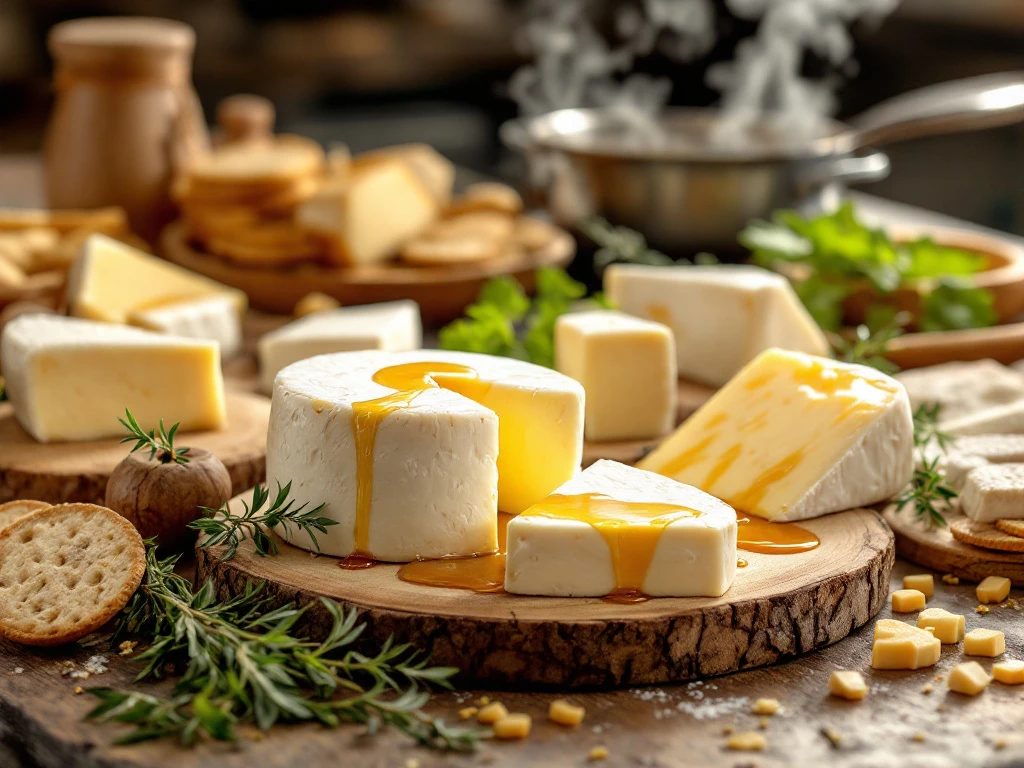
The best goat cheese brands for cooking have great melting qualities, the right amount of moisture, and a texture that stays good when heated. Good cooking cheeses are usually made using traditional methods, careful aging, and milk from well-cared-for goats. Fresh types work well in cold dishes and gentle heating, while aged goat cheeses give strong flavors for baked dishes.
What makes certain goat cheese brands better for cooking than others?
The best goat cheeses for cooking have special qualities that make them work well in many different dishes. Moisture content is the most important thing, with the best levels between 45-60%. This helps the cheese melt smoothly without releasing too much liquid. Traditional ways of making cheese create a protein structure that stays strong when heated. This stops the grainy texture that happens with poor quality products.
Good production starts with choosing and handling milk carefully. The best goat cheeses come from farms where animals eat grass in different pastures. This makes milk with complex flavors and balanced fat content. Making the cheese needs exact temperature control and careful culture selection. Traditional recipes, like those used for Alphenaer varieties, create the right pH levels. This makes sure the cheese melts and browns properly.
Aging processes greatly affect how well cheese works in cooking. Fresh goat cheeses keep high moisture levels that are perfect for spreading and gentle melting. Semi-aged varieties become firmer and work well for grilling or pan-frying. Fully aged goat cheeses have stronger flavors and less moisture. This makes products that grate well and add strong taste to dishes without releasing too much liquid when cooking.
Which goat cheese varieties work best for different cooking methods?
Fresh goat cheese works best when you use little heat or no heat at all. Its creamy texture and high moisture make it perfect for mixing into warm pasta, spreading on bread, or putting on salads. These young cheeses mix smoothly into sauces and soups without breaking, if temperatures stay below 70°C. Fresh varieties also work very well in no-bake desserts and cold dips.
Semi-soft ripened varieties, like goat brie, work well in medium-heat cooking. Their white outer layer protects the creamy inside during baking. This makes them perfect for wrapping in pastry or simple oven melting. These cheeses keep their shape at temperatures up to 180°C. They develop golden surfaces while keeping centers soft and creamy. They work very well in gratins, tarts, and stuffed vegetables.
Aged goat cheeses have strong flavors and less moisture, making them perfect for high-heat cooking. These firm varieties are easy to grate for even spreading over pizzas or mixing into breadcrumbs. Their low water content means they brown nicely under grills without releasing liquid that might make crusts wet. Crumbled aged goat cheese adds interesting texture to roasted vegetables and stays in separate pieces even when mixed with hot ingredients.
How do you properly store and prepare goat cheese for cooking?
Proper storage keeps goat cheese quality good and makes sure you get the best cooking results. Fresh varieties need to be kept cold at 2-4°C, wrapped in their original packaging or put in airtight containers. Ripened goat cheeses need air, so store them in cheese paper or loosely wrapped parchment in a container. Never use plastic wrap directly on soft-ripened varieties, as this traps moisture and makes them spoil faster.
Preparation methods change depending on cheese type and how you want to use it. Fresh goat cheese should reach room temperature 30 minutes before cooking for smooth melting and easy mixing. Remove outer layers from soft-ripened varieties unless you want them for texture. For even melting, cut cheese into equal pieces rather than using large chunks. Crumbling works best when cheese stays cold, using a fork or fingers to create similar sizes.
Managing temperature during preparation prevents common texture problems. Bring cold cheese to room temperature slowly to avoid water drops that make flavors weaker. For recipes that need melted goat cheese, grate or thinly slice firm varieties while cold for more even spreading. Fresh spreadable goat cheese benefits from gentle stirring before use to make it smooth again. Cutting cheese into portions for recipes saves time and makes sure results are the same across multiple servings.
What are the most common mistakes when cooking with goat cheese?
Using too much heat is the most common mistake, causing proteins to separate and create grainy, oily textures. Goat cheese has delicate proteins that break down above 85°C, releasing moisture and fat separately. This mistake often happens when adding cheese too early in cooking or using too much heat for melting. Solution: add goat cheese during final cooking stages and use gentle, indirect heat when possible.
Choosing wrong varieties for specific uses leads to disappointing results. Using fresh goat cheese for high-heat grilling causes too much melting and mess, while trying to spread aged varieties is very difficult. Each variety has best uses based on moisture content and texture. Understanding these characteristics prevents frustration and wasted ingredients.
Storage mistakes harm cheese quality before cooking even begins. Wrapping soft-ripened goat cheeses too tightly speeds up ammonia development, creating bad flavors. Storing fresh varieties uncovered allows moisture loss and surface hardening. Temperature changes from taking cheese out of the refrigerator repeatedly make texture worse. Keep consistent storage conditions and use appropriate wrapping materials for each cheese type.
Which dishes showcase goat cheese’s cooking qualities best?
Classic French dishes show goat cheese’s versatility through time-tested combinations. Warm goat cheese salads balance crispy breadcrumb coatings with creamy melted centers, while traditional quiches use fresh varieties for silky custards. Provençal tarts layer roasted vegetables with goat cheese, allowing natural moisture to create self-saucing effects. These dishes show how proper technique transforms simple ingredients into sophisticated results.
Modern cuisine uses goat cheese’s adaptability across global flavors. Mediterranean-inspired flatbreads combine melted goat cheese with caramelized onions and herbs. Asian fusion dishes use crumbled varieties in spring rolls or wontons. Latin American dishes feature goat cheese in empanadas and stuffed peppers. Modern pasta dishes show how goat cheese creates instant creamy sauces without heavy cream.
Seasonal cooking makes the most of goat cheese potential through thoughtful ingredient pairings. Spring dishes combine fresh goat cheese with asparagus and peas in light pastas. Summer dishes feature grilled stone fruits with melted goat cheese and honey. Autumn root vegetable gratins benefit from aged varieties’ strong flavors. Winter comfort foods use goat cheese in warming soups and hearty bakes. Sweet dishes span all seasons, from honey-drizzled baked goat cheese to cheesecakes featuring fresh varieties.
Understanding goat cheese varieties and their cooking properties opens endless cooking possibilities. From our traditional Alphenaer range to innovative dishes, quality goat cheese transforms ordinary dishes into memorable meals. Whether selecting fresh varieties for delicate dishes or aged options for bold flavors, success comes from matching cheese characteristics to cooking methods. We invite you to explore our comprehensive selection and discover how premium goat cheese elevates your cooking creations.
Related Articles
- What does EC accreditation mean for an industrial goat cheese producer?
- How do you ensure continuity in the supply of goat cheese spread during seasonal fluctuations?
- How to introduce goat cheese to conservative markets?
- How to market goat cheese to health-conscious restaurant guests?
- How to optimize goat cheese packaging for storage efficiency?