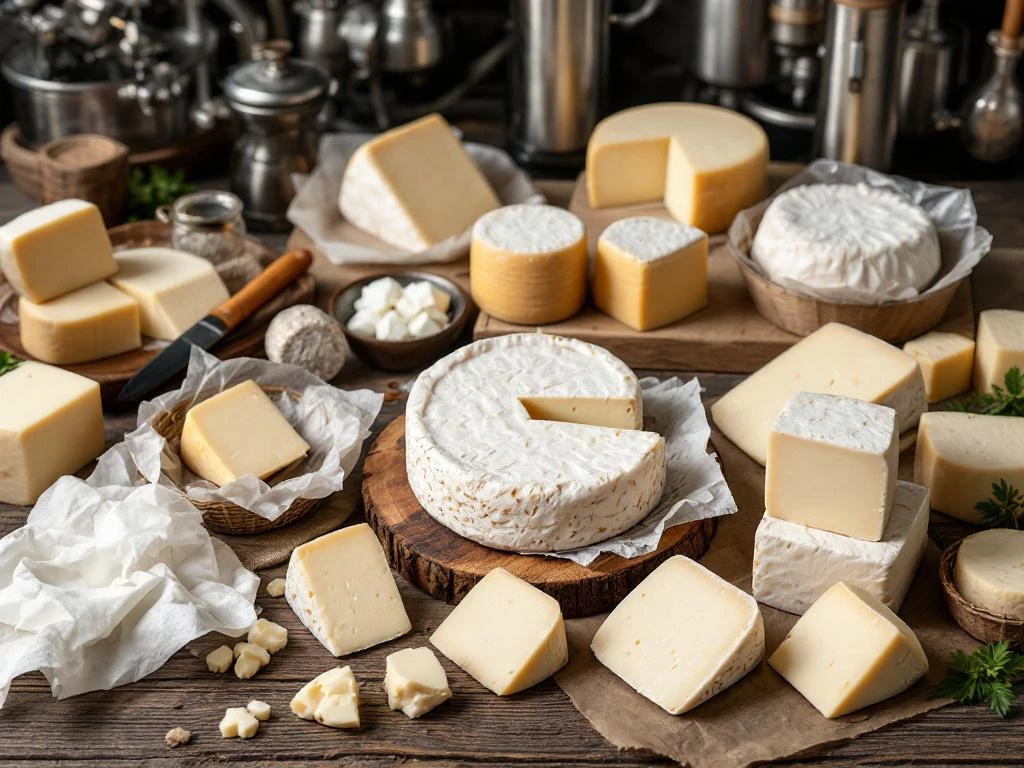
The best bulk packaging solutions for goat cheese combine vacuum-sealed containers, breathable films, and temperature-controlled materials that preserve the cheese’s distinctive tangy flavour and creamy texture. Commercial cheese packaging for goat cheese requires special attention to moisture control, pH balance, and protection from contamination, whilst maintaining the product’s signature characteristics throughout distribution and storage.
What makes bulk packaging different for goat cheese products?
Goat cheese packaging differs significantly from other cheese varieties due to its unique composition and delicate nature. The higher moisture content, typically ranging between 45-60%, demands specialised barrier materials that prevent excessive moisture loss whilst allowing the cheese to breathe properly.
The softer consistency of goat cheese creates additional challenges for bulk packaging goat cheese operations. Unlike harder cheeses that maintain their shape during transport, goat cheese requires rigid support structures or carefully designed moulds to prevent deformation. The pH levels in goat cheese, usually between 4.5 and 5.5, also influence packaging material selection, as certain plastics can react with acidic environments.
Temperature sensitivity plays a crucial role in packaging design. Goat cheese’s proteins and fats are more susceptible to temperature fluctuations than cow’s milk cheeses, requiring packaging that provides consistent thermal protection. This characteristic explains why many producers opt for multi-layer packaging systems that combine insulation with moisture barriers.
Which packaging materials preserve goat cheese flavor best?
Vacuum-sealed plastics emerge as the top choice for preserving goat cheese’s distinctive flavour profile. These materials create an oxygen-free environment that prevents oxidation and maintains the cheese’s fresh, tangy notes throughout its shelf life.
Breathable films offer another excellent option, particularly for artisanal varieties that benefit from controlled aging. These specialised materials allow carbon dioxide to escape whilst preventing moisture loss, preserving both texture and flavour. The permeability rates must be carefully calibrated to match the specific characteristics of each goat cheese variety.
Wax-coated papers provide traditional protection for certain goat cheese types, especially those requiring surface ripening. The coating prevents direct contact with external contaminants whilst allowing the cheese to develop its characteristic rind. Modern food-grade waxes incorporate antimicrobial properties that extend shelf life without affecting what does goat cheese taste like in its pure form.
For those seeking comprehensive goat cheese packaging solutions, we recommend exploring various options through wholesale cheese distribution channels that understand the specific requirements of goat cheese preservation.
How do vacuum-sealed containers benefit bulk goat cheese storage?
Vacuum sealing extends goat cheese shelf life by removing oxygen that causes spoilage and flavour degradation. This method maintains product consistency by preventing moisture migration and protecting the cheese’s creamy texture during commercial distribution.
The vacuum process requires precise calibration to avoid crushing delicate goat cheese varieties. Optimal vacuum levels typically range between 85-95%, depending on the cheese’s moisture content and structural integrity. Too much vacuum pressure can damage the product, whilst insufficient sealing allows air pockets that accelerate deterioration.
Seal integrity becomes paramount in vacuum packaging systems. The sealing temperature, pressure, and dwell time must be adjusted for each packaging material to ensure airtight closure. Regular seal strength testing helps maintain quality standards throughout the production process.
Texture preservation through vacuum sealing depends on proper pre-packaging preparation. Allowing goat cheese to stabilise at the correct temperature before sealing prevents condensation formation inside the package, which could alter the product’s consistency and promote unwanted microbial growth.
What size options work best for foodservice goat cheese packaging?
Foodservice operations benefit most from 1-2 kilogram portions that balance practicality with freshness preservation. These wholesale goat cheese containers allow chefs to maintain quality whilst minimising waste through appropriate portion control.
Restaurant kitchens typically prefer rectangular containers that maximise storage efficiency in commercial refrigerators. The dimensions should accommodate standard shelving whilst providing easy access for busy kitchen staff. Stackable designs further optimise space utilisation without compromising product integrity.
Catering services often require larger 3-5 kilogram formats for high-volume events. These bulk sizes reduce packaging waste and handling time whilst maintaining the cheese’s quality throughout service. The containers must feature secure lids that prevent contamination during transport and temporary storage.
Hotels and institutional kitchens appreciate pre-portioned options in 200-500 gram units. This packaging approach ensures consistent serving sizes and simplifies inventory management. The individual portions help maintain the goat cheese’s distinctive flavour profile by minimising exposure to air and temperature fluctuations.
Why does temperature-controlled packaging matter for goat cheese distribution?
Temperature-controlled packaging preserves goat cheese’s creamy texture by maintaining consistent cold chain conditions throughout distribution. Fluctuating temperatures cause moisture migration, fat separation, and textural changes that compromise product quality.
Insulated packaging solutions incorporate phase-change materials or gel packs that maintain optimal temperatures between 2-4°C. These systems provide buffer zones against external temperature variations during loading, unloading, and temporary storage. The insulation thickness depends on expected transit times and seasonal temperature extremes.
Temperature monitoring systems have become essential for quality assurance in goat cheese distribution. Digital loggers track temperature history throughout the journey, providing documentation for regulatory compliance and quality control. Real-time monitoring alerts distributors to potential cold chain breaches before product quality suffers.
The impact on flavour preservation cannot be overstated. Proper temperature control prevents enzymatic reactions that alter goat cheese’s characteristic tang and prevents the development of off-flavours. Customers receive products that deliver the intended sensory experience, maintaining brand reputation and satisfaction.
Key considerations when selecting bulk goat cheese packaging
Regulatory compliance forms the foundation of packaging selection, with food safety standards dictating material choices and labelling requirements. Packaging must meet local and international regulations for direct food contact whilst providing adequate barrier properties.
Sustainability options increasingly influence packaging decisions as businesses respond to environmental concerns. Recyclable and biodegradable materials offer eco-friendly alternatives without compromising product protection. Many producers now explore plant-based films and compostable containers that align with sustainability goals.
Cost-effectiveness requires balancing initial packaging expenses against potential product losses and brand reputation. Premium packaging that extends shelf life and maintains quality often proves more economical than cheaper alternatives that result in higher spoilage rates.
| Packaging Factor | Impact on Quality | Business Consideration |
|---|---|---|
| Material Selection | Flavour preservation, moisture control | Cost per unit, supplier availability |
| Size Options | Freshness maintenance, portion control | Storage efficiency, customer preferences |
| Temperature Control | Texture stability, shelf life extension | Distribution costs, equipment requirements |
| Sustainability | Environmental impact, brand perception | Market positioning, regulatory compliance |
Brand presentation through packaging design communicates quality and craftsmanship to B2B customers. Professional packaging reinforces product positioning and helps differentiate offerings in competitive markets. Clear labelling with production dates, storage instructions, and handling guidelines supports proper product management throughout the supply chain.
Selecting the right bulk packaging for goat cheese requires careful consideration of multiple factors that affect both product quality and business success. By prioritising proper moisture control, temperature stability, and appropriate sizing, businesses can ensure their goat cheese reaches customers in optimal condition. The investment in quality packaging solutions pays dividends through reduced waste, enhanced customer satisfaction, and stronger market positioning in the competitive cheese industry.