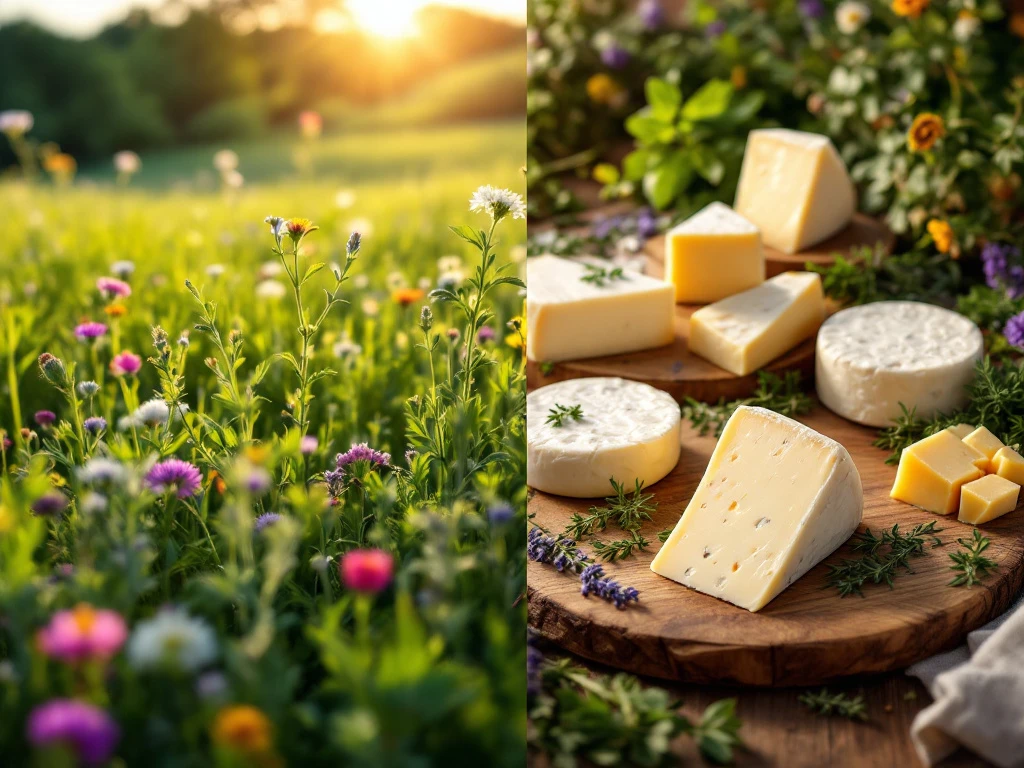
What goats eat directly changes how their cheese tastes. When goats eat plants like thyme or lavender, special compounds move from the food into their milk within hours. Grass from pastures adds fatty acids that change how the cheese feels in your mouth. These food elements work together to create the special taste of handmade goat cheeses. The flavors can be sweet and mild or strong and complex.
What exactly changes in goat cheese flavor based on diet?
The compounds that goats eat move directly into their milk. This changes the cheese flavor completely. Plant oils from herbs create smell and taste notes. Different fatty acids from various foods change how the cheese feels and tastes. Proteins and minerals affect how complex the cheese flavor is. These changes happen because goats process plant compounds differently than other farm animals.
When goats eat herbs that smell good, special compounds pass through their body into the milk. Fresh thyme adds thymol compounds that create gentle herb flavors in cheese. Lavender brings in linalool, which makes floral tastes that get stronger as the cheese ages.
The fatty acid content changes a lot based on what goats eat. Goats that eat grass make milk with higher levels of healthy fats. This creates creamier cheese with more complex flavor. Goats fed grain usually make milk with simpler fats. This results in milder cheese with more consistent flavors.
Specific connections between diet and flavor include clover fields that make naturally sweet tastes. Wild herbs like oregano and sage add savory complexity. These flavor transfers happen because goats can process plant compounds without breaking them down completely. This lets special tastes stay through milk production into the final cheese.
How do seasonal pasture changes affect goat cheese taste throughout the year?
Changes in pasture plants during different seasons create different flavor profiles in goat cheese all year. Spring cheeses taste fresh and grassy with flower notes. Summer varieties develop herb complexity. Autumn cheese shows earthy flavors. Winter cheeses from hay-fed goats have milder, nuttier characteristics. These seasonal differences show the changing plants in pastures.
Spring pastures are full of young grasses and early flowers. This makes milk rich in compounds from green plants. This creates cheese with bright, green flavors and lighter texture. The high water content in spring plants also affects milk. This results in cheeses that are usually softer and more delicate than cheese made in other seasons.
Summer brings the most herb variety to pastures. Wild thyme, rosemary, and flowering plants reach their best smell and taste. Summer goat cheeses often show the most complex flavor profiles. They have layers of herb, floral, and sometimes slightly bitter notes from mature plants.
Autumn pastures have root vegetables, late-season grasses, and fallen leaves. These add earthier flavors to cheese. The changing diet creates cheeses with mushroom-like flavors and deeper, more savory characteristics. Winter feeding uses stored hay, which makes cheeses with consistent, mild flavors and thicker textures.
What’s the difference between pasture-fed and grain-fed goat cheese flavors?
Pasture-fed goat cheese develops complex, varied flavors with herb notes and seasonal changes. Grain-fed cheese keeps consistent, mild flavors all year. Pasture feeding creates more smell compounds and healthier fats. Grain feeding makes uniform texture and predictable taste. The feeding system directly affects cheese texture, smell strength, and nutrition.
Texture differences are clear between the two systems. Pasture-fed goat milk has different fat sizes because goats eat many different plants. This creates cheese with more interesting feel and complexity. Grain-fed systems make uniform fat sizes. This results in smoother, more even cheese textures that many commercial producers like for consistency.
Smell compound differences are big. Pasture-based diets bring in many volatile compounds from different plants. This creates cheese with layered smells that change as you taste. Grain-fed cheese has fewer volatile compounds. This makes cleaner, simpler flavor profiles that highlight the basic tangy characteristics of goat milk without plant interference.
Many artisan producers use mixed feeding methods. They combine pasture access with extra grain feeding. This balanced system lets cheesemakers keep some consistency while preserving special characteristics. Mixed feeding creates the best flavor development. It provides enough variety for complexity while ensuring good nutrition for consistent milk production all year.
Which specific plants and herbs create the most distinctive goat cheese flavors?
Thyme, rosemary, and lavender create the most recognizable herb flavors in goat cheese. Clover and alfalfa add natural sweetness. Wild garlic and onion grass add strong notes that stay through cheesemaking. Regional plants like heather or sage develop unique local characteristics. Each plant transfers specific compounds that survive digestion and appear in the finished cheese.
Mediterranean herbs have particularly strong flavor transfer rates. Thyme adds thymol and carvacrol. These create warm, slightly medicinal notes that get stronger during cheese aging. Rosemary adds camphor-like compounds that make pine and eucalyptus undertones. Lavender’s linalool creates distinctive floral notes that work beautifully with goat milk’s natural tanginess.
Sweet plants significantly affect how pleasant cheese tastes. Clover has coumarin compounds that break down into sweet, vanilla-like flavors during digestion. Alfalfa adds natural sugars and creates a creamy, mild base flavor. This lets other plant notes shine. These sweet elements balance the natural acidity of goat cheese, creating more approachable flavor profiles.
Regional plants create location-specific cheese characteristics. Coastal pastures with sea herbs make slightly salty, mineral-rich cheeses. Mountain meadows with alpine flowers create bright, complex cheeses with extraordinary smell depth. Wild garlic meadows make intensely flavored seasonal cheeses that cost more because of their distinctive taste and limited availability.
How quickly does a diet change show up in goat cheese flavor?
Diet changes appear in goat milk within 12-24 hours. But full flavor transitions in cheese take several days to stabilize. Fresh cheeses show dietary changes within a week. Aged cheeses reflect the diet from weeks or months earlier. Cheesemakers must plan feed transitions carefully to keep consistent quality. This is especially important when moving between seasonal pastures or feed sources.
Immediate milk changes happen very fast. Strong flavors from plants like wild garlic or onion grass can appear in milk within hours of eating. More subtle changes from switching between hay and pasture take 2-3 days to fully show. The speed depends on the goat’s metabolism and the specific compounds involved in flavor transfer.
Fresh cheese production shows dietary effects quickly since minimal aging allows recent milk characteristics to dominate. Cheesemakers making fresh goat cheese must watch feed quality daily. Any bad flavors from problem plants or poor-quality feed will immediately affect their products. This requires close work with farmers and careful pasture management.
Aged cheese considerations add complexity to diet management. Since aged cheeses reflect the milk quality from their production date, seasonal transitions must be managed months in advance. Professional cheesemakers often mix milk from different dietary periods to keep consistency. Or they embrace seasonal variation as part of their artisan appeal. Understanding these timelines helps producers plan feeding strategies that work with their production schedules and quality goals.
The complex relationship between goat diet and cheese flavor shows nature’s amazing ability to transform simple plants into complex food experiences. Whether you prefer the herb complexity of summer pasture cheese or the consistent mildness of grain-fed varieties, understanding these connections helps you appreciate artisan goat cheese more. At DeJong Cheese, we carefully manage our goats’ nutrition to create distinctive Alphenaer cheeses. These capture the essence of traditional Dutch cheesemaking while meeting modern quality standards.
Related Articles
- What risks do you face when you rely on a single goat cheese producer?
- How do you use goat cheese crumbles as a finishing touch in chilled meal concepts?
- What are the benefits of using goat cheese in meal salad production?
- How to optimize goat cheese delivery schedules for restaurants?
- What are key quality indicators for bulk goat cheese?