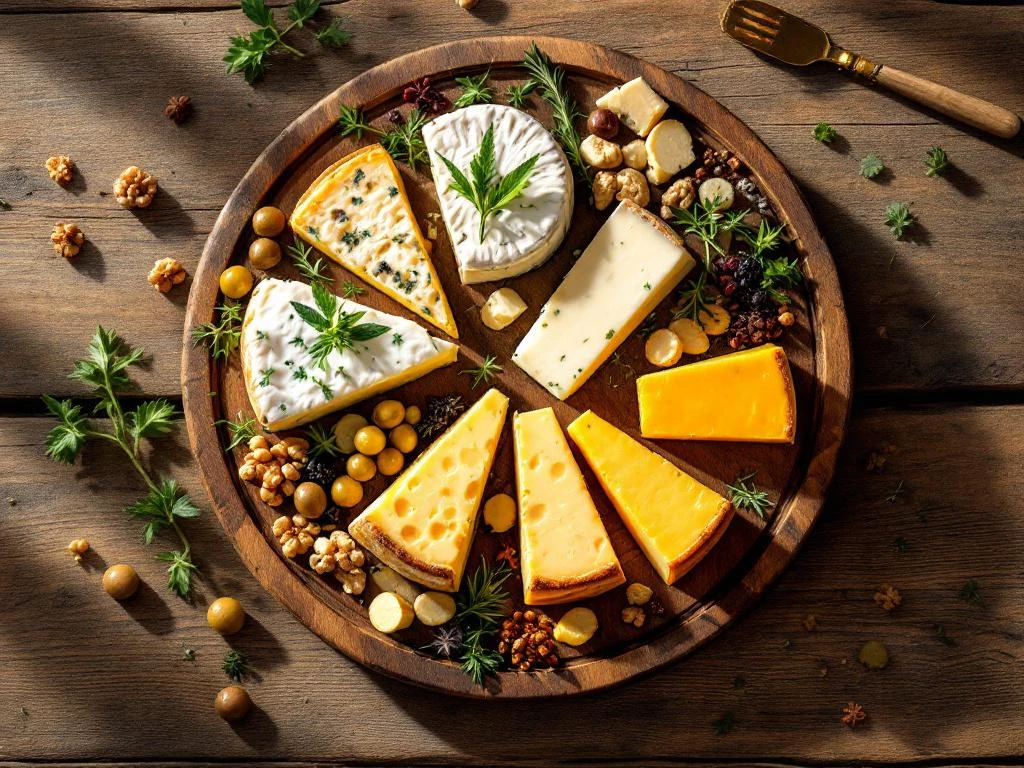
Goat cheese varieties offer remarkable versatility across global cuisines due to their diverse flavour profiles and textures. From mild, creamy fresh chèvre to tangy aged varieties, goat cheese adapts beautifully to Mediterranean, Middle Eastern, French, and fusion cooking. The unique characteristics of goat cheese varieties include lower lactose content, distinctive tang, and excellent melting properties, making them suitable for everything from fresh salads to baked dishes across culinary traditions.
What makes goat cheese suitable for various world cuisines?
Goat cheese’s adaptability stems from its remarkable range of flavour profiles and textures. Fresh varieties offer mild, creamy notes that complement delicate dishes, whilst aged types of goat cheese develop complex, earthy flavours perfect for robust preparations. The natural tang present in goat’s milk creates a distinctive taste that enhances rather than overwhelms other ingredients.
The texture variations in goat cheese make it exceptionally versatile. Soft, spreadable varieties work brilliantly in dips and spreads, semi-soft options crumble beautifully over salads, and harder aged cheeses grate perfectly for cooking applications. This flexibility allows chefs and home cooks to select the ideal consistency for their specific culinary needs.
What does goat cheese taste like compared to cow’s milk cheese? The answer varies significantly based on age and production methods. Fresh goat cheese typically offers clean, bright flavours with subtle citrus notes, whilst aged varieties develop nutty, mushroomy undertones. This flavour evolution provides options for every palate and cuisine style, from light Mediterranean dishes to hearty Middle Eastern stews.
Which fresh goat cheese varieties enhance Mediterranean dishes?
Fresh chèvre and soft goat cheese varieties excel in Mediterranean cuisine through their ability to balance bold flavours. These mild, creamy cheeses pair exceptionally well with olive oil, creating smooth textures that coat vegetables and grains beautifully. The subtle tang complements sun-dried tomatoes, olives, and fresh herbs without competing for attention.
Greek cuisine embraces fresh goat cheese in traditional salads and phyllo pastries. The creamy texture contrasts wonderfully with crisp vegetables and flaky pastry, whilst the mild flavour allows herbs like oregano and mint to shine. Italian applications include dolloping fresh goat cheese on pizzas and incorporating it into antipasti platters, where it provides a cooling element against spicy cured meats.
Spanish tapas benefit from fresh goat cheese’s versatility. Drizzled with honey and paired with almonds, it creates sweet-savoury combinations that define modern Spanish cuisine. The cheese’s ability to absorb marinades makes it perfect for herb-infused preparations, creating best goat cheese pairings with roasted peppers, grilled aubergines, and marinated artichokes.
What does goat cheese taste like in French cuisine applications?
French goat cheese varieties showcase an impressive spectrum of flavours, from delicate Loire Valley chèvres to robust aged crottins. Fresh French goat cheeses offer clean, milky flavours with subtle hazelnut notes, whilst aged varieties develop earthy, mushroomy complexities that define traditional French cheese courses.
The Loire Valley produces some of France’s most celebrated goat cheeses, each with distinct characteristics. Young varieties present bright, lemony notes perfect for spreading on baguettes, whilst semi-aged options develop creamy interiors with edible rinds that add textural interest. These cheeses form the foundation of classic warm goat cheese salads, where gentle heating intensifies their nutty qualities.
Traditional French preparations highlight goat cheese’s melting properties. Tarts featuring goat cheese combine its tangy profile with caramelised onions and fresh thyme, creating harmonious flavour combinations. The cheese’s ability to maintain structure whilst developing golden crusts makes it ideal for gratins and quiches, where it adds richness without overwhelming delicate egg custards.
How do aged goat cheeses complement Middle Eastern flavours?
Semi-hard and aged goat cheeses provide the perfect counterpoint to Middle Eastern cuisine’s bold spice profiles. Their firm textures and concentrated flavours stand up to intense seasonings like za’atar, sumac, and harissa, whilst their natural tang balances sweet elements like honey and dried fruits commonly used in the region.
Lebanese and Turkish cuisines incorporate aged goat cheese into stuffed pastries and börek, where the cheese’s lower moisture content prevents soggy fillings. The nutty, complex flavours developed during ageing complement pine nuts and herbs, creating layers of taste that define these traditional dishes. Crumbled over fattoush salads or mixed into muhammara, aged goat cheese adds protein and richness.
Moroccan tagines benefit from aged goat cheese’s ability to maintain texture during slow cooking. Added towards the end of cooking, chunks of firm goat cheese absorb aromatic spices whilst providing creamy pockets throughout the dish. This application demonstrates how goat cheese for cooking enhances traditional recipes whilst respecting authentic flavour profiles. For those seeking to explore wholesale options for authentic varieties, you can discover our industry wholesale solutions that cater to professional kitchens and food service providers.
Which goat cheese textures work best for baking and melting?
Soft and semi-soft goat cheeses excel in baking applications due to their moisture content and melting characteristics. Fresh chèvre creates creamy sauces and smooth fillings, whilst semi-soft varieties develop golden crusts perfect for gratins. Understanding these properties helps select the right cheese for each cooking method.
The melting behaviour of goat cheese differs significantly from cow’s milk varieties. Soft goat cheeses tend to become creamy rather than stringy when heated, making them ideal for incorporating into sauces and soufflés. Semi-soft options maintain more structure, creating attractive golden tops on baked dishes whilst remaining creamy inside.
| Goat Cheese Type | Best Cooking Method | Texture When Heated | Ideal Dishes |
|---|---|---|---|
| Fresh Chèvre | Gentle warming, stirring into sauces | Creamy, smooth | Pasta sauces, dips |
| Semi-soft | Baking, grilling | Golden crust, creamy centre | Gratins, tarts |
| Aged/Hard | Grating, high-heat cooking | Maintains structure | Pizza toppings, quiches |
Hard goat cheeses offer different advantages for cooking. Their lower moisture content means they brown beautifully under high heat, creating appealing textures in dishes like stuffed vegetables and cheese-topped casseroles. These varieties also grate easily, distributing flavour evenly throughout dishes.
Key considerations when selecting goat cheese for international recipes
Matching goat cheese characteristics to specific cuisine requirements ensures authentic flavours and successful dishes. Consider texture requirements first: fresh cheeses for spreading and mixing, semi-soft for crumbling and light melting, and aged varieties for grating and robust flavours. Each texture category serves distinct culinary purposes across different international cuisines.
Age and flavour intensity play crucial roles in recipe success. Young goat cheeses complement delicate preparations where subtle flavours matter, whilst aged varieties enhance dishes requiring bold, complex tastes. Understanding this relationship helps create balanced flavour profiles that respect traditional cuisine principles whilst showcasing goat cheese’s unique qualities.
Storage and serving temperatures significantly impact goat cheese performance in recipes. Fresh varieties require cold storage but benefit from brief room temperature resting before serving, allowing flavours to develop fully. Aged cheeses maintain quality longer and often improve with proper maturation. Proper handling ensures optimal texture and flavour, whether incorporating cheese into hot dishes or serving at ambient temperatures. These considerations help maximise the versatility of goat cheese across global culinary applications, creating memorable dishes that honour both tradition and innovation.