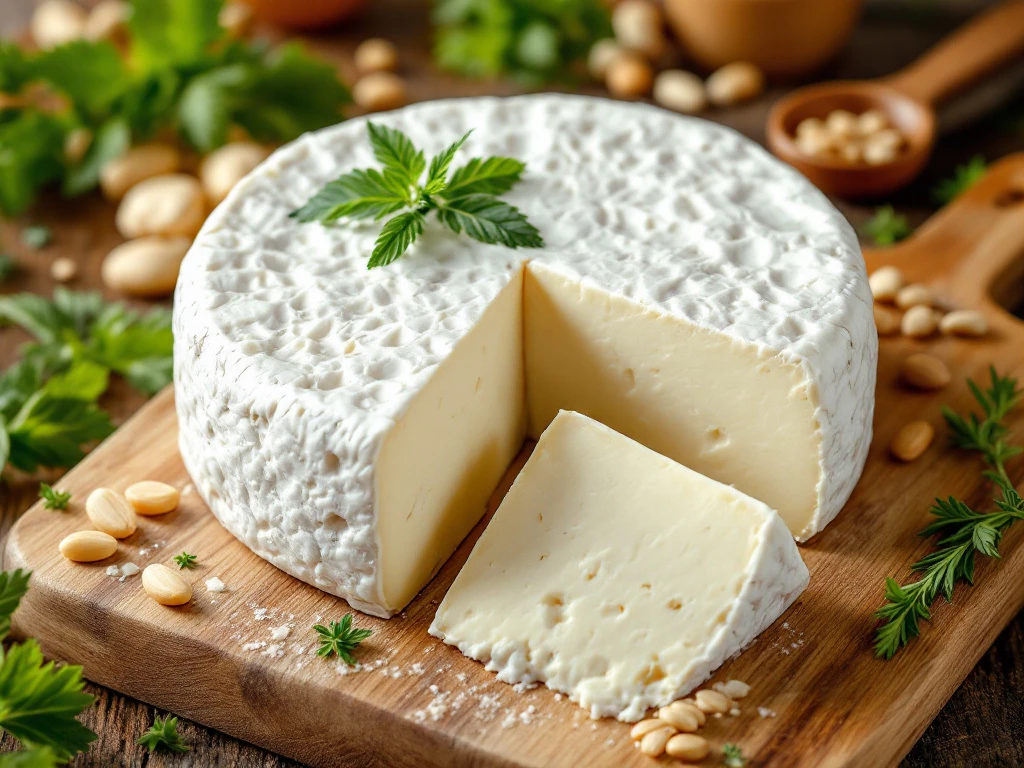
Goat cheese has between 70-130 calories per ounce (28g). This depends on the type and how it is made. Fresh goat cheese has about 75-80 calories per ounce. Aged types can have 100-130 calories because they have less water. The calories change based on how much fat is in the cheese. Our soft goat cheese has only 16% fat, so it is lighter. Knowing these differences helps you choose the right cheese for your daily meals.
How many calories are in different types of goat cheese?
Fresh goat cheese has about 75-80 calories per ounce. This makes it one of the lighter cheese choices. Soft, creamy types usually have 70-75 calories per ounce because they have more water. Aged goat cheeses like chèvre sec have 100-110 calories per ounce. Hard aged types can have 120-130 calories because water goes away during aging.
The amount you eat makes a big difference to your calories. One tablespoon of crumbled goat cheese (about 7-10g) has about 25-30 calories. A slice for sandwiches (20g) gives you 50-60 calories. Our goat cheese pieces come in 7g and 20g sizes. These help you count calories easily.
How you prepare the cheese also changes the calories. Fresh goat cheese rolls keep their normal calories. But baked or grilled cheese may have more calories as water goes away. Adding honey or herbs adds only a few calories – about 5-10 calories per serving for flavored types. Our natural and honey types have clear labels to help you track calories.
What’s the difference in calories between goat cheese and regular cheese?
Goat cheese usually has 20-40% fewer calories than cow’s milk cheeses. Fresh goat cheese has 75-80 calories per ounce. This is less than cream cheese (100 calories), cheddar (115 calories), and mozzarella (85 calories) per ounce. This happens because goat cheese has a special protein structure and smaller fat pieces. This makes it creamy with less fat.
The difference is bigger in aged cheeses. Aged goat cheese usually has 100-110 calories per ounce. Aged cheddar has 120-125 calories. Parmesan has about 122 calories per ounce. Hard aged goat cheese has 115-120 calories.
These differences happen for several reasons. Goat milk naturally has less fat than cow’s milk. This makes cheese with fewer calories. Goat cheese has a better protein-to-fat balance. This gives you more nutrition per calorie. Also, goat cheese often keeps more water during making. This reduces calories while keeping good taste and texture. Our traditional methods keep these natural benefits while making sure the quality is always good.
How does goat cheese fit into a calorie-conscious diet?
Goat cheese is an excellent protein source for low-calorie diets. It gives you 5-6 grams of protein per 75-80 calorie serving. This protein-to-calorie balance is better than many other cheeses. It helps you feel full while controlling calories. The smaller fat pieces in goat cheese are easier to digest. This may help your body use nutrients better without storing extra calories.
Controlling portions is easy with goat cheese because it has a strong taste. A small amount works well – just 20-30g can make a salad or sandwich taste great while adding only 50-75 calories. Our pre-cut products, including cheese pieces and balls, help you use the same amount each time. The crumbled type spreads evenly in dishes. This gives maximum taste while controlling calories.
When comparing protein sources, goat cheese gives good nutrition. Per 100 calories, you get about 7-8g of protein from goat cheese. This compares to 6g from whole eggs or 9g from chicken breast. Goat cheese has extra benefits – it gives you calcium, phosphorus, and B vitamins. This makes those calories more valuable for your health. You can use it in hot and cold dishes. This means you can eat it throughout the day without getting bored.
What makes goat cheese lower in calories than some other cheeses?
Goat cheese has fewer calories because of its special structure. The fat pieces in goat milk are naturally one-third the size of those in cow’s milk. This creates a creamy texture without needing extra fat. These smaller fat pieces mean less fat is needed to get the right consistency. This reduces calories by 15-20% compared to similar cow’s milk cheeses.
The protein structure in goat cheese is different from cow’s milk cheese. Goat milk has more medium-chain fatty acids. Your body processes these differently and they give fewer calories. The proteins form a looser structure that naturally keeps more water – up to 70% in fresh types compared to 55-60% in cow’s milk types. This higher water content effectively reduces calories per gram while keeping good portion sizes.
Our production methods make these natural benefits even better. The traditional slow-aging process we use lets enzymes develop complex tastes without adding calories through too much water loss. Fresh types keep 16-20% fat content compared to 25-35% in many cow’s milk cheeses. Even our aged goat cheeses rarely have more than 25% fat. The special protein structure keeps its shape without needing extra fat. This combination of natural composition and careful crafting results in tasty cheeses that support your health goals.
Understanding goat cheese calories helps you make smart food choices. From fresh spreads at 70 calories per ounce to aged types at 110 calories, goat cheese offers many options for every meal. Its good protein-to-calorie balance, combined with important nutrients and easy digestion, makes it a smart choice for healthy eating. Whether you’re managing weight, looking for quality protein, or simply enjoying delicious cheese, our range of traditional goat cheese products gives you options to meet your nutritional needs while delivering the real taste and quality our family business has perfected since 1995.