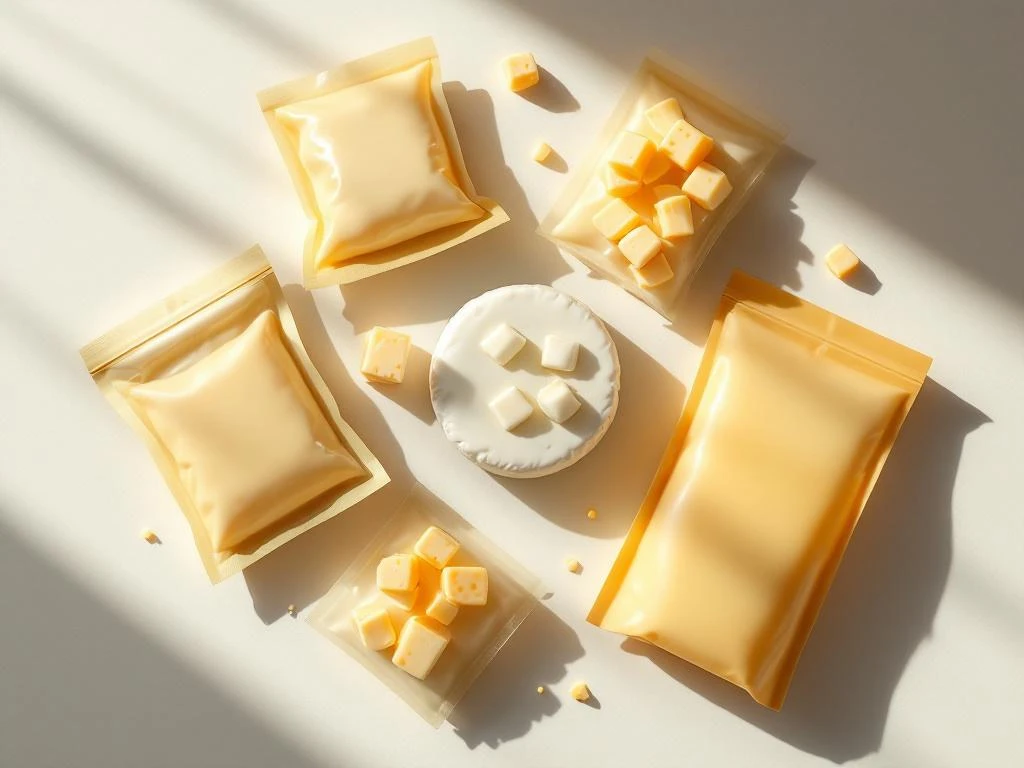
Flexible packaging formats benefit B2B cheese buyers by significantly reducing shipping costs, extending product shelf life, and offering customizable portion sizes that meet diverse operational needs. These modern packaging solutions, including vacuum-sealed pouches and modified atmosphere packaging, maintain cheese quality during transport while maximizing storage efficiency. For wholesale buyers in retail, foodservice, and industrial sectors, flexible packaging provides the adaptability needed to preserve delicate cheese varieties, particularly soft goat cheeses, while offering private label opportunities and reducing product waste.
What makes flexible packaging ideal for B2B cheese distribution?
Flexible packaging revolutionizes B2B cheese distribution through its remarkable ability to reduce shipping costs by up to 40% compared to rigid containers. The lightweight nature of vacuum-sealed pouches and resealable bags means more product can be transported per shipment, while the materials themselves provide superior protection against physical damage during transit.
The adaptability of flexible packaging cheese B2B solutions extends beyond mere transportation benefits. These packaging formats conform to various storage conditions, whether in temperature-controlled warehouses or compact retail coolers. Modified atmosphere packaging (MAP) technology creates an optimal environment within each package, replacing oxygen with protective gases that prevent spoilage and maintain cheese texture throughout the distribution chain.
Space efficiency represents another crucial advantage for wholesale operations. Flexible packages can be stacked more densely than rigid containers, allowing distributors to maximize warehouse capacity. This efficiency translates directly to cost savings, as businesses can store more inventory in the same footprint while maintaining easy access to products for order fulfillment.
How does flexible packaging extend shelf life for wholesale cheese buyers?
Advanced barrier properties in flexible packaging materials create an impenetrable shield against oxygen, moisture, and light exposure, the three primary factors that degrade cheese quality. Multi-layer films incorporate specialized polymers that block oxygen transmission while maintaining the perfect humidity levels essential for cheese preservation.
Modified atmosphere packaging techniques prove particularly effective for soft goat cheeses, which require precise gas mixtures to maintain their delicate texture and flavor profile. By replacing ambient air with carefully calibrated combinations of nitrogen and carbon dioxide, these packages create an environment that significantly slows bacterial growth and enzymatic reactions. This technology enables cheese packaging shelf life extensions of 30-50% compared to traditional packaging methods.
The economic impact of extended shelf life cannot be overstated for wholesale buyers. Reduced product waste means improved profit margins, while the ability to maintain larger inventories without spoilage risk provides greater flexibility in meeting customer demands. For businesses seeking to expand their market reach or explore wholesale cheese distribution opportunities, these packaging innovations remove many traditional barriers related to product perishability.
What does goat cheese taste like when packaged in flexible formats?
Goat cheese maintains its distinctive tangy, creamy flavor profile exceptionally well in flexible packaging, preserving the delicate balance of acidity and rich, smooth texture that defines quality artisanal varieties. The hermetic sealing prevents flavor contamination from external sources while maintaining the cheese’s natural moisture content.
The comparison between flexible packaging and traditional methods reveals significant advantages in taste retention. While paper-wrapped or wax-coated cheeses may develop surface drying or absorb unwanted flavors during storage, vacuum-sealed flexible formats lock in the characteristic goat milk notes that distinguish premium products. The subtle earthiness and clean finish remain intact from production facility to end user.
Temperature fluctuations during distribution pose minimal threat to flavor integrity when using flexible packaging. The materials’ insulating properties help maintain consistent internal temperatures, preventing the formation of condensation that can alter taste and texture. This stability ensures that whether served in fine dining establishments or retail delis, the cheese delivers the authentic flavor experience customers expect.
Which portion sizes work best for foodservice cheese buyers?
Optimal portion configurations for foodservice operations range from individual 25-gram servings for plated presentations to 1-kilogram bulk formats for high-volume kitchen applications. Restaurants typically prefer 200-500 gram packages that align with daily usage patterns, minimizing waste while ensuring freshness.
Pre-portioned packages deliver substantial labor savings by eliminating the need for kitchen staff to weigh and divide cheese during busy service periods. Hotels and catering operations particularly value these ready-to-use formats, which enable consistent portion control and simplified inventory management. The sealed nature of each portion also addresses critical food safety concerns by reducing cross-contamination risks in commercial kitchens.
B2B cheese portion control becomes significantly more accurate with flexible packaging options. Consider these popular configurations:
- Individual medallions (15-30g) for salad garnishes and appetizer plates
- Sliced portions (50-100g) for sandwich stations and burger toppings
- Crumbled formats (250-500g) for pizza and pasta applications
- Bulk logs (1-2kg) for high-volume slicing and preparation
Why do B2B buyers prefer customizable packaging solutions?
Customizable packaging solutions enable B2B buyers to differentiate their cheese offerings through unique branding, specialized sizes, and formats tailored to specific operational requirements. Private label opportunities with flexible packaging allow businesses to build their own brand identity while maintaining the quality assurance of established producers.
The versatility of wholesale cheese packaging formats extends to accommodating diverse market needs. A specialty cheese shop might request 150-gram packages with transparent windows to showcase product quality, while an industrial food processor may need 5-kilogram vacuum packs for efficient production line integration. This adaptability ensures each business receives packaging that optimizes their specific workflow.
Brand differentiation through custom packaging creates competitive advantages in crowded markets. Flexible packaging technologies support full-color printing, unique shapes, and innovative opening mechanisms that enhance user experience. Whether developing seasonal offerings or launching new product lines, businesses can quickly adapt packaging designs without the substantial investment required for rigid container tooling.
The ability to specify exact portion sizes, incorporate multilingual labeling, and include custom handling instructions makes flexible packaging particularly valuable for businesses serving diverse customer bases. This customization capability, combined with maintained product integrity throughout the supply chain, explains why forward-thinking B2B buyers increasingly choose flexible packaging solutions for their cheese procurement needs.
As the cheese industry continues evolving, flexible packaging formats stand at the forefront of innovation, offering B2B buyers unprecedented control over product quality, operational efficiency, and market differentiation. From extending shelf life to enabling custom branding opportunities, these modern packaging solutions address the complex challenges facing today’s wholesale cheese buyers while opening new possibilities for growth and customer satisfaction.
Related Articles
- How do you build a business case for a new cheese supplier to present to management?
- What do you do when a goat cheese puck supplier doesn't meet your quality requirements?
- How do you know if a goat cheese producer can meet your requirements in the long term?
- How do you assess whether an industrial curd supplier is ready for your volume?
- How to incorporate goat cheese into risotto?