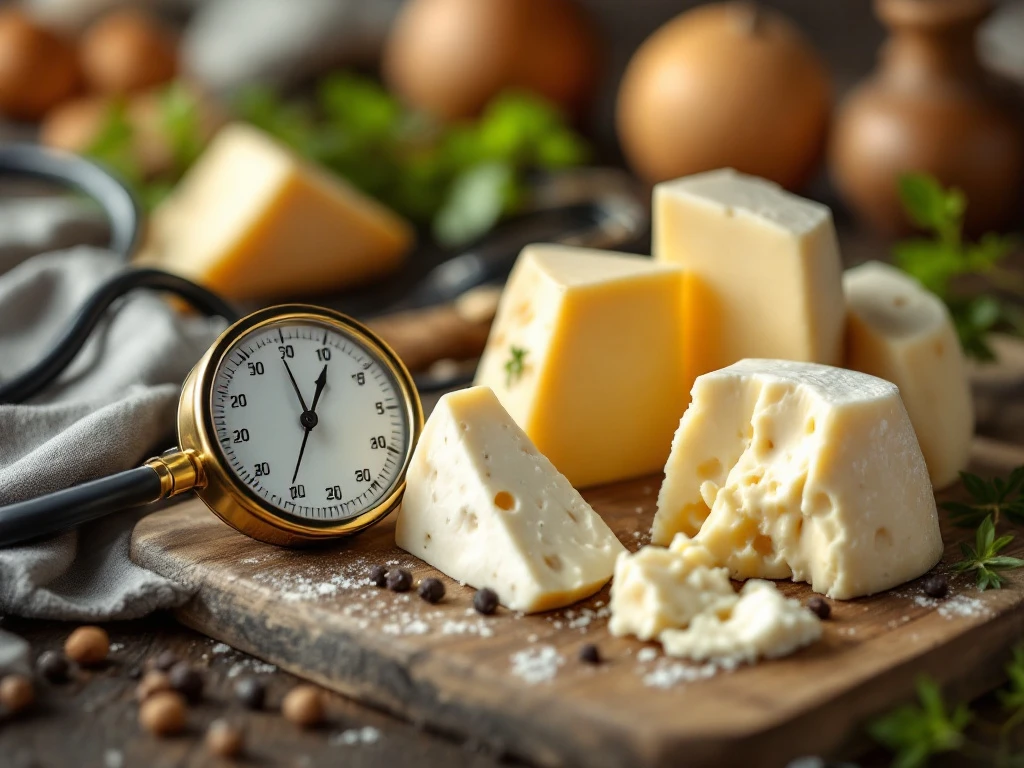
Goat cheese usually has less salt than many aged cow milk cheeses. Fresh goat cheese has about 70-150mg of salt per 30g serving. This moderate amount of salt adds to your daily intake, but goat cheese has special health benefits. It is easier to digest and has good fatty acids that may help heart health when you eat the right amounts. Learning how different goat cheese types affect blood pressure helps you make smart food choices.
Does goat cheese raise or lower blood pressure?
Goat cheese does not greatly raise or lower blood pressure when you eat normal amounts. A typical 30g serving of fresh goat cheese has 70-150mg of salt. This is 3-6% of the daily salt limit for people who need to control blood pressure. How it affects your heart depends mainly on how much you eat and what type of goat cheese you choose.
Fresh goat cheese types usually have less salt than aged cheeses. This makes them better for controlling blood pressure. Compared to regular cheddar or parmesan cheese, which can have 180-400mg of salt per serving, fresh goat cheese is a better choice. The immediate effects on your heart are small when you eat normal portions. But eating too much can add to your daily salt intake.
How often you eat it matters more than single servings. People who eat small amounts of goat cheese a few times per week usually have no bad effects on blood pressure. This works if they watch their overall salt intake. The important thing is to use goat cheese as a tasty addition, not as a main food. Use its special taste to make meals better without using too much salt.
What makes goat cheese different for people with high blood pressure?
Goat cheese has several special qualities that may help people with high blood pressure. The protein in goat milk is different from cow’s milk. It has smaller fat parts and different proteins that many people can digest more easily. This better digestion can reduce inflammation that sometimes causes heart stress.
The potassium-to-salt ratio in goat cheese gives another benefit. While salt levels change by type, goat cheese usually has good minerals like potassium, magnesium, and calcium. These help keep blood pressure healthy. Medium-chain fatty acids found naturally in goat milk work differently than long-chain fats. They may give heart benefits without affecting cholesterol levels the same way.
Our fresh goat cheese varieties keep these health benefits while being useful for meal planning. The naturally lower lactose content reduces stomach problems for many people. This lets them enjoy dairy benefits without discomfort. This combination of easier digestion, good fatty acid profile, and mineral content makes goat cheese a smart choice for people watching their heart health.
How much goat cheese can you eat with high blood pressure?
People managing high blood pressure can safely eat 30-60g of fresh goat cheese daily. This stays within heart-healthy salt limits. This equals about 2-4 tablespoons of soft goat cheese or 1-2 ounces of firmer types. Weekly consumption of 200-400g gives flexibility while keeping heart health goals.
Portion control becomes easier when you measure servings first. Our goat cheese pucks come in convenient 7g and 23g portions. This helps manage intake without guessing. Eating it throughout the week instead of large amounts at once helps keep salt levels steady. Eating it in the morning gives your body more time to process salt during the day.
Adding goat cheese to a heart-healthy diet needs balance with other foods. Pair smaller cheese portions with vegetables high in potassium, whole grains, and fresh herbs. Use goat cheese to add flavor instead of making it the main part. A small amount of our spreadable goat cheese adds richness to dishes without too much salt. Think about your total daily salt intake from all foods. Try to keep goat cheese under 10% of your daily limit.
Which types of goat cheese are best for blood pressure management?
Fresh goat cheese varieties have the lowest salt levels. This makes them perfect for blood pressure management. Soft, spreadable types usually have 70-100mg of salt per serving. Aged hard goat cheeses can have 200-300mg or more. Our fresh goat cheese rolls and spreadable varieties offer great flavor with minimal salt impact.
When choosing goat cheese, look at labels carefully for salt content per serving. Fresh chèvre-style cheeses are usually the best option. Feta-style goat cheese often has higher salt levels because of how it is made in salt water. Aged goat cheeses have more concentrated salt as water evaporates during aging. This makes them less suitable for strict salt management.
How cheese is made greatly affects salt content. Traditional fresh cheese-making needs little salt. Aged varieties need more for preservation and flavor development. Our goat cheese crumbles help with portion control. You can sprinkle small amounts for maximum flavor impact. Choose natural varieties over flavored options, as added ingredients often increase salt content. Fresh goat cheese packed in water usually has less salt than vacuum-sealed varieties.
What are healthier ways to enjoy goat cheese without affecting blood pressure?
Get the most goat cheese flavor while using less salt by pairing with foods high in potassium. Spread a thin layer of goat cheese on whole grain crackers topped with sliced tomatoes. Or crumble small amounts over roasted vegetables. These combinations help balance salt with good minerals that support healthy blood pressure.
Creative cooking methods improve taste without adding salt. Mix fresh herbs like basil, oregano, or dill into spreadable goat cheese for complex flavors. Blend goat cheese with roasted garlic, lemon zest, or black pepper to create satisfying spreads. Our goat cheese pearls in herbs and spices provide pre-seasoned options. These remove the need for additional salt while giving exceptional taste.
Recipe changes can keep satisfaction while supporting heart health. Replace half the cheese in recipes with our lighter spreadable varieties. Or use goat cheese as a finishing touch rather than a main ingredient. Warm goat cheese slightly to improve its creamy texture and flavor. This allows you to use less. Combine with heart-healthy ingredients like walnuts, olive oil, and fresh vegetables. This creates balanced dishes that support your blood pressure management goals while celebrating the special taste of quality goat cheese.
Managing blood pressure doesn’t mean giving up favorite foods like goat cheese. By choosing fresh varieties, controlling portions, and using creative cooking methods, you can enjoy the unique flavor and health benefits of goat cheese in a heart-healthy diet. Focus on quality over quantity. Select artisanal products that give maximum taste in smaller servings. For those looking for premium goat cheese options that work with health-conscious choices, we offer a range of fresh and specialty varieties. These are made with traditional methods and modern nutritional awareness.