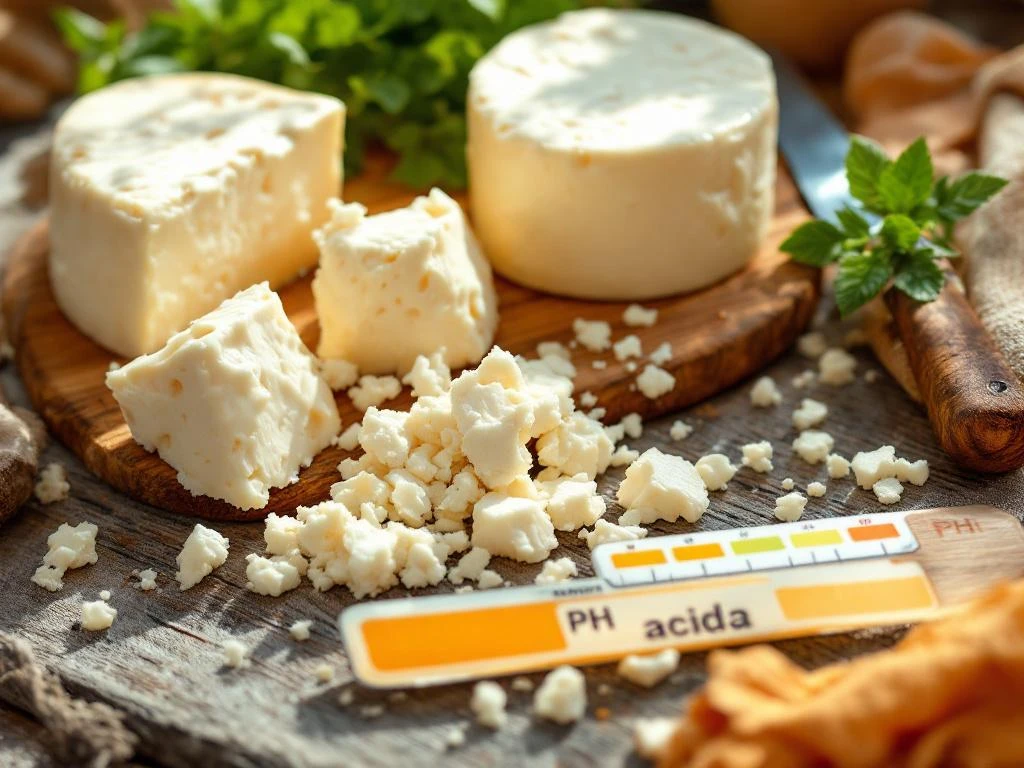
Yes, goat cheese is naturally acidic, with fresh varieties typically having a pH range of 4.5 to 5.5, making it more acidic than many cow’s milk cheeses. This characteristic acidity results from the natural fermentation process and the unique protein structure of goat milk, contributing to its distinctive tangy flavour and creamy texture that food professionals value for various culinary applications.
Understanding goat cheese acidity: What food professionals need to know
For B2B customers in retail, foodservice, and food processing industries, understanding goat cheese acidity is crucial for making informed purchasing decisions and developing successful products. Acidity levels directly impact product selection criteria, from determining shelf life and storage requirements to influencing menu development and manufacturing processes.
The pH level of goat cheese affects its functionality in different applications, whether you’re a specialty cheese retailer seeking products with optimal shelf stability, a restaurant developing innovative menu items, or a food manufacturer incorporating goat cheese into prepared meals. Understanding these acidity characteristics helps professionals select the right cheese varieties for their specific needs, ensuring consistent quality and customer satisfaction.
Moreover, acidity plays a vital role in pairing possibilities, melting properties, and overall product performance. This knowledge enables industry buyers to anticipate how different goat cheese varieties will behave in various culinary applications, from cold preparations like salads and sandwiches to hot dishes requiring specific melting characteristics.
Is goat cheese more acidic than cow milk cheese?
Fresh goat cheese is generally more acidic than cow’s milk cheese, with pH levels ranging from 4.5 to 5.5 compared to the typical 5.0 to 6.0 range found in many cow’s milk cheeses. This difference in acidity contributes to goat cheese’s characteristic tangy flavour profile and affects its texture, spreadability, and culinary applications.
Several factors influence these acidity levels, including production methods, aging processes, and the inherent properties of goat milk itself. Fresh goat cheese varieties, such as spreadable formats and fresh rolls, tend to be at the lower end of the pH scale, while aged and ripened goat cheeses may have slightly higher pH levels as they mature. The traditional production methods employed by artisanal producers help preserve these natural acidity levels while developing complex flavour profiles.
For industry professionals, this acidity difference means goat cheese offers unique advantages in certain applications. The lower pH provides natural preservation benefits, potentially extending shelf life in fresh preparations, while also contributing to the cheese’s ability to cut through rich flavours in culinary applications.
What makes goat cheese naturally acidic?
The natural acidity of goat cheese stems from the fermentation process involving lactic acid bacteria, which convert lactose into lactic acid during cheese production. This biological process, combined with goat milk’s unique protein structure and lower casein content compared to cow’s milk, creates an environment that naturally promotes acidification.
Traditional production methods play a crucial role in developing and maintaining optimal acidity levels. During the cheese-making process, carefully selected starter cultures work to acidify the milk at controlled temperatures, creating the characteristic texture and flavour profile. The natural fat and protein content of goat milk, when processed using time-honoured techniques, results in products with consistent acidity that enhances both taste and functionality.
Additionally, goat milk contains different proportions of fatty acids and proteins compared to cow’s milk, which influences how quickly and thoroughly acidification occurs. These compositional differences mean that goat cheese develops its signature tangy notes more readily, making it a preferred choice for applications where a bright, fresh flavour is desired.
How does acidity affect goat cheese taste and texture?
Acidity fundamentally shapes both the sensory experience and functional properties of goat cheese. The pH level directly influences the tangy, bright flavour profile that distinguishes goat cheese from other varieties, while simultaneously affecting its creamy texture and spreadability. Lower pH levels result in a more pronounced tang and a smoother, more spreadable consistency, making fresh goat cheese ideal for applications ranging from sandwich spreads to sauce bases.
From a practical standpoint, acidity impacts several key characteristics important to food professionals:
- Shelf life: Higher acidity provides natural preservation, inhibiting unwanted bacterial growth
- Melting properties: pH levels affect how the cheese behaves when heated, influencing its use in hot applications like pizzas and oven dishes
- Pairing possibilities: The bright acidity complements rich foods and cuts through fatty flavours
- Texture stability: Proper pH levels maintain the desired consistency throughout storage and use
For culinary applications, understanding these relationships helps professionals select the right goat cheese variety. Fresh, highly acidic varieties work excellently in cold preparations and as finishing touches, while slightly less acidic aged varieties may perform better in cooked applications where controlled melting is desired.
Which types of goat cheese have different acidity levels?
Different goat cheese varieties exhibit varying acidity levels based on their production methods and aging processes. Fresh goat cheese products, including spreadable varieties and fresh rolls, typically have the highest acidity levels, falling within the 4.5 to 5.0 pH range. These products offer the most pronounced tangy flavour and are ideal for industrial processing applications requiring consistent acidity.
Ripened and aged goat cheeses undergo changes in acidity as they mature. Goat brie and other surface-ripened varieties develop a white mould layer that gradually reduces acidity from the outside in, creating a pH gradient that ranges from 5.5 to 6.5 at full ripeness. This results in a more complex flavour profile, transitioning from tangy and firm when young to creamy and mellow when fully ripened.
Specialty goat cheese products offer unique acidity profiles suited to specific applications:
- Goat cheese crumbles maintain moderate acidity for balanced flavour in salads and hot dishes
- Marinated goat cheese pearls in oil may have adjusted pH levels for extended shelf life
- Flavoured varieties with herbs, honey, or other additions can have modified acidity levels
Key takeaways about goat cheese acidity for industry buyers
For retail buyers, understanding goat cheese acidity helps in selecting products that meet customer preferences and storage requirements. Fresh, high-acidity goat cheeses offer excellent shelf stability and bold flavours that appeal to health-conscious consumers, while aged varieties with moderated acidity provide options for customers seeking milder, more complex flavours.
Foodservice professionals should consider acidity when planning menu applications. High-acidity fresh goat cheese works brilliantly in cold preparations, salads, and as a finishing element, while products with moderate acidity perform better in cooked applications where controlled melting and integration are essential. The natural preservation properties of acidic goat cheese also support food safety protocols in professional kitchens.
Food manufacturers benefit from understanding how acidity affects processing stability and final product quality. When incorporating goat cheese into prepared foods, meal kits, or industrial applications, selecting varieties with appropriate pH levels ensures consistent results, optimal shelf life, and desired flavour profiles. The versatility of goat cheese across different acidity levels makes it an excellent ingredient for innovative product development, from traditional applications to contemporary culinary creations.