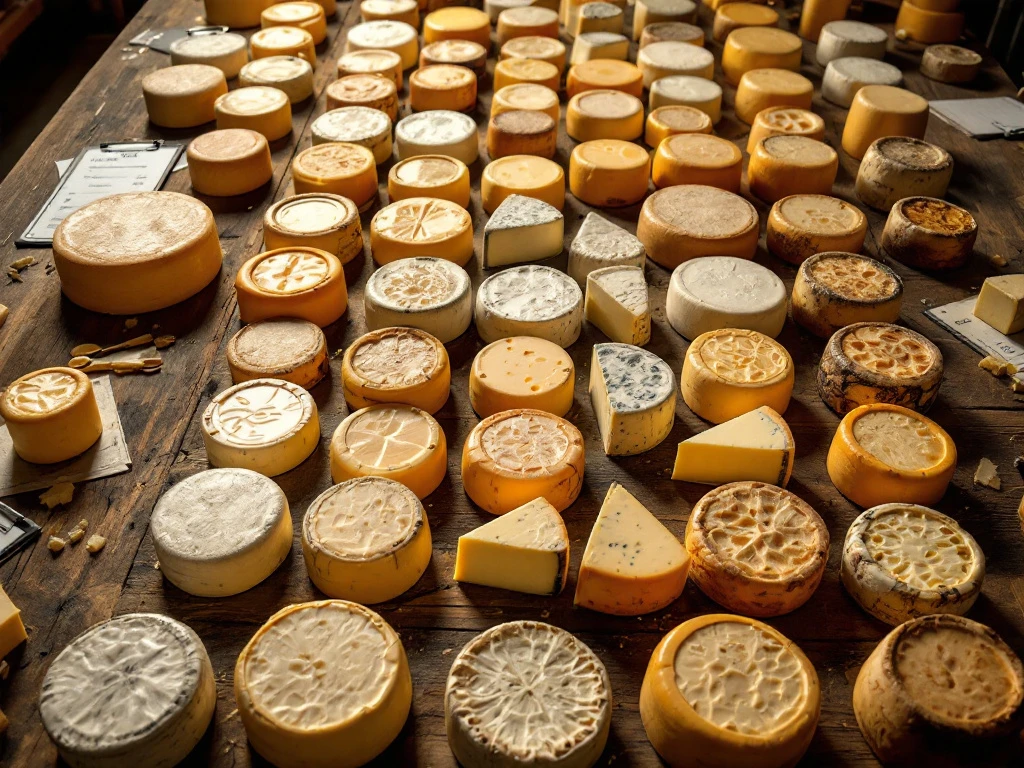
Wholesale goat cheese minimum order quantities typically range from 10-50 kg for specialty producers to full pallet quantities (500-1000 kg) for larger commercial operations. Fresh goat cheese often requires smaller minimums due to shorter shelf life, while aged varieties allow for larger orders. International shipments generally demand higher MOQs to justify transportation costs and customs processing. Understanding these requirements helps buyers plan purchases effectively and negotiate better terms with suppliers.
What are typical minimum order quantities for wholesale goat cheese?
Standard MOQs for wholesale goat cheese vary significantly based on the supplier and product type. Artisanal producers typically require 10-50 kg minimum orders, while industrial suppliers often set minimums at 100-500 kg or full pallet quantities. Fresh goat cheese usually has lower minimums due to its 14-21 day shelf life, with many suppliers accepting orders as small as 10-20 kg for local delivery.
For specialty formats like goat cheese crumbles or spreads, minimums often start at 5 kg for foodservice packaging or 48 units for retail-ready products. Ripened goat cheeses such as aged logs or goat brie typically require 20-50 kg minimum orders, as these products have extended shelf life and better shipping stability. International orders generally demand significantly higher quantities, often starting at 500 kg or one full pallet to offset shipping costs and documentation requirements.
The packaging format also influences minimum quantities. Bulk packaging for the processing industry often requires larger commitments, while pre-portioned retail or foodservice packs may have more flexible minimums. Many suppliers offer mixed product orders to help buyers meet minimum thresholds while maintaining variety in their selection.
Why do goat cheese suppliers set minimum order requirements?
Suppliers establish MOQs primarily to ensure production efficiency and economic viability. Goat cheese production involves significant setup costs, including equipment sanitisation, pasteurisation processes, and quality testing procedures. These fixed costs remain constant whether producing 10 kg or 100 kg, making smaller orders economically challenging for producers to fulfil profitably.
The artisanal nature of goat cheese production particularly impacts minimum requirements. Unlike mass-produced cheeses, traditional goat cheese requires careful handling, specific temperature controls, and often manual processing steps. Each production run demands the same labour intensity and quality control measures regardless of batch size. Additionally, packaging materials are typically purchased in bulk quantities, creating natural minimums based on packaging availability.
Fresh goat cheese presents unique challenges due to its perishable nature and limited production windows. Producers must balance milk availability, which fluctuates seasonally, with customer demand while maintaining product freshness. This delicate timing makes it impractical to produce very small batches on demand. Furthermore, logistics costs for refrigerated transport and the administrative burden of processing orders create a threshold below which orders become unprofitable.
How do MOQs differ between fresh and aged goat cheese varieties?
Fresh goat cheese typically has lower minimum order quantities compared to aged varieties, often starting at 10-20 kg for local markets. This reflects the product’s shorter shelf life of 2-3 weeks and the need for rapid turnover. Fresh varieties like spreadable goat cheese or fresh logs must move quickly through the supply chain, encouraging suppliers to accept smaller, more frequent orders rather than risk product spoilage.
Aged goat cheeses, including ripened logs and goat brie, generally require higher minimums of 25-50 kg or more. These products benefit from extended shelf life, often 6-12 weeks for properly aged varieties, allowing for larger order quantities and less frequent deliveries. The maturation process itself requires significant storage space and time investment, making it more economical for producers to sell in larger batches.
Product format creates additional variations in minimum requirements. Fresh goat cheese crumbles might have minimums as low as 5 kg for foodservice applications, while whole aged wheels could require orders of 50-100 kg. Speciality items like goat cheese pearls in oil often have intermediate minimums around 20-30 kg, balancing shelf stability with production efficiency. Storage requirements also play a crucial role, as aged cheeses need controlled temperature and humidity conditions that favour bulk handling over small-batch logistics.
What factors influence wholesale goat cheese minimum orders?
Seasonal production cycles significantly impact MOQ requirements throughout the year. Goat milk production naturally fluctuates, with peak availability during spring and early summer months. During high production periods, suppliers may reduce minimums to move inventory, while winter months often see increased MOQs due to limited milk supply. This seasonality particularly affects fresh goat cheese availability and pricing structures.
Custom packaging and private label requirements substantially increase minimum orders. Standard packaging might allow for 10 kg minimums, but custom-printed packaging or specific portion sizes often require commitments of 100-500 kg to justify setup costs. Certification requirements such as organic, kosher, or halal standards may also necessitate larger production runs to cover additional testing and documentation expenses.
Geographic location and delivery logistics create varying MOQ thresholds across different markets. Local deliveries within 100 km might accommodate smaller 10-20 kg orders, while cross-border shipments typically require full pallet quantities. Payment terms also influence minimums, with suppliers often offering lower MOQs for established accounts with favourable payment histories. Additionally, order frequency plays a crucial role – weekly standing orders might qualify for reduced minimums compared to sporadic purchases.
How can buyers negotiate better minimum order quantities?
Long-term contracts provide the most effective leverage for reducing MOQs. Committing to regular purchases over 6-12 months demonstrates reliability and allows suppliers to plan production more efficiently. Many producers will reduce minimums by 30-50% for contracted volumes, as guaranteed business offsets the inefficiencies of smaller individual orders. Buyers should propose specific volume commitments across multiple deliveries rather than focusing solely on per-order minimums.
Mixed product orders offer another strategic approach to meeting minimum thresholds while maintaining variety. Rather than ordering 50 kg of one cheese type, buyers can often combine different varieties to reach the required minimum. This works particularly well when ordering from producers with diverse product lines, such as combining fresh goat cheese with ripened varieties or different flavour profiles. Scheduled delivery programs that align with production cycles can also unlock flexibility in order quantities.
Building strong supplier relationships through consistent communication and reliable payment practices often leads to more flexible terms over time. Participating in new product trials, providing market feedback, and maintaining open dialogue about business needs helps establish partnership rather than purely transactional relationships. Some buyers successfully reduce MOQs by coordinating orders with other businesses in their area, effectively creating buying groups that benefit from combined volumes while maintaining individual business autonomy.
Understanding the wholesale goat cheese market requires recognising how minimum order quantities reflect the delicate balance between artisanal production methods and commercial viability. Whether sourcing fresh spreads for immediate use or aged varieties for extended menu applications, buyers who align their purchasing strategies with production realities achieve better pricing and terms. As the specialty cheese market continues to evolve, flexibility and partnership between producers and buyers remain essential for success. For those seeking premium goat cheese with adaptable ordering options, exploring suppliers who understand both traditional craftsmanship and modern business needs provides the best foundation for long-term sourcing relationships.
Related Articles
- How do you create an emergency plan for cheese supply during supply chain disruptions?
- What import risks do you face with goat cheese from outside the Netherlands?
- What does EC accreditation mean for an industrial goat cheese producer?
- What are cold chain requirements for goat cheese transport?
- How to eat goat cheese?