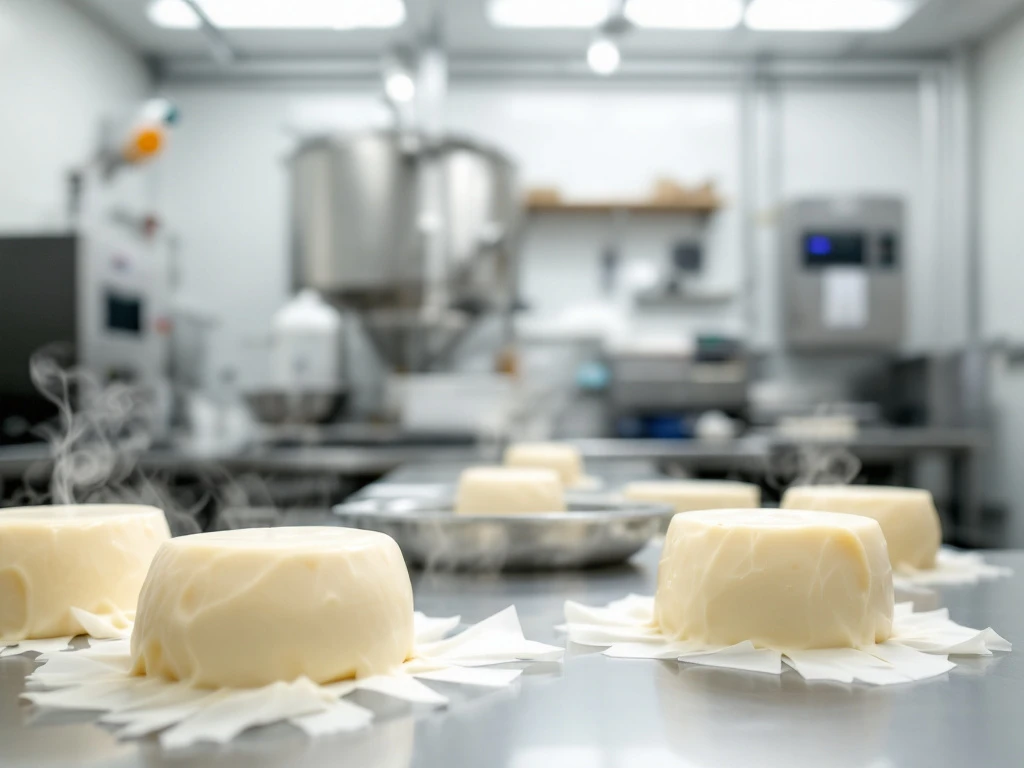
HACCP compliance for goat cheese suppliers means implementing a systematic preventive approach to food safety that identifies and controls physical, chemical, and biological hazards throughout the production process. This internationally recognised system requires suppliers to analyse potential risks, establish critical control points, and maintain comprehensive documentation to ensure consistent product safety. For goat cheese producers, HACCP compliance is particularly crucial due to the unique characteristics of goat milk and the specific requirements of cheese manufacturing processes.
What exactly is HACCP and why does it matter for goat cheese production?
HACCP (Hazard Analysis and Critical Control Points) is a preventive food safety management system that identifies potential hazards in goat cheese production and establishes control measures at critical points. For goat cheese manufacturers, this means systematically analysing every step from milk reception through to final product distribution, identifying where contamination or quality issues could occur, and implementing specific controls to prevent these problems.
The system matters particularly for goat cheese production because goat milk has distinct properties that require careful handling. Goat milk’s smaller fat globules and different protein structure make it more susceptible to certain quality changes during processing. The milk’s natural composition can vary significantly based on seasonal factors, feed quality, and lactation stages, requiring producers to maintain strict control measures throughout the cheese-making process.
HACCP provides a structured framework that helps goat cheese suppliers manage these unique challenges whilst meeting regulatory requirements and customer expectations. The system focuses on prevention rather than end-product testing, which is especially valuable in artisanal cheese production where traditional methods must align with modern food safety standards. This proactive approach helps maintain the delicate balance between preserving traditional cheese-making techniques and ensuring consistent product safety.
What are the seven HACCP principles goat cheese suppliers must follow?
The seven HACCP principles provide a comprehensive framework for goat cheese safety management. These principles work together to create a robust system that prevents contamination and ensures consistent quality throughout production. Each principle builds upon the previous ones, creating multiple layers of protection against food safety hazards.
Conducting hazard analysis forms the foundation of HACCP implementation. Goat cheese producers must identify biological hazards like Listeria monocytogenes and Salmonella, chemical hazards from cleaning agents or veterinary residues, and physical hazards such as metal fragments from equipment. This analysis covers every step from milk reception through packaging and distribution.
Determining critical control points (CCPs) involves identifying steps where hazards can be prevented, eliminated, or reduced to safe levels. In goat cheese production, typical CCPs include pasteurisation temperature and time, starter culture addition, pH monitoring during acidification, salt concentration in brining, and temperature control during ageing. Each CCP represents a point where loss of control could result in an unacceptable food safety risk.
Establishing critical limits means setting measurable parameters for each CCP. For pasteurisation, this might be 72°C for 15 seconds. For fresh goat cheese, pH limits typically range between 4.4 and 4.6. Ageing room temperatures must stay between 10-14°C with humidity levels of 85-95% for proper ripening whilst preventing unwanted bacterial growth.
Monitoring procedures ensure CCPs remain under control through scheduled observations and measurements. This includes continuous temperature recording during pasteurisation, hourly pH checks during acidification, and daily monitoring of ageing room conditions. Digital monitoring systems provide real-time data and automatic alerts when parameters approach critical limits.
Corrective actions address deviations from critical limits immediately. If pasteurisation temperature drops below the critical limit, the batch must be reprocessed or discarded. Products outside pH specifications require adjustment or disposal. Clear procedures ensure staff know exactly what actions to take, who to notify, and how to document the incident.
Verification procedures confirm the HACCP system works effectively through activities like calibrating monitoring equipment, reviewing records, and conducting internal audits. Third-party laboratory testing of finished products provides additional verification that control measures successfully prevent hazards.
Record-keeping and documentation create a comprehensive paper trail demonstrating HACCP compliance. Records include hazard analysis worksheets, CCP monitoring logs, corrective action reports, verification activities, and training documentation. These records prove due diligence and support continuous improvement efforts.
How does HACCP compliance benefit both suppliers and their B2B customers?
HACCP compliance delivers substantial benefits for goat cheese suppliers by reducing contamination risks, minimising product recalls, and improving operational efficiency through standardised procedures. The system creates predictable outcomes and consistent quality that build trust with B2B customers whilst opening doors to new markets, particularly international ones requiring HACCP certification.
For suppliers, enhanced food safety assurance translates directly into business protection. HACCP implementation typically reduces quality complaints by identifying and addressing potential issues before products leave the facility. The systematic approach improves production efficiency as staff follow clearly defined procedures, reducing waste and rework. Documentation requirements create valuable operational data that supports continuous improvement and cost reduction initiatives.
B2B customers gain confidence knowing their goat cheese supplier maintains rigorous food safety standards. Retailers can assure consumers about product safety, whilst foodservice operators reduce their liability exposure. Industrial processors benefit from consistent product specifications that ensure reliable performance in further processing applications. The comprehensive documentation trail simplifies supplier audits and supports customers’ own quality assurance programmes.
Market access represents another significant advantage. Many international markets require HACCP certification for dairy imports. Major retail chains and foodservice companies increasingly demand HACCP compliance from suppliers as part of their vendor requirements. This certification often serves as a differentiator when competing for contracts, particularly with quality-conscious customers seeking reliable partners for long-term relationships.
The competitive advantages extend beyond basic compliance. HACCP-certified suppliers demonstrate professionalism and commitment to quality that resonates with sophisticated B2B buyers. The system’s emphasis on continuous improvement helps suppliers stay ahead of evolving food safety requirements and customer expectations. This proactive stance positions suppliers as industry leaders rather than followers.
What specific challenges do goat cheese producers face with HACCP implementation?
Goat cheese producers encounter unique HACCP implementation challenges stemming from seasonal milk supply variations, which can affect up to 40% of annual production capacity. These fluctuations require flexible HACCP protocols that maintain consistent safety standards whilst accommodating significant volume changes throughout the year.
Temperature control presents particular difficulties in goat cheese production. Goat milk’s heat sensitivity requires precise pasteurisation parameters to preserve its delicate flavour whilst ensuring safety. The milk’s tendency to develop off-flavours when overheated means producers must maintain tighter temperature tolerances than required for cow’s milk cheese. This precision extends through the entire production process, from initial milk handling through cheese ageing.
Managing different ageing processes within a single facility creates complexity for HACCP systems. Fresh goat cheese requires different environmental controls than aged varieties, whilst surface-ripened cheeses need specific humidity and airflow conditions. Cross-contamination risks between different cheese types demand careful facility design and operational procedures. Producers must establish separate zones or implement strict temporal separation to prevent unwanted microbial transfer.
Environmental control in ripening rooms poses ongoing challenges. Maintaining precise temperature and humidity levels whilst preventing unwanted mould growth requires sophisticated monitoring systems and rapid response capabilities. Natural seasonal variations affect ripening room conditions, requiring constant adjustment of control parameters. The presence of beneficial cultures alongside the need to exclude pathogens creates a delicate balance that HACCP procedures must address.
Balancing traditional production methods with HACCP requirements often creates tension. Artisanal techniques passed down through generations may conflict with standardised HACCP procedures. Wooden ageing boards, traditional brining methods, and natural cave ageing all present potential hazard points that require creative solutions to maintain authenticity whilst ensuring safety. Innovation in product development must also align with established HACCP protocols, requiring updates to hazard analyses and control procedures for each new product variation.
How can goat cheese suppliers successfully implement and maintain HACCP compliance?
Successful HACCP implementation begins with forming a multidisciplinary team including production managers, quality assurance staff, and operational personnel who understand goat cheese manufacturing processes. This team should receive comprehensive HACCP training from recognised providers, ensuring everyone understands both general principles and dairy-specific applications before beginning system development.
Facility assessment forms the critical foundation for HACCP implementation. Suppliers must evaluate their current operations against HACCP requirements, identifying gaps in infrastructure, equipment, or procedures. This assessment typically reveals needs for improved temperature monitoring equipment, enhanced cleaning and sanitisation protocols, or facility modifications to prevent cross-contamination. Creating a detailed facility flow diagram helps visualise product movement and identify potential hazard introduction points.
Documentation development requires creating comprehensive yet practical procedures that staff can follow consistently. Standard operating procedures must cover every aspect of production, from milk reception through final product dispatch. Monitoring forms should capture essential data without creating excessive paperwork burden. The documentation system must balance thoroughness with usability, ensuring staff compliance whilst maintaining detailed records for verification.
Establishing robust monitoring systems involves selecting appropriate equipment and defining monitoring frequencies. Continuous temperature recorders for pasteurisation and cold storage provide automated documentation. pH metres require daily calibration and regular replacement to ensure accuracy. Environmental monitoring in production and ageing areas helps verify cleaning effectiveness and prevent contamination. The monitoring system should generate alerts for out-of-specification results, enabling rapid corrective action.
Internal audits verify HACCP effectiveness and identify improvement opportunities. Monthly audits of critical control points ensure procedures are followed correctly. Quarterly system reviews assess whether the HACCP plan remains current with actual operations. Annual third-party audits provide independent verification and often reveal blind spots missed by internal reviews. These audits should generate specific action items with defined timelines and responsible parties.
Preparing for certification requires demonstrating at least three months of consistent HACCP implementation. Certification bodies will review documentation, observe operations, and interview staff to verify system effectiveness. Pre-assessment audits help identify and correct deficiencies before the official certification audit. Many suppliers find value in pursuing integrated certification combining HACCP with other standards like IFS, creating a comprehensive food safety management system that meets multiple customer requirements whilst avoiding duplication of effort.
Maintaining HACCP compliance demands ongoing commitment beyond initial certification. Regular training updates keep staff current with procedures and reinforce the importance of food safety. System reviews must incorporate changes in products, processes, or regulations. Continuous improvement initiatives driven by audit findings, customer feedback, and industry developments ensure the HACCP system remains effective and relevant. This ongoing maintenance, whilst requiring resources, ultimately strengthens the business by preventing costly food safety incidents and building lasting customer confidence.
Understanding and implementing HACCP compliance represents a significant investment for goat cheese suppliers, but the returns in terms of product safety, market access, and customer confidence make it essential for sustainable business growth. As food safety requirements continue to evolve and B2B customers demand ever-higher standards, HACCP provides the framework for meeting these challenges whilst maintaining the quality and tradition that make goat cheese special. For suppliers ready to embrace this systematic approach to food safety, HACCP certification opens doors to new opportunities and partnerships in the growing specialty cheese market.
Related Articles
- What role do export figures play in evaluating a cheese producer?
- What are red flags when first contacting a potential cheese supplier?
- What is the shelf life of goat cheese crumbles after thawing?
- Why is goat cheese part of premium positioning?
- How to position goat cheese as premium product in foodservice?