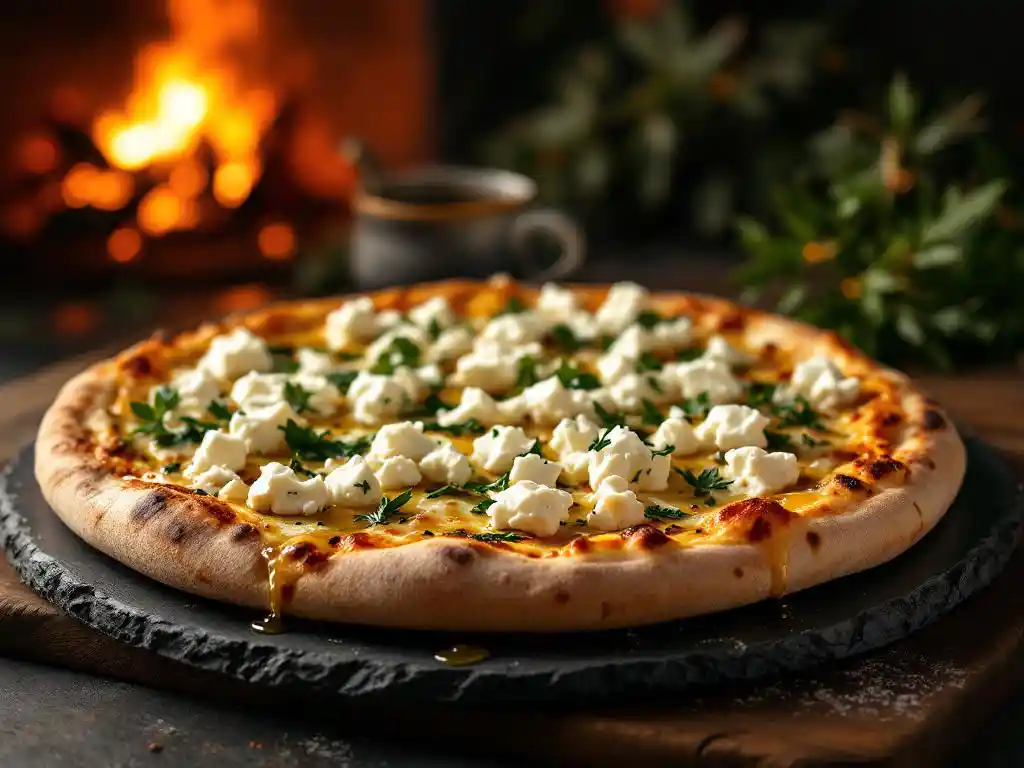
Goat cheese transforms ready-made pizzas from everyday convenience foods into premium culinary experiences. This distinctive ingredient elevates product positioning through its sophisticated flavour profile, artisanal appeal, and ability to command higher price points in the competitive frozen food market. Pizza manufacturers increasingly recognise goat cheese as a strategic ingredient for differentiating their products and capturing premium market segments.
What makes goat cheese a premium ingredient for ready-made pizzas?
Goat cheese brings unique qualities that instantly elevate ready-made pizzas above standard offerings. Its creamy texture melts beautifully while maintaining distinct character, creating visual appeal with characteristic white patches that signal quality. The tangy, slightly earthy flavour profile adds complexity that transforms simple pizzas into gourmet experiences.
The artisanal nature of goat cheese resonates strongly with modern consumers seeking authentic, craft-quality foods. Unlike mass-produced mozzarella, goat cheese carries connotations of traditional farming, small-scale production, and European culinary sophistication. This perception allows manufacturers to position their pizzas as premium products worthy of special occasions rather than quick weeknight meals.
Ready-made pizza producers find that goat cheese creates immediate product differentiation on crowded retail shelves. The ingredient signals quality through both packaging callouts and visible cheese appearance after cooking. Premium positioning becomes achievable simply through ingredient selection, without requiring extensive recipe reformulation or production changes.
How does goat cheese impact consumer perception of frozen pizza quality?
Consumer research consistently shows that the presence of goat cheese dramatically shifts quality perceptions of frozen pizzas. Shoppers associate goat cheese with restaurant-quality dishes, artisanal preparation, and sophisticated taste preferences. This psychological impact translates directly into willingness to pay premium prices for what might otherwise be considered ordinary convenience food.
The price justification becomes straightforward when goat cheese appears prominently on packaging and in product descriptions. Consumers expect to pay more for speciality cheeses, making price increases feel logical rather than arbitrary. Retailers report that goat cheese pizzas successfully occupy premium shelf positions typically reserved for gourmet or organic options.
Brand positioning opportunities expand significantly with the inclusion of goat cheese. Manufacturers can credibly market their products alongside artisanal foods, targeting affluent consumers who prioritise quality over convenience. The ingredient enables storytelling about craftsmanship, tradition, and culinary expertise that resonates with premium-seeking shoppers.
Purchase decisions shift from price comparison to quality evaluation when goat cheese features prominently. Consumers spend more time considering these products, reading ingredient lists, and imagining serving scenarios. This increased engagement often leads to trial purchases despite higher prices.
What are the technical advantages of using goat cheese in pizza production?
Goat cheese offers exceptional melting characteristics that benefit industrial pizza production. Its lower melting point compared to cow’s milk cheeses ensures even distribution during baking, while its unique protein structure prevents excessive browning. The cheese maintains a creamy consistency without becoming rubbery or separating, which is crucial for maintaining quality through freezing and reheating cycles.
Moisture content management becomes easier with goat cheese due to its naturally lower moisture levels than fresh mozzarella. This characteristic reduces sogginess issues common in frozen pizzas, maintaining crust crispness during storage and reheating. The controlled moisture also extends shelf life by reducing ice crystal formation and freezer burn.
Production line compatibility proves excellent for most goat cheese varieties. The cheese crumbles easily for automated portioning systems, spreads well during application, and adheres properly to other toppings. Freeze-thaw stability surpasses many traditional pizza cheeses, maintaining texture and flavour through multiple temperature changes during distribution.
Compared to mozzarella, goat cheese requires a smaller quantity to achieve flavour impact, potentially reducing overall cheese costs despite higher per-kilogram pricing. Its strong flavour profile means modest portions deliver satisfaction, while its white colour provides visual contrast that makes pizzas appear more generously topped.
Which goat cheese varieties work best for different pizza styles?
Fresh goat cheese suits Mediterranean-style pizzas featuring vegetables, herbs, and lighter toppings. Its spreadable consistency works beautifully as a base layer, creating creamy pockets that complement roasted peppers, spinach, or caramelised onions. This variety maintains moisture without overwhelming delicate flavours.
Aged goat cheese varieties bring sharper, more complex flavours that are ideal for bold pizza combinations. Semi-hard aged options crumble perfectly over pizzas featuring cured meats, strong vegetables like rocket, or sweet elements like figs. These cheeses develop nutty, intense notes during ageing that stand up to robust toppings.
Flavoured goat cheeses open creative possibilities for signature pizza development. Herb-crusted varieties eliminate the need for separate seasoning, while pepper-coated options add visual appeal and spice. Truffle-infused goat cheese creates ultra-premium options that command top prices in gourmet frozen sections.
Regional pizza styles benefit differently from specific goat cheese applications. French-inspired pizzas pair beautifully with classic chèvre, while Spanish-influenced varieties work well with aged Manchego-style goat cheeses. Creating signature flavour profiles becomes straightforward by matching cheese characteristics to complementary ingredients like honey, walnuts, or balsamic reductions.
How can manufacturers successfully market goat cheese pizzas to retailers?
Successful retail presentation starts with packaging design that prominently features goat cheese as the hero ingredient. Clear product photography showing distinctive white cheese chunks, coupled with premium typography and quality cues, immediately communicates value. Packaging should tell the story of craftsmanship and quality that justifies premium pricing.
Shelf placement strategies focus on positioning goat cheese pizzas within premium sections rather than competing with value options. Retailers respond positively to data showing higher margins and customer loyalty for speciality cheese pizzas. Placement near organic, artisanal, or gourmet frozen foods reinforces quality positioning.
Target demographic communication emphasises affluent, food-conscious consumers aged 25–55 who prioritise quality and unique flavours. Marketing materials should highlight the sophistication of choosing goat cheese, its versatility for entertaining, and its alignment with contemporary food trends. Creating compelling product narratives about provenance, tradition, and culinary expertise resonates strongly with this audience.
Pricing strategies balance premium positioning with accessibility. Successful manufacturers position goat cheese pizzas 20–40% above standard offerings while remaining below ultra-premium organic options. This sweet spot attracts quality-seeking consumers without limiting market reach. Promotional strategies focus on trial incentives rather than deep discounting, maintaining premium perceptions.
How DeJong Cheese helps with premium pizza positioning
We at DeJong Cheese understand the unique challenges of pizza producers who want to differentiate their products in the competitive frozen pizza market. Our expertise in goat cheese production since 1995 enables us to offer specific solutions that perfectly align with industrial pizza production.
Our key advantages for pizza manufacturers are:
- Custom formulations that perform optimally in frozen environments
- Consistent quality and reliable delivery for large-scale production
- Flexible packaging options, from bulk to pre-portioned formats
- Technical support in product development and recipe optimisation
- Private-label possibilities for unique brand positioning
- Highest food safety certifications for international markets
Our Alphenaer range offers various goat cheese options, from fresh to aged varieties, each with specific properties for different pizza concepts. We work closely with our partners to find the perfect cheese solution that aligns with their premium positioning goals.
Are you ready to transform your pizza line with premium goat cheese? Contact our team for a no-obligation consultation. Discover more about our products and services, or find our products at one of our sales points.
Frequently Asked Questions
What's the best way to store goat cheese pizzas to maintain premium quality during distribution?
Maintain consistent freezing temperatures at -18°C or below throughout the supply chain, using rapid blast freezing initially to preserve cheese texture. Package pizzas with moisture barriers and modified atmosphere packaging to prevent freezer burn and maintain the goat cheese’s creamy consistency. Consider adding desiccants to packaging and implementing strict rotation policies to ensure products reach consumers within optimal timeframes.
How can I calculate the right amount of goat cheese per pizza to balance cost and flavour impact?
Start with 60-80g of goat cheese per 25cm pizza as a baseline, adjusting based on cheese intensity and other toppings. Fresh goat cheese requires slightly more (80-100g) due to its milder flavour, while aged varieties need only 50-70g for comparable impact. Test consumer panels consistently show optimal satisfaction at these levels while maintaining cost efficiency compared to using 120-150g of mozzarella.
What are the most common mistakes when incorporating goat cheese into frozen pizza production?
The biggest mistakes include applying goat cheese too early in the topping sequence (it should go on last to prevent burning), using varieties with excessive moisture content that create soggy crusts, and overloading pizzas with too much cheese which overwhelms other flavours. Additionally, failing to adjust baking instructions for consumer ovens often results in overcooked goat cheese that becomes dry and loses its signature creaminess.
Which complementary ingredients create the most successful premium goat cheese pizza combinations?
Caramelised onions, roasted red peppers, and fresh thyme create a classic premium combination that showcases goat cheese beautifully. For ultra-premium options, pair goat cheese with fig jam, prosciutto, and rocket, or create Mediterranean profiles using sun-dried tomatoes, olives, and pine nuts. Sweet elements like honey drizzle or balsamic glaze applied post-baking enhance the cheese’s tangy notes and signal artisanal quality.
How do I convince traditional mozzarella-focused retailers to stock goat cheese pizzas?
Present concrete data showing 35-45% higher profit margins on goat cheese pizzas compared to standard options, along with market research indicating growing consumer demand for premium frozen foods. Offer limited-time exclusive varieties to test market response, provide in-store sampling programmes, and share success stories from similar retailers who’ve expanded their premium pizza selections. Emphasise how goat cheese pizzas attract new, affluent customers rather than cannibalising existing sales.
What quality control measures ensure consistent goat cheese performance across production batches?
Implement incoming cheese testing for moisture content (aim for 45-52%), pH levels (4.5-5.0), and melting characteristics before accepting deliveries. Establish standardised portioning equipment calibrated specifically for goat cheese’s crumbly texture, and conduct regular freeze-thaw testing on finished products. Monitor production line temperatures carefully, as goat cheese is more temperature-sensitive than cow’s milk cheeses during application.
How can smaller pizza manufacturers compete with large brands when using premium goat cheese?
Focus on local sourcing stories and artisanal partnerships with regional goat cheese producers to create unique selling propositions large brands can’t replicate. Develop limited-edition seasonal varieties that showcase creativity and flexibility, and build direct relationships with speciality food retailers who value unique products. Consider co-packing arrangements to manage production costs while maintaining quality standards, and leverage social media to tell authentic brand stories that resonate with premium-seeking consumers.