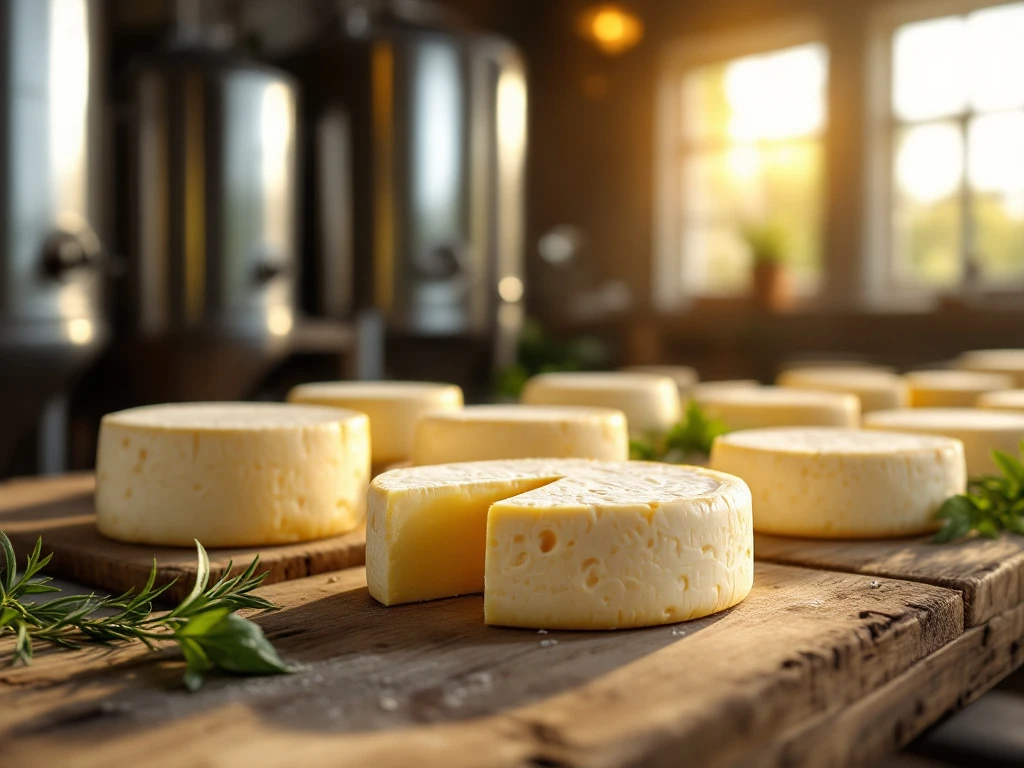
Working with established goat cheese producers offers significant advantages for B2B buyers seeking reliable, high-quality specialty cheese sourcing. These experienced manufacturers bring decades of refined production expertise, consistent quality standards, and proven supply chain reliability that newer suppliers cannot match. Their deep understanding of goat cheese characteristics, combined with modern food safety certifications and flexible customisation options, makes them ideal partners for retail, foodservice, and industrial applications. This comprehensive guide explores the key benefits of partnering with established producers for your goat cheese requirements.
What makes established goat cheese producers different from newer suppliers?
Established goat cheese producers distinguish themselves through years of accumulated expertise, refined production processes, and deep understanding of traditional cheese-making techniques. Their experience spans decades of perfecting recipes, understanding milk quality variations, and mastering the delicate balance required for consistent goat cheese production. This expertise translates into superior products that maintain authentic flavour profiles while meeting modern food safety standards.
The combination of traditional knowledge and contemporary practices sets experienced producers apart. Traditional family businesses often possess generational recipes and techniques passed down through years of refinement. We understand how subtle variations in temperature, humidity, and ageing conditions affect the final product. This knowledge cannot be replicated quickly by newer entrants to the market.
Established producers also maintain proven track records in meeting B2B requirements across diverse market segments. Our experience serving specialty cheese shops, supermarkets, foodservice wholesalers, and processing industries means we understand the unique needs of each channel. From specific packaging requirements to volume flexibility, established producers have already navigated the challenges that newer suppliers are still learning to manage.
The infrastructure and systems developed over time represent another crucial difference. Mature production facilities feature optimised workflows, established quality control points, and efficient processes that ensure consistent output. These operational advantages enable established producers to maintain competitive pricing while delivering superior quality, something newer producers struggle to achieve while building their operations.
How does working with experienced producers ensure product quality and consistency?
Experienced producers ensure quality through comprehensive control systems developed and refined over many years of operation. These systems encompass every stage from milk reception through final product delivery, with standardised procedures that eliminate variability and maintain consistent product characteristics. Regular testing protocols verify that each batch meets established specifications for taste, texture, moisture content, and other critical parameters.
Quality begins with careful milk sourcing from trusted local farmers. We maintain long-term relationships with suppliers who understand our quality requirements and consistently deliver milk that meets our specifications. This stable supply base ensures that the foundational ingredient remains consistent, which is essential for producing goat cheese with reliable flavour profiles and textures.
The production process itself follows meticulously documented procedures that specify exact temperatures, timing, and handling methods for each product type. Whether producing fresh goat cheese rolls, ripened varieties, or speciality items like goat brie, every step follows proven methods that deliver predictable results. Our cheese masters monitor critical control points throughout production, making adjustments based on their extensive experience to maintain quality standards.
Certification compliance adds another layer of quality assurance. Established producers typically hold multiple certifications including IFS (International Featured Standards), which demonstrates commitment to food safety and quality management. Additional certifications such as organic (SKAL), Halal, and Kosher expand market access while ensuring products meet diverse customer requirements. These certifications require rigorous auditing and continuous improvement, further reinforcing quality consistency.
What flexibility and customisation options do established producers offer?
Established producers leverage their expertise to offer extensive customisation services that newer suppliers cannot match. This flexibility extends from product development through packaging and labelling, enabling B2B customers to create unique offerings that differentiate their businesses. Private label development represents a significant opportunity, with experienced producers capable of creating exclusive products that meet specific market requirements while maintaining quality standards.
Product customisation possibilities span multiple dimensions. We can adjust flavour profiles by incorporating herbs, spices, or other ingredients to create signature varieties. Texture modifications accommodate different applications, from spreadable formats for foodservice to firm varieties for slicing. Format options include everything from traditional rolls and wheels to innovative presentations like cheese pearls in flavoured oils or convenient portion-controlled pucks for consistent serving sizes.
Packaging flexibility addresses diverse market needs across retail, foodservice, and industrial channels. Retail packaging ranges from 100g consumer portions to larger family sizes, while foodservice options include bulk formats from 450g to several kilograms. Industrial customers benefit from efficient bulk packaging up to 10kg units designed for processing applications. Each format optimises for its intended use, whether maximising shelf appeal or facilitating efficient kitchen operations.
Volume flexibility represents another crucial advantage. Established producers can accommodate varying order sizes and adjust production schedules to meet seasonal demand fluctuations. This scalability ensures consistent availability whether customers require small batches for testing new products or large volumes for established lines. The ability to respond quickly to market opportunities while maintaining quality standards provides significant competitive advantages for B2B partners.
Why is supply chain reliability crucial when choosing a goat cheese producer?
Supply chain reliability determines whether B2B customers can consistently meet their own customer commitments and maintain profitable operations. Established producers offer stable sourcing relationships, proven inventory management, and robust distribution networks that ensure product availability even during market fluctuations. This reliability becomes particularly critical for businesses serving demanding channels like retail chains or restaurant groups that cannot tolerate supply disruptions.
Stable milk sourcing forms the foundation of supply chain reliability. We maintain relationships with local farmers developed over decades, ensuring consistent access to quality goat milk throughout the year. These partnerships include agreements that protect against seasonal variations and market volatility, providing the raw material security essential for meeting customer commitments. This local sourcing also supports sustainability goals and ensures product freshness.
Inventory management capabilities developed through experience enable consistent product availability. Established producers understand demand patterns across different seasons and market segments, maintaining appropriate stock levels to fulfil orders promptly. Advanced planning systems coordinate production schedules with customer requirements, minimising lead times while avoiding excess inventory that could compromise freshness.
Distribution networks built over years of operation ensure reliable delivery across diverse geographic markets. Whether serving local specialty shops or international customers, established producers have proven logistics partnerships and export capabilities. This includes understanding documentation requirements for different markets, managing cold chain integrity, and navigating regulatory compliance across borders. Such capabilities prove especially valuable for customers expanding into new markets or requiring just-in-time delivery for fresh products.
What certifications and compliance standards should you expect from established producers?
Reputable established producers maintain comprehensive certification portfolios that demonstrate commitment to food safety, quality management, and market access. The IFS (International Featured Standards) certification represents a fundamental requirement, covering food safety management systems, HACCP implementation, and quality control procedures. This globally recognised standard provides assurance that products meet the highest safety and quality requirements demanded by international retailers and food service companies.
Quality management extends beyond basic food safety to encompass additional certifications that support specific market requirements. GMP (Good Manufacturing Practice) certification ensures consistent production standards and documentation practices. Organic certification through recognised bodies like SKAL enables access to premium market segments seeking natural, sustainably produced products. These certifications require ongoing compliance monitoring and regular third-party audits that verify continued adherence to standards.
Religious dietary certifications expand market access significantly. Halal and Kosher certifications open opportunities in diverse markets while demonstrating respect for cultural and religious requirements. These certifications involve careful control of ingredients, production processes, and handling procedures to ensure compliance with religious dietary laws. Established producers understand the nuances of maintaining these certifications while operating efficient multi-product facilities.
Export compliance represents another crucial area where established producers excel. EC recognition enables trade within European markets, while additional certifications support global distribution. Understanding and maintaining compliance with varying international requirements, from labelling regulations to health certificates, requires significant expertise that newer producers often lack. This comprehensive compliance framework reduces risk for B2B buyers while facilitating market expansion opportunities.
Partnering with established goat cheese producers provides B2B buyers with numerous advantages that directly impact business success. From the consistency and quality that comes with decades of experience to the flexibility and reliability essential for modern food businesses, these partnerships offer tangible benefits. As you evaluate potential suppliers for your specialty cheese requirements, consider how the expertise, certifications, and proven capabilities of established producers can support your growth objectives. We invite you to explore how our traditional craftsmanship combined with modern capabilities can enhance your product offerings and strengthen your market position.
Related Articles
- What questions are often missing from a first conversation with a cheese producer?
- What are the benefits of goat cheese spread in a 10 kg bucket for snack fillings?
- How do you plan the procurement of hard goat cheese with a delivery time of three weeks?
- What topping applications exist for goat cheese in oven dishes?
- Why are food manufacturers choosing goat cheese over cow cheese?