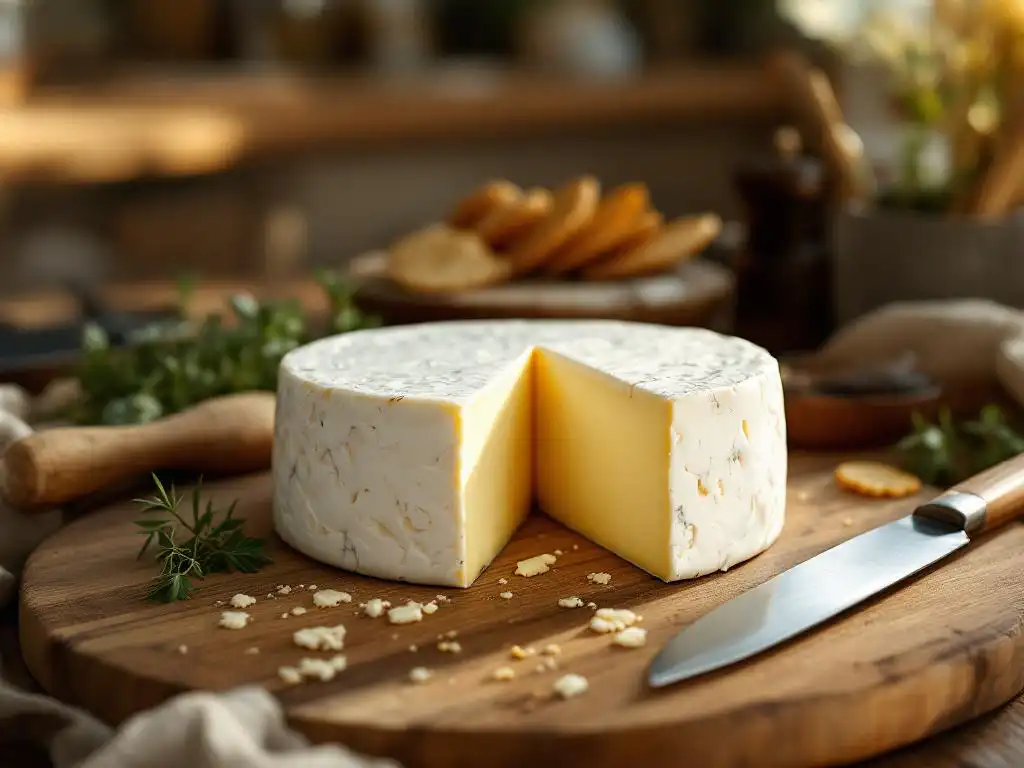
Goat cheese represents a powerful opportunity for private label innovation, offering unique market positioning that combines a premium perception with growing consumer demand. Private label brands can leverage goat cheese’s distinctive characteristics to create differentiated product lines that command higher margins while meeting evolving dietary preferences. The combination of health benefits, versatility across applications, and strong consumer interest makes goat cheese an ideal choice for retailers seeking to expand beyond commodity cheese offerings into specialty categories.
What makes goat cheese a strategic choice for private label development?
Goat cheese provides private label brands with immediate product differentiation through its premium positioning and unique flavour profile. The category commands 15–30% higher margins than standard cow’s milk cheeses while appealing to health-conscious consumers seeking digestive-friendly alternatives. This strategic advantage extends beyond pricing to encompass versatility across multiple product applications.
The premium perception of goat cheese stems from its artisanal heritage and specialty status in most markets. Consumers associate goat cheese with quality, craftsmanship, and sophisticated taste preferences. This perception allows private label brands to position their offerings alongside premium national brands without the extensive marketing investment typically required for premium positioning.
Health-conscious consumers increasingly seek goat cheese for its digestibility advantages. The smaller fat globules and different protein structure make it easier to digest than cow’s milk cheese. Additionally, goat cheese contains less lactose and different casein proteins, making it suitable for many consumers with mild dairy sensitivities. These nutritional benefits provide compelling selling points for private label marketing.
The versatility of goat cheese across product categories creates multiple innovation opportunities. Fresh varieties work excellently in salads and spreads, while aged versions compete with premium hard cheeses. Semi-soft varieties bridge the gap, offering melting properties for culinary applications. This range allows private label developers to create comprehensive product lines addressing various consumer needs and usage occasions.
How does consumer demand shape goat cheese innovation opportunities?
Consumer demand for goat cheese continues to grow as dietary awareness increases and flexitarian eating patterns gain mainstream acceptance. Modern consumers actively seek alternatives to traditional dairy products, driven by health considerations, environmental concerns, and a desire for culinary variety. This shift creates substantial opportunities for private label brands to capture market share through targeted innovation.
Awareness of lactose sensitivity drives significant goat cheese adoption among consumers who experience discomfort with cow’s milk products. While not completely lactose-free, goat cheese typically contains lower lactose levels and different protein structures that many find easier to digest. Private label brands can capitalise on this by developing products specifically marketed to digestion-sensitive consumers.
The protein-seeking behaviour of health-conscious consumers aligns perfectly with goat cheese’s nutritional profile. Goat cheese provides high-quality protein with all essential amino acids while offering better bioavailability than many plant-based alternatives. This positions goat cheese ideally for private label products targeting fitness enthusiasts and health-focused demographics.
Demographic shifts favouring goat cheese consumption include younger consumers exploring global cuisines, urban professionals seeking premium food experiences, and older adults prioritising digestive health. Each demographic presents unique product development opportunities, from convenient snacking formats for millennials to portion-controlled options for health-conscious seniors.
Flexitarian diets incorporating reduced meat consumption create additional opportunities. Goat cheese serves as an excellent protein source for flexitarian meals while providing the satisfaction and flavour depth that purely plant-based options may lack. Private label brands can develop products specifically positioned for this growing consumer segment.
What are the key considerations for goat cheese product development?
Successful goat cheese product development requires careful attention to flavour profile management, texture optimisation, and shelf-life considerations. The distinctive tangy flavour of goat cheese, while appealing to many, requires thoughtful balancing to achieve broad market acceptance. Technical expertise in formulation helps create products that maintain authenticity while meeting consumer preferences.
Flavour profile management starts with milk quality and extends through every production stage. The intensity of goat cheese flavour varies significantly based on factors including animal diet, milk handling, and ageing processes. Private label developers must decide whether to emphasise traditional bold flavours or create milder profiles for broader appeal. Herbs, spices, and other flavour additions can complement or moderate the base goat cheese character.
Texture optimisation presents unique challenges and opportunities. Fresh goat cheese requires careful moisture management to achieve a spreadable consistency without becoming grainy. Aged varieties need controlled environments to develop desired textures ranging from creamy to firm. Understanding these technical requirements helps ensure consistent quality across production batches.
Shelf-life considerations significantly impact product development decisions. Fresh goat cheese typically has a shorter shelf life than aged varieties, requiring efficient distribution and clear date marking. Modified-atmosphere packaging can extend freshness, while natural preservatives maintain quality without compromising clean-label positioning. Balancing shelf life with quality preservation remains crucial for retail success.
Regulatory requirements vary by market but generally focus on pasteurisation standards, labelling accuracy, and allergen declarations. International markets may have specific import requirements regarding animal health certifications and production facility standards. Understanding these requirements early in development prevents costly reformulation or market access issues.
Which goat cheese formats offer the most private label potential?
Fresh goat cheese formats, including traditional logs, spreadable tubs, and crumbles, offer immediate private label opportunities due to their versatility and broad consumer acceptance. These formats require minimal ageing infrastructure while delivering the distinctive goat cheese experience consumers seek. The growing demand for convenient, ready-to-use cheese products makes these formats particularly attractive for foodservice applications.
Value-added products represent significant growth potential for private label innovation. Marinated goat cheese pearls, herb-crusted medallions, and flavoured spreads command premium pricing while offering clear differentiation. These products appeal to consumers seeking convenience without sacrificing quality or culinary interest. The ability to create unique flavour combinations provides endless innovation possibilities.
Portion-controlled formats address both foodservice and retail needs. Individual portions reduce waste while ensuring consistent serving sizes for commercial kitchens. Pre-portioned retail packages appeal to health-conscious consumers monitoring intake and households seeking convenience. These formats particularly suit grab-and-go applications and lunchbox additions.
Aged goat cheese varieties offer premium positioning opportunities for ambitious private label programmes. Semi-hard and hard goat cheeses compete directly with premium imported cheeses while providing unique flavour profiles. These products require longer production cycles but deliver higher margins and create brand differentiation through the demonstration of expertise.
Emerging applications in prepared foods create additional format opportunities. Goat cheese works excellently in ready meals, pizza toppings, and sandwich applications. Pre-crumbled formats save labour in foodservice while maintaining quality. Understanding end-use applications helps optimise format development for specific market segments.
How does De Jong Cheese support private label goat cheese innovation?
We at De Jong Cheese bring nearly three decades of traditional expertise to private label goat cheese development, combining artisanal knowledge with modern production capabilities. Our family business heritage, established in 1995, ensures every partner receives personal attention while benefiting from our extensive technical expertise and international market experience.
Our comprehensive support for private label partners includes:
- Custom product development tailored to specific market requirements and consumer preferences
- Flexible manufacturing capabilities accommodating both small specialty batches and large-scale production
- Bulk packaging options designed for efficient processing and distribution
- Technical assistance throughout the development process, from concept to market launch
- Consistent quality maintained across our operations serving more than 20 countries
We understand the unique challenges B2B customers face when developing private label goat cheese products. Our highest-level food safety certifications provide confidence for international distribution, while our experienced team of 55 professionals ensures a reliable supply chain partnership. Whether you need traditional fresh goat cheese or innovative aged varieties, we work closely with each partner to create distinctive products that succeed in their target markets.
Our extensive product range demonstrates our capability to support diverse private label requirements. From fresh spreads to aged specialties, we maintain the flexibility to adapt recipes and formats to your specific needs.
Ready to explore private label goat cheese opportunities? Contact our team to discuss how we can support your innovation goals with traditional craftsmanship and modern expertise. Discover more about our distribution network and availability through our sales locations.
Frequently Asked Questions
How do I determine the right goat cheese format for my private label brand?
Start by analyzing your target market’s preferences and usage occasions. Fresh formats work best for health-conscious consumers seeking versatile options, while aged varieties appeal to premium cheese enthusiasts. Consider your distribution capabilities, shelf-life requirements, and existing product gaps in your portfolio. Conducting small-scale market tests with different formats can help validate consumer preferences before committing to full production.
What are the minimum order quantities typically required for private label goat cheese production?
Minimum order quantities vary significantly based on the format and production complexity. Fresh goat cheese typically requires lower minimums due to shorter production cycles, while aged varieties need larger commitments to justify the extended aging process. Most manufacturers offer tiered pricing structures where larger volumes reduce per-unit costs. Starting with smaller batches for market testing before scaling up is often a prudent approach.
How can I differentiate my private label goat cheese from established brands?
Focus on unique flavor combinations, innovative packaging formats, or specific dietary positioning that established brands haven’t addressed. Consider incorporating local or trending ingredients, developing convenient portion sizes for emerging consumption occasions, or creating products specifically for underserved consumer segments like athletes or seniors. Emphasizing your sustainability practices or local sourcing can also provide meaningful differentiation.
What are the most common mistakes when launching private label goat cheese?
The most frequent mistakes include underestimating the importance of consistent flavor profiles across batches, choosing packaging that doesn’t adequately protect product freshness, and positioning products too narrowly without considering broader market appeal. Many brands also fail to educate retail staff and consumers about goat cheese benefits and usage suggestions, limiting sales potential. Inadequate inventory planning for seasonal demand fluctuations can also create supply chain challenges.
How long does it typically take to develop and launch a private label goat cheese product?
Development timelines range from 3-6 months for adaptations of existing formulations to 12-18 months for completely new products requiring extensive testing. Fresh cheese varieties generally move faster through development than aged products. Factor in time for recipe development, stability testing, packaging design, regulatory approvals, and production scale-up. Having clear specifications and decision-making processes can significantly accelerate timelines.
What certifications should I look for in a goat cheese manufacturing partner?
Essential certifications include HACCP or similar food safety standards, with additional certifications like BRC, IFS, or SQF providing extra assurance for international distribution. Organic, halal, or kosher certifications may be important depending on your target market. Animal welfare certifications increasingly matter to conscious consumers. Verify that your partner maintains current certifications and has experience with your target market’s specific requirements.
How can I effectively market the digestive benefits of goat cheese without making medical claims?
Focus on factual statements about goat cheese’s natural properties, such as its smaller fat globules and different protein structure, rather than specific health claims. Use consumer testimonials about their positive experiences, highlight the traditional use of goat milk products in various cultures, and emphasize the naturally occurring differences from cow’s milk. Partner with nutritionists or dietitians to create educational content that provides credible information without crossing into regulated health claim territory.
Related Articles
- How do you ensure continuity with a supplier that depends on seasonal milk?
- What are the application possibilities of high-melt goat cheese in new product development?
- Why is goat cheese popular in premium pizza concepts?
- Why is bulk goat cheese important for food production?
- What makes artisanal goat cheese different from industrial goat cheese?