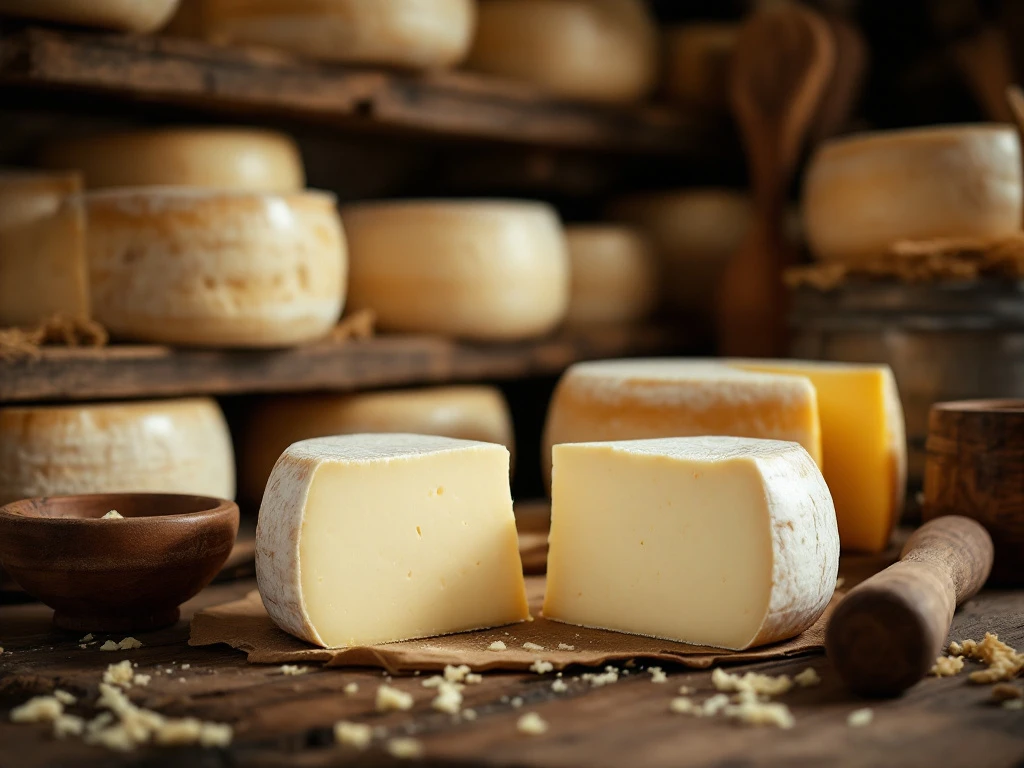
Dutch goat cheese production methods combine centuries of traditional craftsmanship with modern quality standards to create superior products. The Netherlands’ unique approach involves specialised dairy goat breeds, optimal climate conditions, and strict production protocols that result in consistently excellent cheese. Traditional aging processes blend seamlessly with contemporary food safety practices, while rigorous quality control ensures every batch meets exacting standards. This distinctive combination of heritage techniques and innovation makes Dutch goat cheese production a benchmark for quality worldwide.
What exactly makes Dutch goat cheese production methods stand out from others?
Dutch goat cheese production stands out through its unique combination of traditional craftsmanship passed down through generations and cutting-edge quality standards. The Netherlands’ temperate maritime climate creates ideal conditions for dairy goats, providing consistent milk quality throughout the year. Specialised Dutch dairy goat breeds, developed over centuries, produce milk with optimal fat and protein ratios for cheese making.
The integration of traditional methods with modern food safety practices sets Dutch producers apart. While maintaining time-honoured techniques like natural fermentation and careful temperature control, we incorporate contemporary hygiene protocols and traceability systems. This dual approach ensures both authentic flavour development and consistent safety standards that meet international requirements.
Dutch cheese makers benefit from the country’s unique pasture conditions, where mineral-rich soil and diverse flora contribute to distinctive milk characteristics. The controlled grazing systems and seasonal feed management create subtle flavour variations that enhance the final cheese products. These environmental factors, combined with meticulous production standards, result in goat cheese with superior texture, taste, and shelf stability.
How does traditional Dutch cheese making create better goat cheese flavours?
Traditional Dutch cheese making creates superior flavours through carefully controlled natural aging processes that allow complex taste profiles to develop gradually. Temperature management during fermentation follows precise protocols established over generations, typically maintaining environments between 12-14°C for optimal enzyme activity. These time-tested methods ensure consistent flavour development while preserving the authentic character of goat cheese.
The fermentation practices unique to Dutch producers involve specific starter cultures that have been cultivated and refined over decades. We use natural aging techniques that promote the development of subtle nutty and creamy notes without overwhelming the delicate goat milk base. The controlled humidity levels during maturation, typically maintained at 85-90%, create the perfect conditions for rind formation and interior texture development.
Dutch cheese makers achieve consistency across batches by following standardised protocols for milk handling, curd formation, and pressing techniques. The traditional wooden aging rooms still used by many producers contribute unique microflora that enhance flavour complexity. These methods, combined with patience and expertise, result in goat cheese with balanced acidity, smooth texture, and distinctive taste profiles that develop harmoniously over time.
What role does quality control play in Dutch goat cheese excellence?
Quality control in Dutch goat cheese production encompasses rigorous testing from farm to finished product, ensuring consistent excellence at every stage. Milk testing protocols include daily checks for bacterial counts, somatic cell levels, and compositional analysis to verify protein and fat content meets strict standards. These comprehensive measures guarantee only the highest quality milk enters the cheese-making process.
Dutch producers maintain excellence through standardised hygiene protocols that exceed international requirements. We implement Hazard Analysis Critical Control Points (HACCP) systems alongside traditional quality checks, creating multiple safeguards throughout production. Regular laboratory testing monitors pH levels, moisture content, and microbiological safety at predetermined intervals during aging and before release.
Certification requirements in the Netherlands demand complete traceability from individual goat herds through to packaged products. This systematic approach allows for rapid identification and resolution of any quality variations. The combination of automated monitoring systems and experienced cheese makers’ sensory evaluations ensures both measurable standards and artisanal quality are maintained. These multi-layered quality control measures create the consistency that B2B customers rely upon for their operations.
Why do Dutch goat cheese makers achieve such consistent texture and taste?
Dutch goat cheese makers achieve remarkable consistency through precise temperature management systems that maintain exact conditions throughout production and aging. Computerised climate control in aging rooms ensures temperature variations stay within 0.5°C of target settings, while humidity sensors adjust moisture levels automatically. This technical precision, combined with traditional expertise, delivers uniform texture development across entire production batches.
The standardised production protocols followed by Dutch producers specify exact timings for each cheese-making step, from milk pasteurisation through to final packaging. We employ scientific precision in traditional processes, measuring curd pH at specific intervals and adjusting techniques based on seasonal milk variations. These protocols account for natural fluctuations while maintaining consistent end results that meet B2B specifications.
Consistency also stems from the Dutch approach to staff training and knowledge transfer. Master cheese makers work alongside technical specialists, combining sensory evaluation skills with data-driven decision making. Regular calibration sessions ensure all team members assess texture and taste using the same criteria. This systematic approach to craftsmanship means every wheel of goat cheese meets the same high standards, providing the reliability that commercial customers require for menu planning and product development.
How are Dutch producers innovating while maintaining traditional goat cheese quality?
Dutch producers innovate through advanced flavour development techniques that expand possibilities while respecting traditional quality standards. Modern extraction methods allow for natural flavour infusions using herbs, spices, and other ingredients without compromising cheese structure or shelf life. Sustainable production methods, including solar energy adoption and water recycling systems, reduce environmental impact while maintaining the artisanal processes essential for quality.
Flexible packaging solutions represent a key innovation area where Dutch producers excel. We develop customised packaging formats ranging from individual portions to bulk foodservice options, incorporating modified atmosphere technology to extend shelf life without preservatives. These innovations respond directly to B2B customer needs for portion control, operational efficiency, and waste reduction while preserving the authentic taste and texture of traditional goat cheese.
Product development laboratories work alongside traditional cheese makers to create new varieties that meet evolving market demands. Recent innovations include reduced-fat options that maintain creamy texture, lactose-free variants for dietary requirements, and convenience formats like pre-crumbled or spreadable versions. These developments occur within frameworks that prioritise traditional quality markers: proper aging, natural ingredients, and authentic flavour profiles. By balancing innovation with heritage, Dutch producers meet contemporary market needs while delivering the consistent quality that defines their reputation.
The superiority of Dutch goat cheese production methods lies in this harmonious blend of tradition and innovation. From the careful selection of specialised goat breeds to the implementation of cutting-edge quality control systems, every aspect contributes to exceptional products. For B2B customers seeking reliable, high-quality goat cheese solutions, Dutch producers offer the perfect combination of artisanal excellence and modern efficiency. Whether you require traditional aged varieties or innovative new formats, the Dutch approach to goat cheese production delivers consistent quality that enhances your product offerings and satisfies your customers’ expectations.