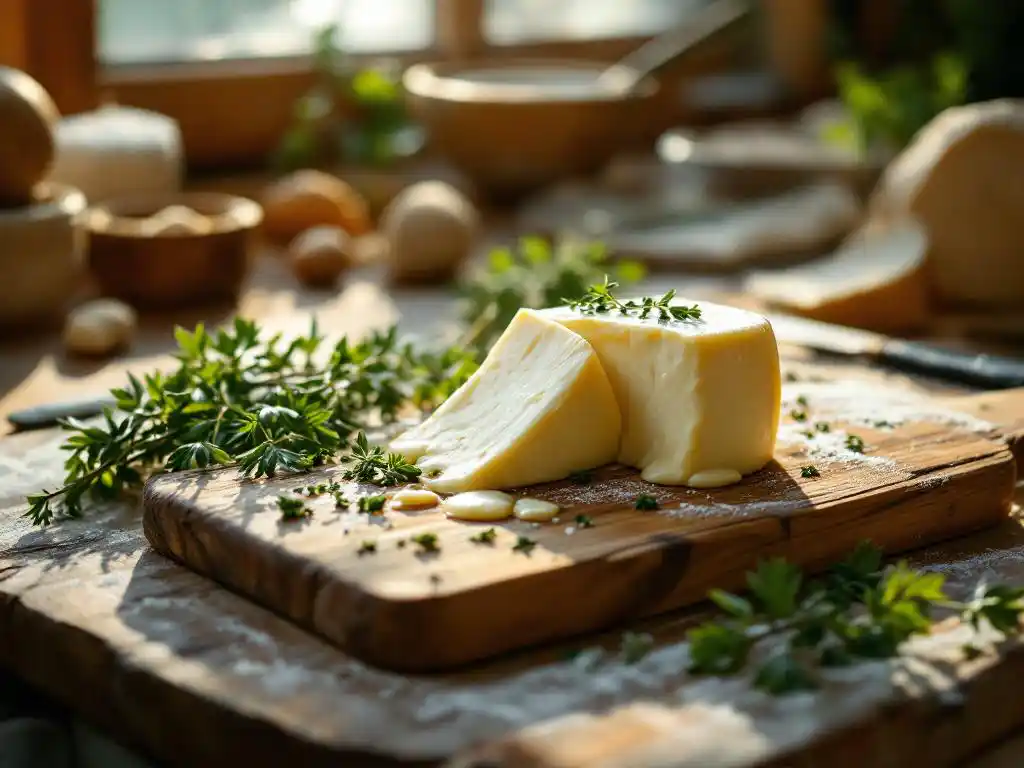
Goat cheese transforms remarkably during baking, undergoing unique physical and chemical changes that create distinctive textures and flavours. Unlike cow’s milk cheese, goat cheese maintains its shape better while developing a creamy interior and slightly golden exterior when properly baked. Understanding how goat cheese performs during baking helps achieve perfect results in gratins, tarts, stuffed vegetables, and baked pasta dishes. This guide explores the science behind baking with goat cheese and provides practical techniques for optimal results.
What happens to goat cheese when you bake it?
When goat cheese enters the oven, its proteins begin denaturing at around 140°F (60°C), causing the cheese to soften while maintaining its structure. The fat globules melt gradually, creating a creamy texture without becoming completely liquid. Moisture evaporates from the surface, forming a delicate golden crust that contrasts beautifully with the soft interior.
Fresh goat cheese undergoes the most dramatic transformation during baking. Its high moisture content (around 60–70%) means it softens quickly but rarely melts completely. The proteins form a network that holds the cheese together, preventing it from running like mozzarella or cheddar. This unique behaviour makes fresh chèvre ideal for baking applications where you want distinct pieces of cheese rather than a melted layer.
Aged goat cheeses react differently to heat due to their lower moisture content and more complex protein structures. Hard aged varieties develop nutty flavours when baked and can form crispy edges while maintaining a firm centre. Soft-ripened goat cheeses with bloomy rinds create an especially luxurious texture, with the rind protecting the interior from direct heat while the paste becomes wonderfully gooey.
The surface of baked goat cheese develops through the Maillard reaction, creating appealing golden-brown colours and enhanced flavours. This browning occurs more slowly than with cow’s milk cheese due to goat cheese’s lower lactose content, giving you better control over the final appearance.
Why does goat cheese behave differently than cow’s milk cheese in the oven?
Goat cheese contains smaller fat globules than cow’s milk cheese, measuring about one-fifth the size, which creates a more stable structure during heating. These tiny fat particles distribute evenly throughout the cheese, melting gradually rather than separating quickly. The protein structure also differs significantly, with goat milk proteins forming tighter bonds that resist complete melting even at high temperatures.
The pH levels play a crucial role in baking behaviour. Fresh goat cheese typically has a pH between 4.4 and 4.6, making it more acidic than most cow’s milk cheeses. This acidity affects how proteins interact with heat, causing goat cheese to maintain its shape rather than becoming stringy or completely liquid. The acidic environment also contributes to the tangy flavour that intensifies during baking.
Moisture content differences significantly impact baking performance. While fresh mozzarella might release excess water when baked, creating soggy dishes, goat cheese releases moisture more slowly and evenly. This controlled moisture loss helps prevent common baking problems like watery quiches or soggy tart bases. The unique composition of goat cheese makes it particularly suitable for dishes where you want distinct cheese portions rather than a melted blanket.
Browning behaviour differs markedly between the two cheese types. Cow’s milk cheese often browns quickly due to higher lactose content, sometimes burning before the interior properly heats. Goat cheese browns more gradually, allowing better control over the final appearance and reducing the risk of bitter, burnt flavours developing on the surface.
What’s the ideal temperature range for baking with goat cheese?
The optimal baking temperature for goat cheese ranges from 300°F to 425°F (150°C to 220°C), depending on your desired outcome. Lower temperatures around 300–325°F work best for gentle warming in tarts and quiches, allowing the cheese to soften without losing its distinctive texture. Medium temperatures of 350–375°F suit most general baking applications, providing enough heat to create appealing surfaces while maintaining creamy interiors.
For gratins and dishes requiring golden-brown tops, temperatures between 400–425°F deliver excellent results. At these higher temperatures, position goat cheese in the middle or lower third of the oven to prevent burning while achieving proper browning. Timing becomes crucial at higher temperatures—most goat cheese dishes need only 15–20 minutes at 400°F compared with 25–30 minutes at 350°F.
Different applications require specific temperature approaches:
- Stuffed vegetables with goat cheese: 375°F for 20–25 minutes ensures the vegetables cook through while the cheese melts perfectly
- Goat cheese tarts: 350°F for 25–30 minutes prevents the crust from burning while setting the filling
- Baked pasta with goat cheese: 375°F for 20–25 minutes, adding the cheese in the final 10 minutes
- Gratinated goat cheese: 425°F for 8–12 minutes, watching carefully for the desired browning
Preheating considerations matter significantly for goat cheese baking. Always start with a fully preheated oven to ensure even cooking and proper texture development. Cold ovens can cause goat cheese to release excess moisture before the proteins set, resulting in watery dishes. For best results, let refrigerated goat cheese come to room temperature before baking, allowing more even heat distribution throughout.
How do you prevent goat cheese from becoming grainy or separating during baking?
Preventing grainy or separated goat cheese during baking requires careful temperature control and proper preparation techniques. Start by avoiding extreme temperature changes—gradually warming cold cheese prevents protein shock that causes graininess. Mix goat cheese with a small amount of cream, milk, or beaten egg before baking to create a protective emulsion that maintains a smooth texture throughout cooking.
Moisture management plays a vital role in texture preservation. Cover dishes with foil during the initial baking period to trap steam, keeping the cheese moist and preventing surface proteins from over-coagulating. Remove the foil in the final minutes if browning is desired. Adding moisture-rich ingredients like roasted vegetables or caramelised onions around goat cheese helps maintain ambient humidity during baking.
Common mistakes that lead to texture problems include overbaking, using temperatures above 425°F, and placing cheese too close to heating elements. Direct high heat causes proteins to seize and separate, creating unpleasant graininess. Position racks in the centre of the oven and use indirect heat when possible. For dishes requiring browning, use the grill function only briefly at the end rather than throughout cooking.
Protective ingredients enhance texture stability significantly. Mixing goat cheese with ricotta or mascarpone creates a more heat-stable blend. Adding cornflour or flour (one teaspoon per 100 g cheese) helps bind moisture and prevents separation. Fresh herbs and olive oil not only add flavour but also provide protective fat that maintains creaminess. For gratins, combining goat cheese with béchamel sauce ensures silky results every time.
Which types of goat cheese work best for different baking applications?
Fresh chèvre excels in applications requiring spreading or filling, such as stuffed chicken breasts, vegetable tarts, and phyllo parcels. Its high moisture content and smooth texture make it ideal for mixing with herbs and seasonings. Fresh goat cheese maintains distinct portions when baked, making it perfect for dotting over pizzas or pressing into the centres of stuffed mushrooms when you want visible cheese pieces.
Aged hard goat cheeses perform brilliantly for gratinating and creating crispy toppings. Their lower moisture content means they brown beautifully without releasing excess water. Grate aged goat cheese over gratins, incorporate it into breadcrumb toppings, or use it in cheese straws for intense flavour and excellent texture. These varieties also work well in baked pasta dishes where you want distinct cheese flavour without excess moisture.
Soft-ripened goat cheeses with bloomy rinds create spectacular baked appetisers. The rind acts as a natural container, keeping the interior creamy while the outside crisps slightly. Bake whole small rounds with honey and herbs, or slice larger wheels horizontally and bake with toppings. These cheeses pair wonderfully with:
- Caramelised onions and thyme
- Fig jam and walnuts
- Sun-dried tomatoes and basil
- Honey and pistachios
Crumbled goat cheese offers versatility for topping applications. Use larger crumbles for rustic appeal on flatbreads and galettes, or finer crumbles mixed with breadcrumbs for gratins. Semi-soft goat cheeses bridge the gap between fresh and aged varieties, offering moderate melting with good flavour development—ideal for lasagnas, stuffed peppers, and baked eggs where you want both creaminess and structure.
How DeJong Cheese helps with baking applications
At DeJong Cheese, we understand the unique challenges of baking with goat cheese in professional kitchens and food production. Our specialised goat cheese products are specifically formulated for optimal baking performance, maintaining consistent texture and flavour even under demanding conditions. We offer heat-stable formulations that resist separation and graining, ensuring your baked dishes deliver perfect results every time.
Our foodservice solutions include:
- Bulk packaging options designed for efficient kitchen workflow
- Custom formulations tailored to specific baking temperatures and applications
- Pre-portioned options for consistent recipe execution
- Extended-shelf-life products for better inventory management
- Technical support for recipe development and troubleshooting
We work closely with our B2B partners to develop goat cheese products that meet exact specifications for industrial baking applications. Whether you need cheese that maintains its shape in high-temperature ovens or products that blend smoothly into sauces, our team can create custom solutions. Our traditional craftsmanship, combined with modern food technology, ensures consistent quality across large production runs.
Ready to enhance your baked offerings with premium goat cheese? Contact our team to discuss your specific needs or explore our range of foodservice products. For those interested in trying our products first, find our cheese at various locations throughout the Netherlands.
Frequently Asked Questions
Can I freeze dishes containing baked goat cheese?
While you can freeze dishes with baked goat cheese, the texture may become slightly grainy upon reheating due to moisture separation. For best results, freeze unbaked dishes and add fresh goat cheese after thawing, or underbake slightly before freezing and finish in the oven when reheating. Dishes with goat cheese mixed into sauces or fillings freeze better than those with distinct cheese pieces.
How do I know when my baked goat cheese dish is perfectly done?
Perfect baked goat cheese should have a light golden colour on top with a slightly firm exterior that gives way to a creamy centre when pressed gently. The edges may show slight browning, but avoid dark brown spots which indicate overcooking. For dishes like tarts or quiches, the filling should be just set with a slight jiggle in the centre, as it will continue firming as it cools.
What herbs and seasonings pair best with baked goat cheese?
Fresh thyme, rosemary, and oregano complement goat cheese beautifully when baked, as their oils release and infuse the cheese. For a Mediterranean twist, combine sun-dried tomatoes, basil, and garlic. Sweet applications work wonderfully with lavender, honey, and cracked black pepper. Always add delicate herbs like chives or dill after baking to preserve their fresh flavour and colour.
How can I adapt recipes that call for cow's milk cheese to use goat cheese instead?
When substituting goat cheese for cow’s milk cheese in baking recipes, use about 25% less goat cheese due to its stronger flavour and different melting properties. Reduce baking temperature by 25°F and check for doneness 5-10 minutes earlier. For recipes requiring melted cheese layers, combine goat cheese with a small amount of cream or ricotta to achieve a more fluid consistency.
What's the best way to incorporate goat cheese into bread and pastry doughs?
For bread doughs, add crumbled goat cheese during the final kneading stage to maintain distinct pockets of cheese. In pastry applications, freeze goat cheese for 30 minutes before cutting it into small cubes and folding into laminated doughs. For cheese-infused pastry, blend soft goat cheese with cold butter before incorporating into flour. This technique creates flaky, flavourful layers without compromising dough structure.
How do I prevent goat cheese from overpowering other flavours in baked dishes?
Balance goat cheese’s tangy flavour by pairing it with sweet elements like caramelised onions, roasted red peppers, or honey. Use fresh goat cheese for milder flavour impact, or blend it with ricotta or cream cheese in a 1:1 ratio. Layer goat cheese between other ingredients rather than placing it entirely on top, allowing flavours to meld during baking while preventing any single element from dominating.