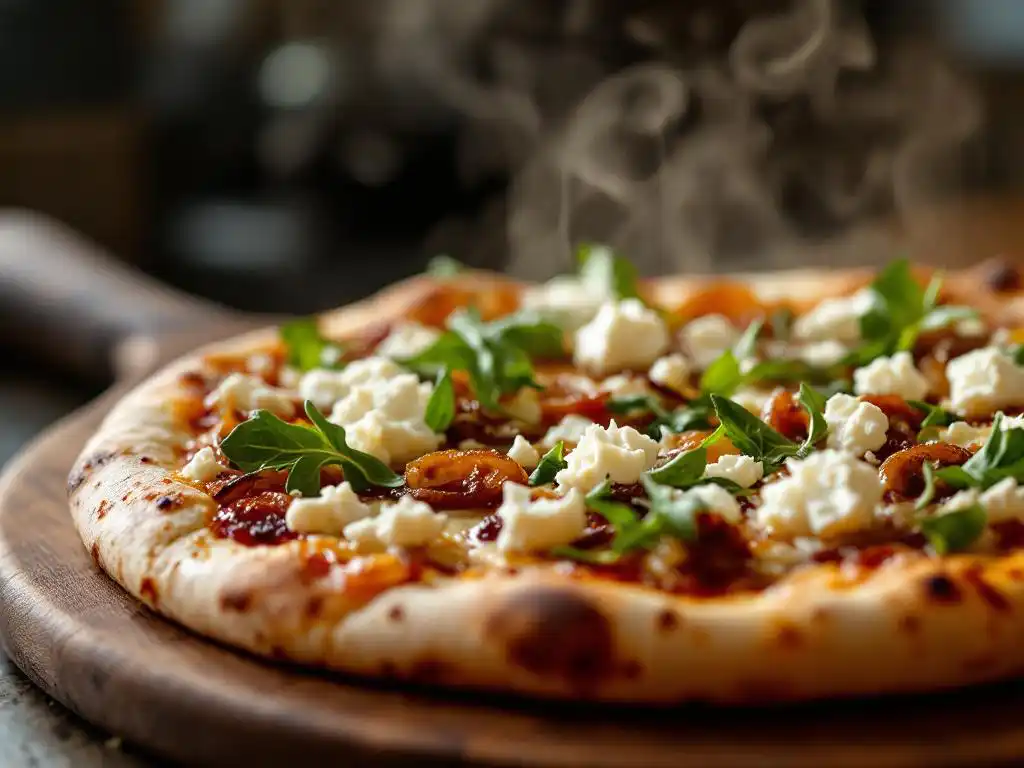
Goat cheese has transformed from a niche ingredient to a premium pizza staple in upscale restaurants worldwide. Its distinctive tangy flavour, creamy texture, and artisanal appeal make it the perfect choice for pizzerias looking to elevate their menu offerings beyond traditional mozzarella. The growing demand for goat cheese on pizzas reflects changing consumer preferences for sophisticated flavours, healthier alternatives, and unique dining experiences that justify premium pricing.
What makes goat cheese different from traditional pizza cheeses?
Goat cheese stands apart from traditional pizza cheeses through its unique protein structure and lower lactose content, creating a distinctly creamy texture and tangy flavour profile. Unlike mozzarella’s stringy melt, goat cheese softens and spreads, forming creamy pockets that complement rather than dominate other toppings. Its naturally lower lactose levels make it easier to digest for many consumers.
The nutritional profile of goat cheese offers several advantages over cow’s milk varieties. It contains smaller fat globules and different protein structures that many people find gentler on their digestive systems. The cheese provides high-quality protein while typically containing fewer calories than aged cow’s milk cheeses, appealing to health-conscious diners seeking indulgence without compromise.
When heated, goat cheese behaves differently from mozzarella or cheddar. Rather than creating long strings or becoming oily, it maintains its shape while developing a slightly golden exterior and creamy interior. This unique melting characteristic allows chefs to create visually appealing pizzas where distinct dollops of goat cheese remain visible, adding textural contrast to each bite.
Why do premium pizza restaurants choose goat cheese over other options?
Premium pizza restaurants select goat cheese because it immediately signals artisanal quality and allows them to command higher prices. A pizza featuring goat cheese can typically be priced 20–30% higher than standard offerings, as customers associate it with gourmet dining experiences. This positioning helps restaurants differentiate themselves in competitive markets where traditional pizzas have become commoditised.
The versatility of goat cheese enables creative menu development that attracts adventurous diners. Its mild tanginess pairs beautifully with both sweet and savoury toppings, from caramelised onions and roasted vegetables to fresh figs and honey drizzles. This flexibility allows chefs to create seasonal specials and signature combinations that keep menus fresh and exciting.
Beyond its culinary advantages, goat cheese helps restaurants tell a compelling story about quality and craftsmanship. Many establishments highlight the provenance of their goat cheese, partnering with local or artisanal producers to reinforce their commitment to premium ingredients. This narrative resonates with modern diners who value transparency and are willing to pay more for authentic, high-quality food experiences.
How does goat cheese perform differently on pizza compared to cow’s milk cheese?
Goat cheese requires different handling techniques than cow’s milk cheeses during pizza preparation. It performs best when added in small dollops or crumbles rather than spread across the entire surface, maintaining its distinctive texture and preventing excessive browning. The optimal cooking temperature ranges between 220–250°C, slightly lower than traditional pizza temperatures, to preserve its creamy consistency.
The moisture-retention characteristics of goat cheese create unique considerations for pizza makers. Fresh goat cheese contains higher moisture content than aged varieties, which can affect crust crispness if not properly managed. Professional kitchens often place goat cheese strategically on top of other ingredients or add it partway through cooking to prevent excess moisture from compromising the base.
Different goat cheese varieties perform uniquely in high-heat ovens. Fresh chèvre maintains its shape while developing a light golden colour, aged goat cheeses develop more complex flavours as they warm, and whipped goat cheese spreads more readily across the pizza surface. Understanding these variations allows chefs to select the right type for their desired outcome, whether creating distinct cheese pockets or a more integrated flavour profile.
What flavour combinations work best with goat cheese on pizza?
Classic goat cheese pizza combinations balance its tanginess with sweet and savoury elements. Caramelised onions provide natural sweetness that complements the cheese’s acidity, while peppery arugula adds freshness and textural contrast. Prosciutto or crispy pancetta contribute saltiness and umami depth, creating a harmonious flavour profile that satisfies multiple taste preferences.
Seasonal variations showcase goat cheese’s versatility throughout the year:
- Spring: asparagus, peas, and fresh herbs
- Summer: roasted tomatoes, basil, and balsamic reduction
- Autumn: roasted butternut squash, sage, and walnuts
- Winter: caramelised pears, thyme, and truffle oil
Mediterranean-inspired combinations particularly suit goat cheese’s flavour profile. Sun-dried tomatoes, olives, roasted red peppers, and fresh herbs create pizzas reminiscent of Southern European cuisine. For those preferring sweeter profiles, combinations featuring figs, honey, pistachios, or dates transform pizza into a sophisticated appetiser or dessert option that bridges courses elegantly.
How DeJong Cheese supports premium pizza concepts
We understand the unique demands of premium pizza operations and offer specialised goat cheese solutions designed for professional kitchens. Our bulk packaging options ensure consistent supply for high-volume restaurants while maintaining the artisanal quality that defines premium pizza concepts. Each batch delivers uniform texture and flavour, enabling chefs to create signature pizzas with confidence.
Our support for pizza professionals includes:
- Custom cheese blends tailored to specific menu requirements
- Technical guidance on optimal storage and handling procedures
- Flexible packaging sizes from 1kg to 5kg containers
- Consistent year-round quality despite seasonal variations
- Private label options for restaurants developing house brands
We work closely with pizza chefs to develop cheese varieties that perform optimally in their specific oven types and at their preferred temperatures. Our technical team provides guidance on portion control, placement techniques, and pairing suggestions to maximise both flavour impact and cost efficiency. Whether you’re launching a new gourmet pizza concept or expanding an existing menu, our foodservice solutions deliver the quality and consistency your customers expect.
Ready to elevate your pizza menu with premium goat cheese? Contact our team to discuss customised solutions for your restaurant. Discover where to find our products at authorised distributors near you.
Frequently Asked Questions
How much goat cheese should I use per pizza to avoid overpowering other toppings?
For optimal flavour balance, use 60-80 grams of goat cheese per 12-inch pizza, distributed in 5-7 small dollops or crumbles. This amount provides distinct pockets of creamy tanginess without overwhelming other ingredients, and helps control food costs while maintaining the premium appeal that justifies higher menu prices.
Can I mix goat cheese with mozzarella for a more familiar texture?
Yes, blending 30% goat cheese with 70% mozzarella creates an excellent hybrid that maintains stretch while adding tangy complexity. This combination works particularly well for customers new to goat cheese pizzas, providing familiar texture with elevated flavour. Start with this ratio and adjust based on customer feedback and your desired flavour profile.
What's the best way to prevent goat cheese from burning in high-temperature pizza ovens?
Add goat cheese during the last 2-3 minutes of cooking, or shield it under other toppings like vegetables or cured meats. For wood-fired ovens exceeding 300°C, position pizzas further from direct flame and rotate frequently. Alternatively, use aged goat cheese varieties which have lower moisture content and better heat resistance.
How do I store opened goat cheese to maintain quality for pizza service?
Store opened goat cheese in airtight containers at 2-4°C, pressing plastic wrap directly onto the cheese surface to prevent air exposure. Fresh goat cheese maintains optimal quality for 5-7 days after opening, while aged varieties can last 2-3 weeks. Always bring cheese to room temperature 20 minutes before service for easier portioning and better melting.
Which wine pairings work best with goat cheese pizzas?
Crisp white wines like Sauvignon Blanc or Sancerre complement goat cheese’s tanginess beautifully, while light-bodied reds such as Pinot Noir pair well with pizzas featuring caramelised onions or mushrooms. For sweeter combinations with figs or honey, try a Riesling or Gewürztraminer. These pairings enhance the dining experience and support premium pricing strategies.
How can I calculate the right menu price for goat cheese pizzas?
Price goat cheese pizzas 25-35% higher than standard offerings, factoring in the premium ingredient cost (typically 2-3x mozzarella) and perceived value. A pizza costing €4 in ingredients can reasonably sell for €16-20 in upscale settings. Monitor sales data and adjust pricing based on demand, ensuring margins support the higher food cost while remaining competitive.