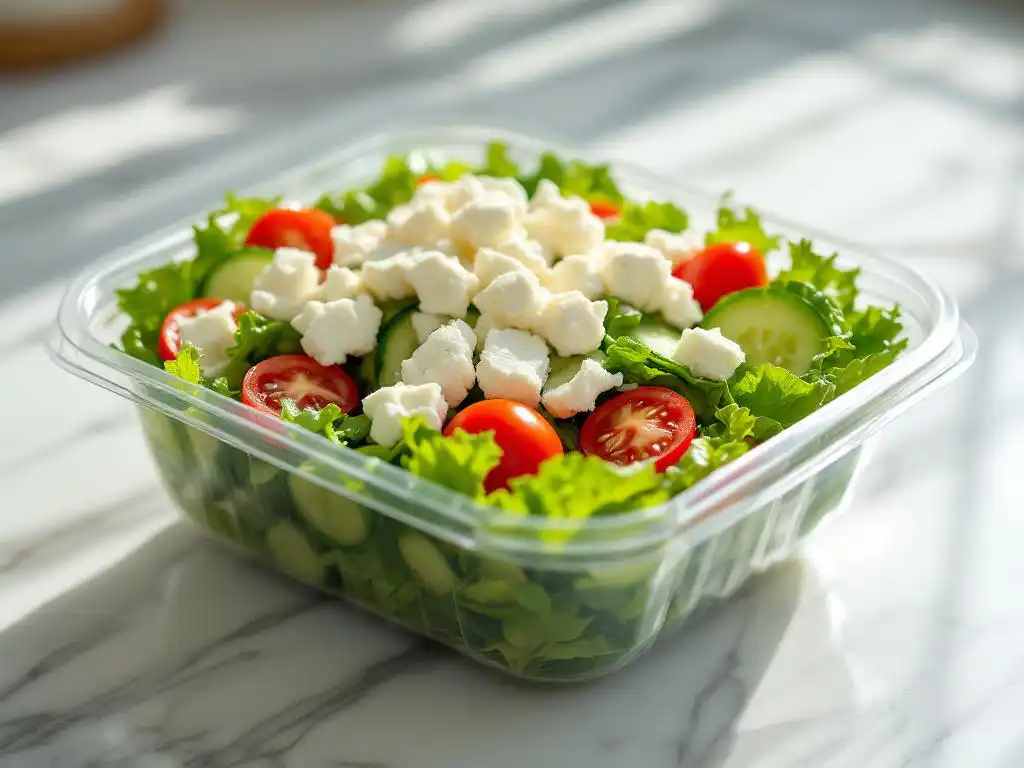
Goat cheese performs exceptionally well in pre-packed salads due to its unique combination of creamy texture, tangy flavour profile, and remarkable stability under refrigerated conditions. Unlike many other cheeses that can become watery or lose their texture in salad environments, goat cheese maintains its quality throughout the product’s shelf life, making it an ideal choice for convenience food manufacturers. This comprehensive guide explores the key performance factors of goat cheese in pre-packed salad applications, from quality maintenance to consumer appeal.
What makes goat cheese ideal for pre-packed salads?
Goat cheese brings several distinctive properties that make it particularly well suited to pre-packed salads. Its naturally creamy texture provides a luxurious mouthfeel that contrasts beautifully with crisp vegetables, while its tangy flavour profile adds complexity without overwhelming other ingredients. The cheese’s lower moisture content compared with fresh mozzarella or ricotta helps prevent excess liquid accumulation in packaged salads.
The protein structure of goat cheese differs from that of cow’s milk cheese, featuring smaller fat globules and shorter protein chains. This unique composition means goat cheese maintains its consistency better when exposed to temperature fluctuations during transport and storage. Additionally, goat cheese’s natural white colour remains stable without artificial preservatives, maintaining visual appeal throughout the product’s shelf life.
From a market differentiation perspective, goat cheese positions pre-packed salads as premium offerings. Consumers associate goat cheese with artisanal quality and sophisticated flavours, allowing manufacturers to command higher price points. The cheese’s versatility also enables creative salad combinations, from Mediterranean-inspired mixes to contemporary grain bowls, expanding product line possibilities.
How does goat cheese maintain quality in pre-packed salad environments?
Goat cheese demonstrates exceptional stability in pre-packed salad environments through several mechanisms. Its naturally lower pH level, typically ranging between 4.5 and 5.0, creates an inhospitable environment for many spoilage organisms while complementing the acidity of salad dressings. This acidic nature also helps preserve the texture and prevents the cheese from becoming overly soft or dissolving into the salad mix.
Moisture management is crucial in pre-packed salads, and goat cheese excels in this area. The cheese’s semi-solid structure acts as a moisture buffer, neither absorbing excess liquid from vegetables nor releasing significant amounts of whey. This characteristic prevents the common problem of soggy salads while maintaining the cheese’s intended texture. When properly packaged with appropriate gas-flushing techniques, goat cheese can maintain its quality for 10–14 days in refrigerated conditions.
Temperature stability represents another key advantage. Goat cheese remains stable at standard refrigeration temperatures (2–4 °C) without significant texture changes. Unlike some cheeses that become grainy or separate when cold, goat cheese retains its smooth, creamy consistency. This stability extends through the cold chain, from production facility to retail display, ensuring consistent quality for end consumers.
What are the shelf-life advantages of using goat cheese in ready-to-eat salads?
Goat cheese offers significant shelf-life advantages in ready-to-eat salads compared with many other cheese options. Its natural preservation properties stem from the combination of lower moisture content, acidic pH, and unique protein structure that resists breakdown over time. These characteristics typically allow goat cheese salads to maintain quality for 10–14 days under proper refrigeration, compared with 7–10 days for salads with fresh mozzarella or soft cow’s milk cheeses.
The cheese’s inherent antimicrobial properties contribute to extended freshness. Goat’s milk contains higher levels of certain medium-chain fatty acids, particularly capric and caprylic acids, which possess natural antimicrobial properties. These compounds help inhibit the growth of undesirable microorganisms without requiring additional preservatives, supporting clean-label initiatives that consumers increasingly demand.
Food safety considerations also favour goat cheese in commercial applications. Its production process typically involves pasteurisation and controlled acidification, creating multiple hurdles against pathogenic bacteria. The cheese’s ability to maintain consistent pH levels throughout storage provides an additional safety factor. When combined with proper modified-atmosphere packaging, goat cheese helps ensure product safety throughout the extended shelf life, reducing waste and improving profitability for retailers.
Which goat cheese formats work best for different salad applications?
Different goat cheese formats offer distinct advantages for various salad applications. Crumbles work exceptionally well in leafy green salads, providing even distribution and allowing consumers to enjoy cheese in every bite. The crumbled format also maximises surface area, enhancing flavour impact while using less product. For grain-based salads, crumbles integrate seamlessly without overwhelming other ingredients.
Medallions or rounds create visual appeal and portion control in premium salad offerings. These formats work particularly well in composed salads where presentation matters, such as bistro-style offerings. The medallion format also allows for interesting textural contrasts – creamy interiors with slightly firmer exteriors that hold their shape during transport. Cubed formats perform excellently in heartier salads with robust ingredients like roasted vegetables or nuts, providing substantial cheese presence without dominating.
Spreadable goat cheese formats open unique possibilities for salad applications. When packaged separately as a side component, spreads allow consumers to customise their salad experience. This format works particularly well with salad kits that include crackers or bread. For manufacturers, pre-dressed salads can incorporate whipped goat cheese into creamy dressings, creating indulgent options that maintain stability better than traditional cream-based dressings.
How does consumer perception impact goat cheese performance in pre-packed salads?
Consumer perception significantly influences the success of goat cheese in pre-packed salads, with market trends showing increased demand for premium, health-conscious ingredients. Goat cheese benefits from its positioning as a gourmet addition that transforms ordinary salads into restaurant-quality meals. Research indicates that consumers are willing to pay 15–25% more for salads featuring speciality cheeses like goat cheese compared with standard options.
Health-conscious consumers particularly value goat cheese for its perceived digestibility benefits. Many people who experience discomfort with cow’s milk products find goat cheese easier to digest due to its different protein structure and lower lactose content. This perception, whether scientifically proven or not, drives purchasing decisions and creates loyal customer bases for goat cheese salad products. The cheese’s association with Mediterranean diets and clean-eating trends further enhances its appeal.
Repeat purchase patterns for goat cheese salads show strong loyalty once consumers try the product. The distinctive taste profile creates memorable eating experiences that standard cheese options cannot replicate. Social media influence also plays a role, with goat cheese salads photographing beautifully and aligning with food photography trends. This visual appeal translates into organic marketing opportunities as consumers share their premium salad experiences online.
How DeJong Cheese helps with pre-packed salad production
We specialise in providing tailored goat cheese solutions specifically designed for the pre-packed salad industry. Our expertise in producing consistent, high-quality goat cheese formats ensures your salads maintain excellence from production to consumption. We understand the unique challenges of salad manufacturing and have developed products that address moisture management, shelf-life optimisation, and flavour consistency.
Our comprehensive support for salad manufacturers includes:
- Bulk packaging options in various formats (crumbles, medallions, cubes) sized for efficient production-line integration
- Custom format development to match your specific salad applications and packaging requirements
- Consistent quality standards backed by the highest food safety certifications
- Technical support for optimising shelf life and maintaining product integrity
- Private-label opportunities to strengthen your brand positioning
- Flexible order quantities to match your production schedules
Ready to enhance your pre-packed salad offerings with premium goat cheese? Our team at DeJong Cheese combines traditional craftsmanship with modern food technology to deliver solutions that meet your exact specifications. Whether you need standard formats or custom developments, we provide the expertise and reliability your business demands. Contact us today to discuss how our goat cheese can elevate your salad products. Learn more about our complete range of foodservice solutions or find out where to source our products through our sales locations.
Frequently Asked Questions
How should I store pre-packed salads with goat cheese to maximise freshness?
Store pre-packed goat cheese salads in the coldest part of your refrigerator (typically the back, away from the door) at 2-4°C. Avoid placing them near strong-smelling foods as goat cheese can absorb odours. Once opened, consume within 24 hours for best quality, and never leave the salad at room temperature for more than 2 hours to maintain food safety standards.
Can I freeze pre-packed salads containing goat cheese?
Freezing pre-packed salads with goat cheese is not recommended. The freezing process destroys the cellular structure of fresh vegetables, resulting in wilted, watery greens upon thawing. Additionally, goat cheese’s creamy texture becomes grainy and crumbly after freezing, significantly compromising the overall quality and eating experience of your salad.
What's the best way to incorporate goat cheese into my own homemade meal-prep salads?
For homemade meal-prep salads, add goat cheese crumbles in a separate small container or wrapped in parchment paper to prevent moisture absorption. If using medallions, place them between layers of paper towel. Add the cheese to your salad just before eating to maintain optimal texture. For best results, prepare salads for no more than 3-4 days in advance.
How can I tell if goat cheese in my pre-packed salad has gone bad?
Fresh goat cheese should maintain its white colour and characteristic tangy aroma. Signs of spoilage include yellowing or grey discolouration, an ammonia-like smell, visible mould (other than intended surface ripening), or a slimy texture. If the cheese tastes overly sour or bitter beyond its normal tanginess, or if the salad packaging appears bloated, discard the entire product immediately.
Are there any ingredients I should avoid combining with goat cheese in salads?
While goat cheese is versatile, avoid pairing it with extremely watery vegetables like cucumber or tomatoes without proper moisture barriers, as these can dilute the cheese’s flavour and texture. Very acidic dressings (pH below 3.5) can cause the cheese to become overly soft or dissolve. Strong competing flavours like blue cheese dressing or excessive garlic can mask goat cheese’s delicate tangy notes.
What certifications should I look for when selecting goat cheese for commercial salad production?
Look for suppliers with GFSI-recognised certifications such as BRC, IFS, or SQF, which ensure comprehensive food safety management. Halal and Kosher certifications expand market reach. Animal welfare certifications like Certified Humane demonstrate ethical sourcing. For organic lines, ensure USDA Organic or EU Organic certification. Additionally, verify the supplier has proper HACCP implementation and can provide consistent certificates of analysis for each batch.
How much goat cheese should I use per salad serving to balance cost and consumer satisfaction?
For optimal cost-to-satisfaction ratio, use 20-30 grams of goat cheese per single-serve salad (200-300g total weight). This amount provides 3-4 visible pieces or a generous sprinkle of crumbles, ensuring cheese presence in most bites without overwhelming other ingredients. Premium salads can increase to 35-40 grams, while value lines can reduce to 15-20 grams using strategic placement for maximum visual impact.