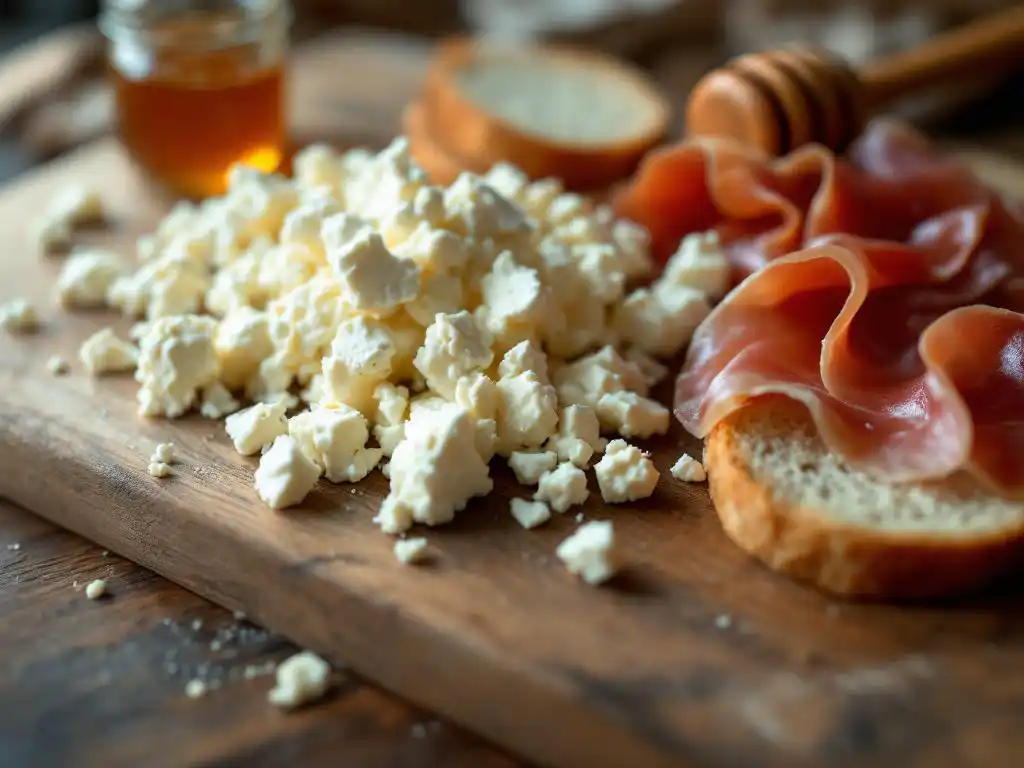
Goat cheese transforms ordinary deli offerings into premium experiences that attract discerning customers and boost profitability. This versatile cheese category offers unique flavour profiles, health benefits, and artisanal appeal that help delis stand out in competitive markets. From fresh, creamy varieties perfect for spreading to aged options ideal for sophisticated cheese boards, goat cheese provides opportunities to elevate menu items, increase average transaction values, and build customer loyalty through distinctive offerings that cannot be found in standard grocery stores.
What makes goat cheese a valuable addition to deli offerings?
Goat cheese brings exceptional value to delis through its growing consumer demand and ability to command premium prices. Health-conscious customers actively seek goat cheese for its easier digestibility and lower lactose content compared to cow’s milk cheeses. The distinct tangy flavour profile and creamy texture create memorable eating experiences that encourage repeat purchases and word-of-mouth recommendations.
Market trends show steady growth in artisanal and specialty cheese consumption, with goat cheese leading this movement. Customers perceive goat cheese as a sophisticated, gourmet option worth paying more for, allowing delis to position themselves as destinations for quality rather than competing on price alone. The versatility of goat cheese, from mild fresh varieties to complex aged options, enables delis to cater to diverse taste preferences while maintaining a focused, curated selection.
Beyond flavour and health benefits, goat cheese serves as a powerful differentiator in crowded markets. While supermarkets offer basic cheese selections, delis can showcase artisanal goat cheeses with unique characteristics, seasonal varieties, and local provenance stories that create emotional connections with customers. This positioning helps establish the deli as a specialty food destination rather than just another place to buy cheese.
How does goat cheese improve profit margins compared to traditional cheese options?
Goat cheese typically generates 30–50% higher profit margins than conventional cow’s milk cheeses due to its premium positioning and customers’ willingness to pay more. The specialty nature of goat cheese allows for significant markups without customer resistance, as buyers expect to pay more for artisanal products. Additionally, goat cheese often has better shelf stability when properly stored, reducing waste and protecting profit margins.
Value-added preparations multiply profit potential even further. Simple additions like herbs, honey, or nuts can transform basic goat cheese into signature deli creations commanding premium prices. Pre-portioned cheese plates featuring goat cheese as the centrepiece can sell for substantially more than the sum of their components. These prepared offerings save customers time while generating excellent returns for the deli.
The efficiency advantages of goat cheese also contribute to profitability. Many varieties have longer shelf lives than soft cow’s milk cheeses, reducing spoilage losses. The concentrated flavours mean customers use less product to achieve satisfaction, making price points feel more reasonable. Staff can easily learn to handle and present goat cheese properly, minimising training costs while maximising sales potential through confident recommendations.
What are the best ways to merchandise goat cheese in a deli setting?
Effective goat cheese merchandising starts with strategic placement at eye level in refrigerated cases, ideally near complementary products like crackers, honey, and preserves. Creating dedicated goat cheese sections rather than mixing them with other cheeses helps customers quickly identify options and perceive the selection as substantial. Temperature-controlled sampling stations near the cheese display encourage trial and overcome hesitation from unfamiliar customers.
Visual presentation dramatically impacts sales success. Arrange goat cheeses by type (fresh, semi-aged, aged) with clear, informative signage describing flavour profiles and suggested uses. Professional cheese paper wrapping and attractive displays communicate quality and care. Creating Instagram-worthy cheese boards featuring goat cheese varieties alongside accompaniments inspires purchases and social media sharing.
Cross-merchandising multiplies opportunities for goat cheese sales throughout the deli. Place small goat cheese selections near prepared salads, sandwiches, and wine sections. Offer pre-made combinations like goat cheese and fig spread packages for easy entertaining. Feature goat cheese prominently in seasonal displays, highlighting perfect pairings for holidays and special occasions. Staff recommendations and “Staff Pick” signage build trust and encourage experimentation with new varieties.
Which goat cheese varieties work best for different deli applications?
Fresh goat cheese varieties excel in sandwich and salad applications due to their spreadable texture and mild, creamy flavour. These young cheeses blend beautifully with herbs, garlic, or sun-dried tomatoes for signature sandwich spreads. Their light, tangy profile complements both vegetarian options and meat-based sandwiches without overpowering other ingredients. Fresh varieties also crumble perfectly over salads, adding protein and richness.
Semi-aged goat cheeses (2–4 months) provide ideal versatility for cheese boards and cooking applications. Their firmer texture allows for attractive slicing while maintaining enough creaminess for spreading. These varieties develop more complex flavours with nutty, earthy notes that pair wonderfully with fruits, nuts, and wines. They melt beautifully for hot sandwiches, gratins, and pizza applications without becoming oily or separating.
Aged goat cheeses (4+ months) serve as premium options for sophisticated cheese plates and special-occasion sales. These firm cheeses develop intense, complex flavours ranging from sharp and piquant to sweet and caramelised. Their striking appearance and bold taste profiles command top prices and attract serious cheese enthusiasts. Offering a balanced selection across all categories ensures every customer finds appropriate options while encouraging exploration of new varieties.
How can delis educate customers about goat cheese to increase sales?
Customer education begins with well-trained staff who understand flavour profiles and can make confident recommendations based on individual preferences. Regular tasting sessions for employees build expertise and enthusiasm that translate into authentic sales conversations. Staff should learn simple flavour descriptions, texture characteristics, and pairing suggestions for each variety to guide hesitant customers effectively.
Creating informational materials helps customers make informed choices independently. Develop simple tasting-note cards for each cheese, recipe cards featuring goat cheese applications, and pairing guides for wine and accompaniments. QR codes linking to video content about cheese origins and production methods engage tech-savvy customers. Monthly cheese education events or “Meet the Cheesemaker” sessions build community while driving sales.
Sampling remains the most powerful education tool for overcoming goat cheese hesitation. Offer daily samples of different varieties, especially during peak shopping times. Create “Goat Cheese 101” sample plates introducing customers to the range from mild to bold. Develop signature prepared items showcasing goat cheese in familiar applications like grilled cheese sandwiches or flatbreads. These approachable introductions help customers discover preferences and build confidence in purchasing whole pieces.
How De Jong Cheese helps enhance deli concepts with premium goat cheese
We support deli partners with our comprehensive Alphenaer brand portfolio, offering everything from fresh, spreadable goat cheese to complex aged varieties that meet diverse customer demands. Our traditional family recipes, refined since 1995, create distinctive flavour profiles that help delis differentiate their offerings. With flexible packaging options designed specifically for foodservice needs, we ensure optimal product presentation and shelf life.
Our expertise extends beyond product supply to include:
- Custom product development for unique deli concepts and seasonal offerings
- Private label opportunities to build your brand identity
- Staff training support on goat cheese characteristics and selling techniques
- Flexible ordering quantities that match your sales volumes
- International food safety certifications ensuring consistent quality
- Marketing support materials to educate your customers
We understand the challenges delis face in building profitable specialty cheese programmes. Our team provides ongoing consultation to optimise your goat cheese selection, develop signature applications, and maximise profitability. Whether you need bulk packaging for prepared foods or individually wrapped portions for retail sales, we deliver solutions tailored to your specific requirements.
Ready to elevate your deli with premium goat cheese? Explore our complete range of foodservice solutions or visit our sales locations page to find distribution partners near you. For personalised consultation about enhancing your deli concept with Alphenaer goat cheese, contact our team today.
Frequently Asked Questions
How long can I store goat cheese in my deli, and what are the best storage practices?
Fresh goat cheese typically lasts 2-3 weeks when stored at 35-40°F (1-4°C) in sealed containers, while aged varieties can last 4-8 weeks under proper conditions. Always store goat cheese in the coldest part of your refrigerated display, wrapped in cheese paper or wax paper rather than plastic to allow breathing. Rotate stock using FIFO principles and check daily for any signs of excess moisture or mold development, especially on cut surfaces.
What's the minimum investment needed to start a successful goat cheese program in my deli?
A basic goat cheese program can start with as little as €500-1000 in initial inventory, focusing on 4-6 varieties across fresh and aged categories. Begin with proven sellers like plain fresh chèvre, herb-coated logs, and one premium aged option, then expand based on customer response. Essential equipment includes proper refrigeration, cheese paper, tasting supplies, and basic signage—most delis already have these basics in place.
How do I handle customers who claim they don't like goat cheese?
Many customers who ‘don’t like goat cheese’ have only tried inferior quality products or very strong varieties. Start by asking what they didn’t enjoy—often it’s excessive ‘goatiness’ or grainy texture from poor-quality cheese. Offer a sample of mild, fresh goat cheese or a semi-aged variety with nutty rather than tangy notes, paired with honey or fruit to balance flavors. Success rates for converting skeptics often exceed 60% with the right approach and quality products.
What are the most profitable goat cheese preparations I can make in-house?
Whipped goat cheese spreads with herbs, honey, or roasted garlic typically generate 200-300% markups and require minimal labor. Pre-portioned cheese boards featuring 3-4 goat cheese varieties with accompaniments can sell for €15-25 while costing €5-8 to prepare. Goat cheese-stuffed peppadews, marinated goat cheese balls, and truffle-infused goat cheese preparations also command premium prices with excellent profit margins.
How can I prevent goat cheese from drying out in my display case?
Maintain humidity levels between 80-85% in your cheese display case using humidity-controlled refrigeration or water pans if necessary. Wrap cut surfaces with cheese paper daily and mist the case lightly with water if needed. Display whole wheels when possible, cutting to order to minimize exposed surfaces. For pre-cut portions, use specialized cheese wrapping that maintains moisture while preventing condensation buildup.
What certifications or knowledge should my staff have to sell goat cheese effectively?
While formal certifications aren’t required, staff should complete basic cheese training covering flavor profiles, texture descriptions, and pairing suggestions for each variety you carry. Consider sending key employees to American Cheese Society or similar workshops, or arrange supplier-led training sessions. At minimum, every staff member should taste all varieties, know proper handling procedures, and confidently describe 2-3 serving suggestions for each cheese.
How do I price goat cheese competitively while maintaining healthy margins?
Research local competitor pricing, then position your goat cheese 15-20% higher based on superior quality, selection, and service. Use psychological pricing (€14.99 vs €15) and highlight price per serving rather than per pound to reduce sticker shock. Bundle complementary items at slight discounts to increase transaction values. Most importantly, train staff to communicate value through stories about provenance, production methods, and flavor complexity rather than apologizing for prices.