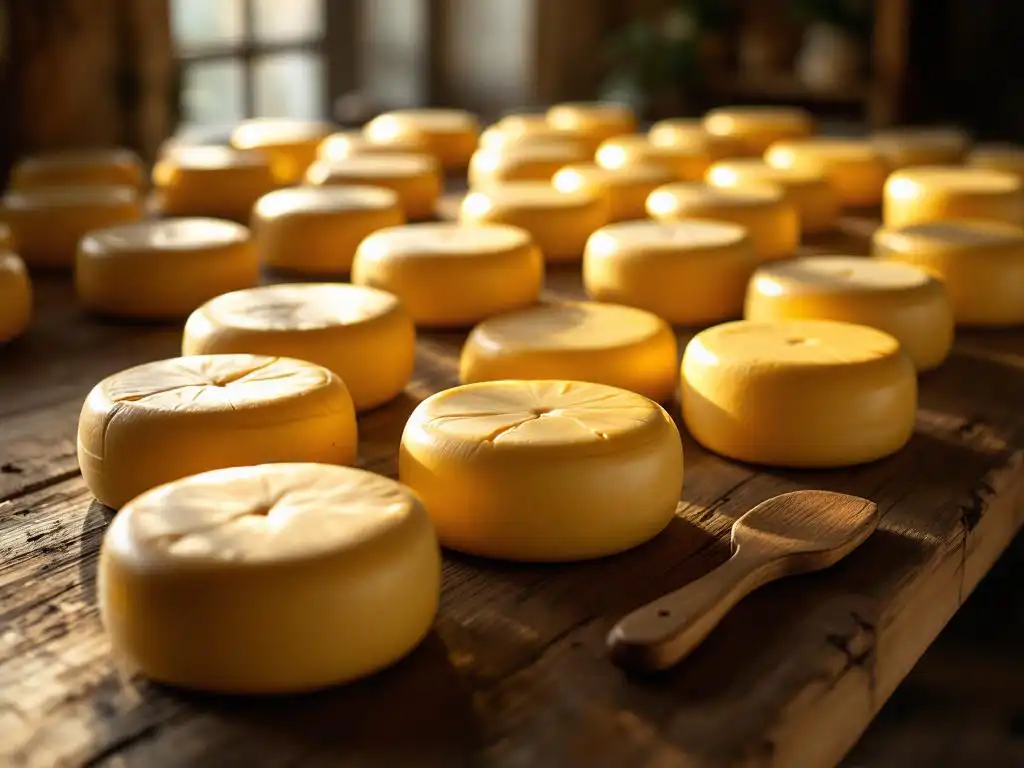
Consistency in goat cheese supply is essential for B2B operations, encompassing reliable delivery schedules, uniform product quality, standardised packaging, and predictable pricing structures. When cheese suppliers maintain consistency across these areas, businesses in foodservice, retail, and food manufacturing can plan production effectively, meet customer expectations, and maintain operational efficiency. Understanding what consistency means and how to achieve it helps both suppliers and buyers build stronger, more profitable partnerships in the competitive cheese industry.
What does consistency mean in goat cheese supply chains?
Consistency in goat cheese supply chains refers to the ability to deliver products with uniform quality, taste, and characteristics at agreed-upon times and prices. This includes maintaining the same texture, flavour profile, and moisture content across batches, ensuring packaging meets specified requirements, and delivering orders according to scheduled timelines without unexpected variations.
For B2B customers, consistency extends beyond the physical product to encompass every aspect of the supply relationship. Product quality uniformity means each batch of goat cheese matches established specifications for fat content, acidity levels, and sensory characteristics. This uniformity allows food manufacturers to maintain their own product standards without adjusting recipes or processes for each delivery.
Reliable delivery schedules form another crucial component of consistency. Businesses depend on predictable arrival times to manage inventory levels, plan production runs, and meet their own customer commitments. When cheese arrives as scheduled, operations run smoothly without the need for emergency sourcing or production adjustments.
Consistent taste profiles ensure that end products maintain their expected flavour characteristics. Whether producing salads, pizzas, or ready meals, manufacturers need goat cheese that tastes the same every time. This reliability helps maintain brand reputation and customer satisfaction across the entire supply chain.
Why do B2B customers need consistent goat cheese quality?
B2B customers require consistent goat cheese quality to maintain their production efficiency, meet regulatory standards, and protect their brand reputation. When cheese quality varies, it creates ripple effects throughout operations, forcing adjustments that cost time and money while potentially disappointing end customers who expect reliable product experiences.
Production planning becomes significantly more complex without quality consistency. Food manufacturers design their processes around specific ingredient characteristics, from melting properties to flavour intensity. When goat cheese arrives with different moisture content or acidity levels, production teams must adjust cooking times, temperatures, or ingredient ratios. These adjustments slow production, increase labour costs, and can lead to product waste.
Customer satisfaction is directly linked to ingredient consistency. Restaurant chains, for example, build their reputation on delivering the same dining experience across all locations. Inconsistent cheese quality undermines this promise, leading to customer complaints and potential loss of business. Similarly, retail customers expect the same product experience with each purchase, making consistency essential for maintaining market position.
Regulatory compliance adds another layer of complexity. Food safety regulations require strict documentation and control over ingredients. Consistent quality from suppliers simplifies compliance efforts, reduces testing requirements, and minimises the risk of product recalls or regulatory violations that could damage business relationships and brand value.
What challenges affect goat cheese supply consistency?
Several challenges can disrupt goat cheese supply consistency, from seasonal variations in milk production to transportation issues and market demand fluctuations. Understanding these challenges helps both suppliers and buyers develop strategies to minimise their impact and maintain reliable supply chains despite inevitable disruptions.
Seasonal milk production variations represent one of the most significant challenges. Goat milk production naturally fluctuates throughout the year, with peak production typically occurring in spring and early summer. During low production periods, maintaining consistent supply volumes becomes difficult, potentially affecting both availability and pricing. These variations can also influence milk composition, affecting cheese characteristics like fat content and flavour profile.
Transportation and cold chain management present ongoing challenges for maintaining product quality. Goat cheese requires careful temperature control throughout distribution to prevent quality degradation. Equipment failures, traffic delays, or improper handling can compromise product integrity, leading to texture changes, accelerated ageing, or spoilage.
Quality control challenges arise from the artisanal nature of many goat cheese operations. While traditional production methods create distinctive products, they can also introduce variability. Maintaining consistent results requires rigorous process control, skilled personnel, and ongoing quality monitoring throughout production.
Market demand fluctuations and capacity limitations create additional pressures. Sudden increases in demand can strain production capacity, while unexpected decreases may lead to inventory management challenges. Balancing production capacity with market needs while maintaining quality standards requires careful planning and flexible operations.
How can suppliers maintain consistent goat cheese standards?
Suppliers can maintain consistent goat cheese standards through rigorous quality control protocols, strategic inventory management, reliable cold chain logistics, and standardised production processes. Implementing these practices requires investment and commitment but delivers significant value through stronger customer relationships and operational efficiency.
Quality control protocols should begin with raw milk testing and continue through every production stage. Regular testing for composition, microbiological safety, and sensory characteristics ensures early detection of any variations. Establishing clear quality parameters and tolerance ranges helps production teams maintain consistency while allowing for minor natural variations.
Strategic inventory management helps buffer against supply variations and demand fluctuations. By maintaining appropriate stock levels of different cheese varieties and ages, suppliers can ensure consistent availability even during challenging periods. This approach requires careful balance to avoid excess inventory costs while maintaining supply reliability.
Reliable cold chain logistics protect product quality from the production facility to customer delivery. This includes:
- Temperature-controlled storage facilities with continuous monitoring
- Refrigerated transportation with backup cooling systems
- Clear handling procedures for all logistics partners
- Regular equipment maintenance and calibration
- Contingency plans for equipment failures or delays
Standardised production processes reduce variability while maintaining product quality. Documenting procedures, training staff consistently, and using calibrated equipment all contribute to more predictable outcomes. Regular process reviews help identify improvement opportunities while maintaining the artisanal qualities that distinguish premium goat cheese.
What should B2B buyers look for in reliable cheese suppliers?
B2B buyers should evaluate potential cheese suppliers based on food safety certifications, production capacity, delivery track record, quality assurance processes, and flexibility for custom orders. These indicators help identify partners capable of meeting both current needs and future growth requirements while maintaining the consistency essential for successful operations.
Food safety certifications provide objective evidence of a supplier’s commitment to quality and safety standards. Look for recognised certifications such as BRC, IFS, or FSSC 22000, which demonstrate robust food safety management systems. These certifications indicate regular third-party audits, documented procedures, and continuous improvement processes.
Production capacity assessments should consider both current capabilities and scalability potential. Reliable suppliers maintain sufficient capacity to meet regular orders while accommodating seasonal peaks or unexpected demand increases. Understanding a supplier’s production flexibility helps ensure they can grow alongside your business needs.
Delivery performance history offers practical insight into supplier reliability. Request references from current customers with similar order patterns and geographic locations. Key performance indicators include on-time delivery rates, order accuracy, product quality consistency, and responsiveness to issues or special requests.
Quality assurance processes reveal how suppliers maintain consistency. Effective suppliers should demonstrate:
- Documented quality control procedures at each production stage
- Regular product testing with defined specifications
- Traceability systems for ingredients and finished products
- Clear communication channels for quality feedback
- Continuous improvement programmes based on customer input
How De Jong Cheese ensures consistent goat cheese supply
We ensure consistent goat cheese supply through our combination of traditional craftsmanship and modern quality standards, developed over nearly three decades of family business expertise. Our approach balances artisanal cheese-making traditions with the rigorous controls necessary for reliable B2B partnerships, delivering products that meet both quality expectations and operational requirements.
Our quality consistency stems from several key practices:
- Traditional recipes refined since 1995, ensuring predictable flavour profiles
- Highest-level food safety certifications for international market access
- Flexible packaging options, from bulk to custom specifications
- Production capacity serving over 20 countries reliably
- Dedicated B2B support team with a deep understanding of industry-specific needs
We maintain supply reliability through strategic inventory management and production planning that account for seasonal variations. Our 55-person team combines traditional cheese-making expertise with modern logistics capabilities, ensuring products arrive on schedule and in perfect condition. Whether you need a consistent supply for foodservice operations or custom specifications for industrial processing, we adapt our processes to meet your requirements.
Our commitment to consistency extends beyond product delivery to include transparent communication and responsive service. We understand that your success depends on a reliable ingredient supply, which is why we focus on building long-term partnerships rather than simply fulfilling orders. To discuss how our consistent goat cheese supply can support your business operations, contact our B2B team or explore our products at authorised sales points.
Frequently Asked Questions
How can I assess if my current goat cheese supplier is truly consistent?
Track key metrics over 3-6 months including on-time delivery rates, product specification variations (moisture, pH, fat content), customer complaints related to cheese quality, and frequency of order adjustments or returns. Document any deviations from agreed standards and review patterns monthly. If variations exceed 5-10% regularly, it’s time to discuss improvement plans with your supplier or consider alternatives.
What backup strategies should I implement to manage supply disruptions?
Develop relationships with 2-3 qualified backup suppliers who can meet your quality standards, even if they’re not your primary source. Maintain 1-2 weeks of safety stock during peak seasons, establish clear communication protocols for supply issues, and create contingency recipes that can accommodate slight product variations. Consider negotiating priority supply agreements with your main supplier for critical periods.
How do I handle customer complaints when cheese quality varies despite supplier promises?
Document all quality issues with photos, batch numbers, and specific deviations from specifications. Share this data immediately with your supplier to enable root cause analysis. Implement incoming goods inspection for critical parameters and consider requiring certificates of analysis for each delivery. Work with your supplier to establish a quality guarantee agreement that includes compensation for documented consistency failures.
What's the typical lead time I should expect for custom goat cheese specifications?
Custom specifications typically require 4-8 weeks lead time for initial development and testing, followed by 2-4 weeks for production scale-up. Factors affecting timeline include complexity of requirements, seasonal milk availability, and required certifications. Start discussions at least 3 months before you need commercial quantities, allowing time for sample approval, stability testing, and potential recipe adjustments.
How can I negotiate better pricing while maintaining quality consistency?
Focus negotiations on volume commitments, longer contract terms, and predictable order patterns rather than pushing for lowest price. Suppliers can offer better rates when they can plan production efficiently. Consider annual contracts with quarterly price reviews, consolidated deliveries to reduce logistics costs, and flexibility on delivery schedules during off-peak periods. Always link pricing discussions to measurable quality standards.
What technology solutions can help monitor cheese supply consistency?
Implement temperature data loggers for shipment tracking, quality management software to track specifications and deviations, and automated inventory systems that flag unusual patterns. Some suppliers offer customer portals with real-time batch data, certificates of analysis, and delivery tracking. For larger operations, consider blockchain solutions for end-to-end supply chain transparency and IoT sensors for continuous cold chain monitoring.