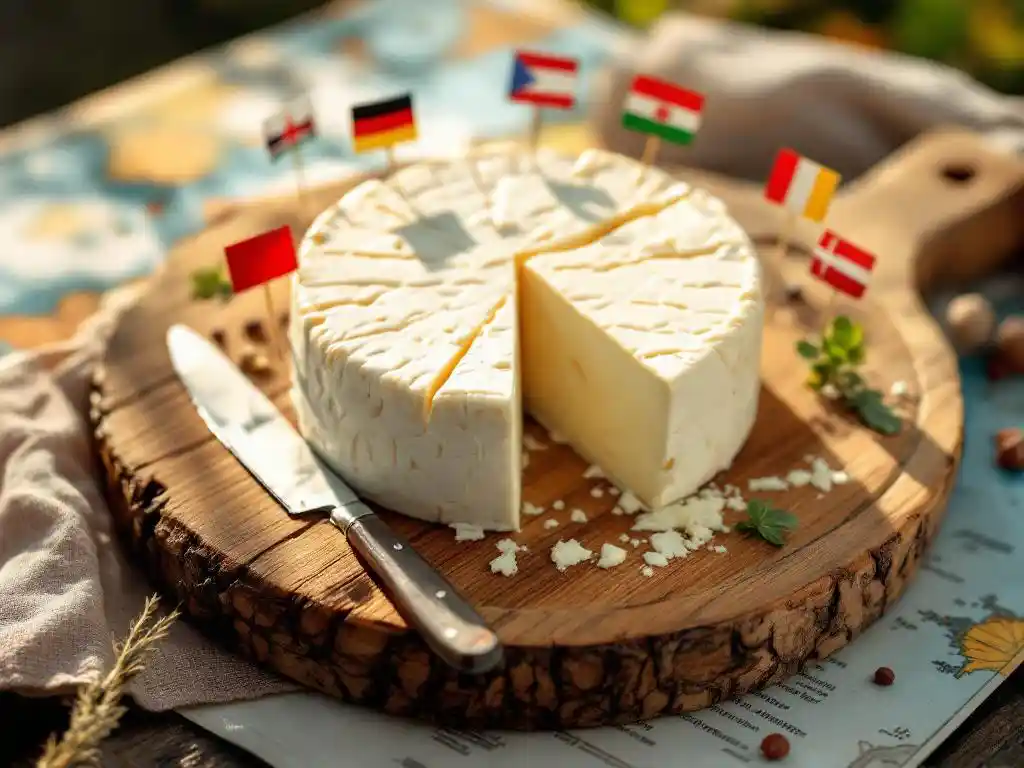
Goat cheese offers unique advantages for international food manufacturers seeking versatile, shelf-stable ingredients that appeal to diverse global markets. With its distinctive flavour profile, extended shelf life, and adaptability across cuisines, goat cheese provides manufacturers with a premium ingredient that meets various dietary preferences and regulatory requirements. From ready meals to gourmet applications, goat cheese supports product innovation while satisfying growing consumer demand for artisanal, lactose-friendly alternatives in more than 20 countries worldwide.
What makes goat cheese ideal for international product lines?
Goat cheese possesses several characteristics that make it exceptionally suitable for international distribution and product development. Its naturally longer shelf life compared with many fresh dairy products allows for extended distribution timelines, while its distinctive yet versatile flavour profile appeals to sophisticated palates across different cultures. The growing global demand for premium dairy alternatives, combined with goat cheese’s naturally lower lactose content, positions it perfectly for health-conscious international markets.
The versatility of goat cheese across various applications makes it particularly valuable for international product lines. Fresh varieties work beautifully in salads and spreads, while aged versions add complexity to gourmet dishes. Its ability to maintain quality during transport and storage reduces waste and ensures consistent product experiences for end consumers. Additionally, goat cheese’s premium positioning allows manufacturers to differentiate their products in competitive international markets.
The nutritional benefits of goat cheese further enhance its appeal for global distribution. With easier digestibility and a different protein structure from cow’s milk cheese, it accommodates consumers with specific dietary sensitivities. This characteristic opens doors to markets where lactose intolerance is prevalent, expanding potential customer bases across Asia, Africa, and other regions where traditional dairy consumption may be limited.
How does goat cheese adapt to different international markets?
Goat cheese demonstrates remarkable flexibility in meeting diverse regional preferences through various texture options and flavour profiles. Manufacturers can offer everything from creamy fresh cheese for Mediterranean markets to firm, aged varieties preferred in Northern European countries. This adaptability extends to flavour development, where herbs, spices, and other ingredients can be incorporated to match local taste preferences while maintaining the cheese’s fundamental characteristics.
Packaging formats play a crucial role in market adaptation. Bulk packaging serves foodservice operations and industrial applications, while smaller consumer portions cater to retail markets. The ability to customise packaging sizes and formats according to regional distribution channels and consumer habits ensures optimal market penetration. Temperature-stable packaging innovations further support distribution in markets with developing cold-chain infrastructure.
Compliance with international food safety standards enables smooth market entry across different regions. Meeting various certification requirements, from basic hygiene standards to specific religious dietary laws, allows goat cheese to cross borders efficiently. This regulatory adaptability, combined with the product’s inherent stability, makes it an ideal candidate for international product portfolios seeking to minimise complexity while maximising market reach.
What are the key applications for goat cheese in global food production?
Goat cheese serves multiple applications across international food manufacturing, with ready meals representing a significant growth area. Its melting properties and flavour retention make it ideal for frozen and chilled prepared dishes, while its premium positioning elevates product appeal. Pizza and pasta manufacturers particularly value goat cheese for its ability to provide differentiation in crowded market categories, offering consumers a gourmet alternative to standard cheese options.
In the rapidly expanding meal-kit sector, goat cheese provides portion-controlled, high-quality ingredients that maintain freshness throughout distribution. Its compatibility with various cuisines makes it suitable for diverse menu offerings, from Mediterranean-inspired dishes to fusion cuisine concepts. Salad and sandwich manufacturers appreciate goat cheese’s ability to add creamy texture and sophisticated flavour without overwhelming other ingredients.
Foodservice applications continue to drive demand for goat cheese in bulk formats. Hotels, restaurants, and catering operations value its versatility across menu categories, from appetisers to desserts. The cheese’s ability to perform consistently in both hot and cold applications makes it a reliable ingredient for commercial kitchens. Innovation opportunities abound in categories such as plant-based hybrid products, where goat cheese can complement vegetable-based ingredients to create new taste experiences.
Which certifications matter most for international goat cheese distribution?
Essential food safety certifications for international goat cheese distribution include HACCP, BRC, and IFS standards, which demonstrate commitment to quality management and food safety protocols. These certifications provide assurance to international buyers and facilitate smoother customs processes. They establish a foundation of trust that enables efficient cross-border trade while meeting the stringent requirements of major retail chains and foodservice operators globally.
Religious dietary certifications expand market access significantly. Halal certification opens doors to Muslim-majority countries and communities worldwide, while kosher certification appeals to Jewish consumers and those seeking additional quality assurance. These certifications require careful attention to production processes and ingredient sourcing but provide access to large, growing market segments with specific dietary requirements.
Organic and sustainability certifications increasingly influence international buying decisions. Organic certification commands premium pricing and appeals to health-conscious consumers across developed markets. Country-specific requirements, such as FDA registration for the United States or China’s specific import protocols, require careful navigation but ensure compliance with local regulations. Understanding and maintaining these various certifications creates competitive advantages in international markets.
How can manufacturers ensure consistent goat cheese quality across borders?
Maintaining consistent goat cheese quality during international distribution requires sophisticated temperature control throughout the supply chain. Implementing cold-chain management systems with real-time monitoring ensures products remain within optimal temperature ranges from production to final delivery. This includes selecting appropriate packaging materials that provide insulation and using logistics partners experienced in handling temperature-sensitive dairy products across long distances.
Standardised production processes form the backbone of quality consistency. Establishing detailed specifications for milk quality, production parameters, and ageing conditions ensures every batch meets international standards. Regular quality testing at multiple production stages, combined with batch-tracking systems, enables quick identification and resolution of any variations. These protocols become particularly important when serving multiple international markets with different quality expectations.
Partnership approaches with reliable suppliers strengthen quality assurance across borders. Working closely with logistics providers who understand dairy product requirements ensures proper handling throughout distribution. Developing relationships with local distributors who can monitor product quality in destination markets provides additional quality-control layers. Implementing shelf-life management strategies, including clear date marking and rotation protocols, helps maintain product integrity throughout the international supply chain.
How DeJong Cheese supports international product development
We at DeJong Cheese bring decades of expertise in crafting premium goat cheese solutions for international food manufacturers. Our comprehensive approach to supporting global product lines includes:
- Private-label capabilities that allow customisation for specific market requirements
- Flexible bulk packaging options designed for industrial applications and further processing
- Custom product development services to create unique cheese varieties for your brand
- Comprehensive international certifications, including BRC, IFS, and HACCP standards
- Consistent quality standards maintained across all production batches
- Scalable order quantities to support both product launches and established lines
Our family tradition since 1995 combines artisanal craftsmanship with modern food safety standards, ensuring products that meet the highest international requirements. We currently serve more than 20 countries with our Alphenaer brand and private-label solutions, demonstrating our capability to navigate complex international markets successfully.
Ready to explore how our goat cheese expertise can enhance your international product portfolio? Contact our team to discuss your specific requirements. Learn more about our comprehensive product range or discover where to find our products internationally.
Frequently Asked Questions
What are the typical minimum order quantities for international goat cheese shipments?
Minimum order quantities vary by product format and destination, typically ranging from one pallet (approximately 500-800 kg) for bulk products to full container loads for larger operations. Many suppliers offer flexible ordering options for initial market testing, with quantities increasing as demand grows. Working with experienced international distributors can help consolidate orders to meet minimum shipping requirements while maintaining cost efficiency.
How do I calculate the true cost of importing goat cheese for my food manufacturing operation?
Calculate total landed cost by including the product price, international shipping, customs duties (typically 0-35% depending on trade agreements), local transport, and cold storage fees. Factor in potential currency fluctuations and insurance costs, which typically add 15-25% to the base product price. Consider working with a customs broker who can provide accurate duty calculations and identify any available trade preferences that might reduce costs.
What are the most common quality issues when shipping goat cheese internationally, and how can they be prevented?
Temperature fluctuations during transit cause the most quality issues, leading to texture changes or accelerated aging. Prevent problems by using temperature-controlled containers with data loggers, selecting experienced cold-chain logistics providers, and implementing buffer stock strategies for longer shipping routes. Additionally, ensure packaging includes adequate moisture barriers and consider using modified atmosphere packaging for extended shelf life during international transport.
Which goat cheese varieties offer the best profit margins for international food manufacturers?
Aged and speciality goat cheeses typically provide higher margins due to their premium positioning and longer shelf life, with markups of 40-60% common in international markets. Value-added varieties incorporating herbs, spices, or unique coatings command premium prices while differentiating products from competitors. Fresh goat cheese offers lower margins but faster inventory turnover, making it ideal for high-volume applications like ready meals or foodservice operations.
How can I test market acceptance for goat cheese products in new international markets?
Start with small-scale pilot programs through local distributors or foodservice partners who can provide direct market feedback before committing to large shipments. Conduct sensory testing with local focus groups to understand flavour preferences and optimal price points for your target market. Partner with established importers who offer market entry support services, including promotional activities and connections with key retail or foodservice buyers in your target regions.
What documentation is required for exporting goat cheese to major international markets?
Essential documents include commercial invoices, packing lists, bills of lading, health certificates from veterinary authorities, and certificates of origin. The EU requires specific health certificates and establishment numbers, while the US demands FDA prior notice and compliance with the Food Safety Modernization Act. Asian markets often require additional fumigation certificates and specific labelling in local languages, so work with experienced freight forwarders familiar with dairy product documentation requirements.
How long does goat cheese typically remain stable during international shipping and storage?
Fresh goat cheese maintains quality for 4-6 weeks under proper refrigeration (2-4°C), while aged varieties can last 3-6 months or longer, making them ideal for international distribution. Vacuum-packed products extend shelf life by 30-50% compared to traditional packaging, providing additional buffer time for shipping delays. Plan distribution timelines to ensure products reach end users with at least 50% of shelf life remaining to accommodate retail display and consumer storage time.
Related Articles
- How do you develop a goat cheese concept around red onion and honey?
- Which laboratory tests are relevant for verifying the quality of goat cheese?
- What is the meaning of EC number NL Z1977 EU on cheese products?
- What does EC accreditation mean for an industrial goat cheese producer?
- What’s the best way to store goat cheese in a commercial kitchen?