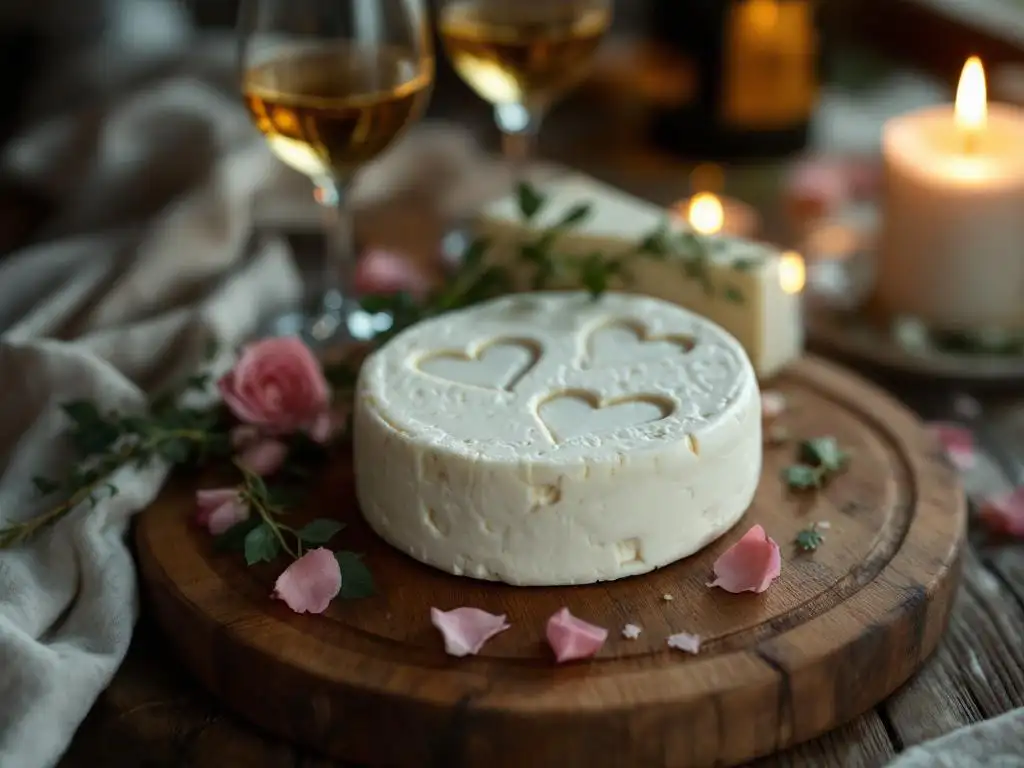
Goat cheese customization for B2B partners involves adapting traditional cheese recipes, textures, and packaging to meet specific business needs. Manufacturers work closely with food industry partners to create unique products that align with their brand identity and customer preferences. This collaborative process enables businesses to offer distinctive goat cheese products that stand out in competitive markets while maintaining consistent quality and meeting regulatory requirements.
What exactly is goat cheese customization for B2B partners?
Goat cheese customization in the B2B context refers to the tailored development of cheese products that meet specific partner requirements. This process encompasses modifications to recipes, flavor profiles, textures, aging processes, and packaging formats to create products that align perfectly with a partner’s business needs and market positioning.
The customization journey begins with understanding the partner’s target market and specific applications. Whether creating a unique flavor profile for a gourmet restaurant chain or developing portion-controlled formats for meal kit companies, manufacturers adapt their traditional cheese-making expertise to deliver bespoke solutions. This flexibility extends beyond simple recipe adjustments to include considerations for shelf life, transportation requirements, and regulatory compliance across different markets.
Modern goat cheese customization also embraces private label opportunities, allowing partners to market high-quality products under their own brand. This approach provides businesses with the ability to offer exclusive products without investing in cheese-making facilities or expertise. From developing mild, creamy spreads for mainstream retail to creating complex, aged varieties for specialty food distributors, customization options span the entire spectrum of goat cheese possibilities.
Why do food industry partners need customized goat cheese solutions?
Food industry partners seek customized goat cheese solutions primarily to differentiate themselves in increasingly competitive markets. Standard products often fail to meet specific operational requirements or align with unique brand positioning, making customization essential for businesses aiming to offer distinctive products that resonate with their target customers.
Market demands drive the need for customization in several key areas. Restaurant chains require consistent products that perform well in specific applications, such as salads that need crumbled cheese with particular moisture content or pizzas requiring specific melting characteristics. Food manufacturers need ingredients that integrate seamlessly into their production processes, maintaining quality throughout extended shelf life periods. Regional taste preferences also play a crucial role, as goat cheese acceptance and flavor expectations vary significantly across different markets.
The growing consumer demand for artisanal and unique products further amplifies the need for customization. Today’s consumers seek authentic, distinctive flavors and are willing to pay premium prices for products that offer something beyond standard offerings. This trend particularly benefits businesses that can offer exclusive goat cheese varieties, whether through unique flavor combinations, special aging processes, or innovative packaging that enhances product appeal and functionality.
What types of goat cheese customization are available for partners?
Goat cheese customization encompasses a wide range of options that allow partners to create products perfectly suited to their needs. Flavor variations represent one of the most popular customization categories, with manufacturers incorporating herbs, spices, fruits, nuts, and other ingredients to create distinctive taste profiles that align with partner specifications and market preferences.
Texture modifications offer another dimension of customization, ranging from ultra-soft, spreadable varieties to firm, sliceable options. Partners can choose from:
- Fresh, creamy textures ideal for spreads and dips
- Semi-soft varieties perfect for crumbling over salads
- Semi-hard options suitable for slicing and melting
- Aged varieties with complex flavor development
- Whipped or aerated textures for enhanced spreadability
Format and packaging options provide practical customization solutions that address operational needs. Manufacturers can produce goat cheese in various shapes, including traditional logs, wheels, pyramids, or custom molds that reflect brand identity. Packaging solutions range from bulk formats for foodservice operations to individually wrapped portions for retail sale. Certification requirements such as organic, kosher, or halal standards can also be incorporated into customized products, ensuring compliance with specific market demands and consumer preferences.
How does the goat cheese customization process work with manufacturers?
The goat cheese customization process begins with a comprehensive consultation where manufacturers assess partner needs, target markets, and specific product requirements. This initial phase involves detailed discussions about flavor preferences, texture requirements, intended applications, volume projections, and any regulatory considerations that might impact product development.
Following the needs assessment, the development phase commences with recipe creation and sample production. Experienced cheesemakers work to translate partner requirements into viable products, often producing multiple variations for evaluation. This iterative process typically involves:
- Initial recipe development based on partner specifications
- Small-batch sample creation for testing and feedback
- Refinement based on partner input and market testing
- Scaling trials to ensure consistency in larger production runs
- Final approval and production planning
Quality control measures remain paramount throughout the customization process. Manufacturers implement rigorous testing protocols to ensure products meet safety standards while maintaining desired characteristics. The process includes ongoing refinement opportunities, allowing partners to adjust products based on market feedback or changing requirements. This collaborative approach ensures the final product not only meets initial specifications but continues to evolve with market demands.
What minimum requirements exist for custom goat cheese orders?
Custom goat cheese orders typically require minimum volume commitments that vary based on the complexity of customization and the production methods involved. Most manufacturers establish minimum order quantities to ensure production efficiency and economic viability, with these requirements generally ranging from several hundred to several thousand kilograms, depending on the specific product and level of customization.
Development timelines for custom products usually span several weeks to months, encompassing initial consultation, recipe development, testing, and production setup. Simple flavor variations might require 4–6 weeks from concept to production, while entirely new products with unique characteristics could take 3–4 months or longer. These timelines reflect the careful attention required to ensure product quality, safety, and consistency.
Investment considerations extend beyond simple per-unit pricing to include development costs, potential tooling for custom packaging, and inventory management requirements. Storage and shelf-life factors also influence minimum requirements, as fresh goat cheese products have different handling needs compared to aged varieties. Partners must consider their distribution capabilities and market demand when determining appropriate order quantities, balancing the benefits of customization against practical business considerations.
How DeJong Cheese helps with custom goat cheese solutions
We at DeJong Cheese bring decades of traditional cheese-making expertise to every customization project, having perfected our craft since 1995. Our family business combines artisanal quality with modern production capabilities, enabling us to create bespoke goat cheese solutions that meet the most demanding partner requirements while maintaining the authentic character that defines our products.
Our customization capabilities include:
- Flexible recipe development for unique flavor profiles
- Private label production with complete brand confidentiality
- Multiple texture options from fresh to aged varieties
- Custom packaging solutions for retail and foodservice
- International food safety certifications for global distribution
- Dedicated support throughout the development process
Working with approximately 55 skilled professionals, we maintain the highest food safety standards while delivering personalized service that larger manufacturers often cannot match. Our international certifications enable seamless export to over 20 countries, supporting partners with global ambitions. Whether you need small-batch artisanal products or large-scale production runs, our facilities accommodate diverse requirements without compromising on quality.
Ready to create your unique goat cheese solution? Contact our team to discuss your specific requirements and let’s develop the perfect goat cheese products for your business together.
Frequently Asked Questions
How long does it take to receive the first samples of my custom goat cheese?
Initial samples are typically ready within 2-3 weeks after the consultation phase, depending on the complexity of your requirements. Simple flavor variations can be sampled sooner, while entirely new textures or aging processes may require 3-4 weeks. We prioritize rapid prototyping to help you test products with your target market quickly.
What happens if my custom goat cheese doesn't perform as expected in my application?
We offer ongoing refinement support even after initial production begins. If your cheese isn’t melting properly on pizzas or maintaining texture in salads, our cheesemakers will adjust the recipe at no additional development cost. Most performance issues can be resolved through minor modifications to moisture content, pH levels, or aging processes.
Can I start with smaller test batches before committing to full minimum orders?
Yes, we typically produce pilot batches of 50-100kg for market testing before scaling to full production minimums. This allows you to gather customer feedback, test shelf life in your distribution system, and refine the product without significant investment. Pilot batch costs are often credited toward your first full production order.
How do you protect my custom recipe from being sold to competitors?
All custom recipes are protected by strict confidentiality agreements and remain your exclusive property. We maintain separate production records, use coded formulations, and ensure your unique products are never offered to other partners. Your investment in customization is fully protected through legal agreements and our ethical business practices.
What certifications can be included with custom goat cheese orders?
We can incorporate various certifications including organic (EU and USDA), kosher, halal, and specific country requirements for international markets. Additional certifications like grass-fed, non-GMO, or animal welfare standards can be arranged. Each certification may affect minimum order quantities and lead times, which we’ll discuss during consultation.
How do seasonal milk variations affect custom goat cheese consistency?
We manage seasonal variations through careful milk sourcing and adjusted production techniques to maintain consistent quality year-round. Our cheesemakers monitor fat and protein levels daily, making minor recipe adjustments to ensure your custom products maintain identical characteristics regardless of season. This expertise is particularly valuable for partners requiring absolute consistency.
Can you help with marketing materials and product storytelling for my custom cheese?
Yes, we provide product specification sheets, suggested serving applications, and can share our artisanal story for your marketing use. We’ll supply high-resolution product photography, nutritional information, and tasting notes. Many partners successfully leverage our family heritage and traditional methods in their own brand storytelling.
Related Articles
- How do you turn a food trend into a real goat cheese product?
- How do you shorten the search process for finding the right supplier of high-melt goat cheese?
- What are the benefits of goat cheese in catering solutions?
- How to pair goat cheese with local ingredients?
- How to use goat cheese in stuffed peppers?