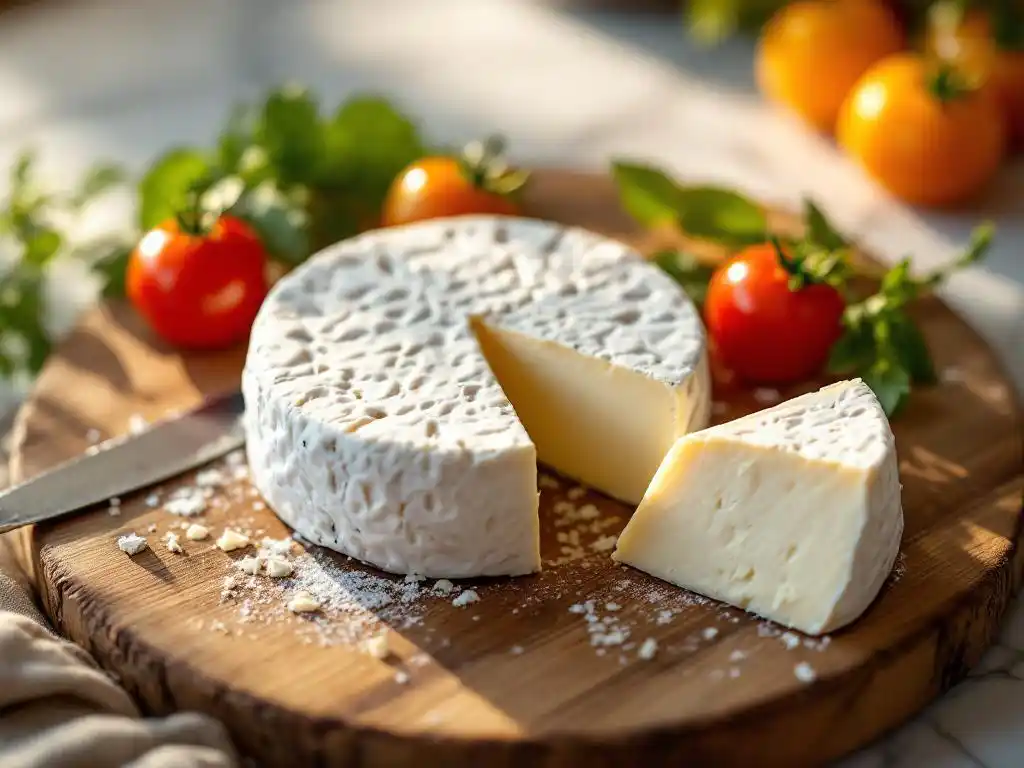
Goat cheese transforms fresh food innovation through its unique versatility, distinctive flavour profiles, and growing consumer appeal. Food manufacturers and brands increasingly turn to goat cheese as a premium ingredient that differentiates products, meets dietary preferences, and creates memorable culinary experiences. Understanding how to leverage goat cheese effectively opens new opportunities for product development, market positioning, and consumer satisfaction in the competitive fresh foods sector.
What makes goat cheese a game-changer for fresh food innovation?
Goat cheese revolutionises fresh food innovation through its exceptional versatility in applications, distinctive tangy-creamy flavour profile, and ability to meet diverse dietary needs. Unlike traditional dairy products, goat cheese offers unique textural properties ranging from spreadable fresh varieties to firm aged options, enabling creative product development across multiple food categories.
The growing consumer demand for alternative dairy products positions goat cheese perfectly for innovation. Its naturally lower lactose content appeals to sensitive consumers, while its protein structure differs from cow’s milk, making it easier to digest for many people. This accessibility expands market opportunities beyond traditional cheese enthusiasts to health-conscious consumers seeking premium, digestible dairy alternatives.
Flavour versatility sets goat cheese apart in product development. Fresh goat cheese provides a mild, creamy base that complements both savoury and sweet applications. Aged varieties develop complex, nutty notes that enhance gourmet products. This range allows food manufacturers to create sophisticated flavour profiles that elevate ordinary products into premium offerings.
The Mediterranean and artisanal food trends further amplify goat cheese’s innovation potential. As consumers increasingly seek authentic, craft ingredients, goat cheese delivers both heritage appeal and modern culinary sophistication. Brands leveraging these qualities create products that resonate with quality-focused consumers willing to pay premium prices for exceptional ingredients.
How does goat cheese meet modern consumer demands for fresh foods?
Modern consumers prioritise health, quality, and authenticity in fresh foods, making goat cheese an ideal ingredient choice. Health-conscious shoppers appreciate goat cheese for its nutritional profile, including easier digestibility, lower lactose content, and beneficial fatty acids. These attributes align perfectly with wellness trends driving fresh food purchases.
Premium positioning comes naturally to goat cheese products. Today’s consumers associate goat cheese with artisanal quality and sophisticated taste experiences. This perception allows brands to command higher price points while meeting consumer expectations for premium fresh foods. The ingredient signals quality without requiring extensive marketing education.
Dietary flexibility represents another crucial advantage. Goat cheese accommodates various eating patterns, from Mediterranean diets to flexitarian lifestyles. Its protein content satisfies nutritional needs, while its flavour enhances plant-forward dishes. This versatility helps brands appeal to diverse consumer segments without creating separate product lines.
The clean-label trend finds a perfect match in traditional goat cheese production. Consumers seeking simple, recognisable ingredients appreciate goat cheese’s straightforward composition. When sourced from quality producers, goat cheese requires minimal processing, supporting transparency demands in fresh food categories.
What are the most innovative applications for goat cheese in fresh foods?
Ready-to-eat salads showcase goat cheese innovation through premium toppings that transform basic greens into gourmet meals. Crumbled goat cheese adds protein and flavour complexity, while whipped varieties create creamy dressings. Meal kit companies particularly benefit from portion-controlled goat cheese additions that elevate home cooking experiences.
Gourmet sandwich innovations leverage goat cheese’s spreadable consistency and complementary flavour profile. From Mediterranean-inspired wraps to artisanal grilled cheese variations, goat cheese creates memorable sandwich experiences. Its melting properties differ from traditional cheeses, offering unique textural elements that distinguish products.
Pizza applications extend beyond traditional toppings. Goat cheese-based white sauces provide alternatives to heavy cream bases. Dollops of fresh goat cheese create flavour pockets that enhance wood-fired and artisanal pizza offerings. The cheese’s heat stability allows for various cooking methods without compromising quality.
Pasta products benefit from goat cheese’s creamy texture and tangy notes. Filled pastas featuring goat cheese blends offer sophisticated flavour profiles. Ready-made sauces incorporating goat cheese provide convenience without sacrificing quality. Plant-forward pasta dishes gain richness and protein from strategic goat cheese additions.
Emerging applications include goat cheese in dips, spreads, and even dessert preparations. Sweet applications pair goat cheese with honey, fruits, or chocolate for unexpected flavour combinations. These innovations help brands differentiate in crowded fresh food categories.
Which production considerations matter most for goat cheese innovation?
Consistency requirements for large-scale production demand careful supplier selection and quality control measures. Goat cheese must maintain uniform texture, flavour, and performance across batches to ensure product reliability. Manufacturers need partners who understand both artisanal quality and industrial consistency requirements.
Packaging innovations extend shelf life while preserving quality. Modified-atmosphere packaging, portion-control options, and resealable formats address both foodservice and retail needs. Bulk packaging for manufacturers requires different considerations than consumer-facing formats, necessitating flexible packaging solutions.
Private-label opportunities abound in goat cheese innovation. Customisation possibilities include flavour profiles, textures, fat content adjustments, and unique ageing processes. Manufacturers can create exclusive products that differentiate their brands while maintaining cost efficiency through strategic partnerships.
Food safety certifications become crucial for international market access. GFSI-recognised certifications, organic options, and animal welfare standards influence market opportunities. Sustainable production practices increasingly matter to conscious consumers and corporate buyers alike.
Technical considerations include pH stability, moisture-content management, and interaction with other ingredients. Understanding these factors helps product developers create stable, high-quality products. Temperature sensitivity during distribution and storage requires careful planning throughout the supply chain.
How can brands successfully launch goat cheese products in fresh foods?
Successful product launches begin with thorough market research identifying target consumer preferences and competitive gaps. Brands must understand local taste preferences, price sensitivity, and purchase drivers specific to goat cheese products. Consumer testing validates concepts before significant investment in production and marketing.
Product positioning strategies should emphasise goat cheese’s unique benefits without alienating traditional cheese consumers. Highlighting versatility, health benefits, and premium quality creates compelling value propositions. Educational messaging helps overcome potential barriers while building category interest.
Pricing strategies balance premium positioning with market accessibility. While goat cheese commands higher prices than commodity cheeses, excessive premiums limit market potential. Successful brands find sweet spots that reflect quality while encouraging trial and repeat purchase.
Distribution channel selection impacts product success significantly. Natural food stores, gourmet retailers, and foodservice operators often provide ideal launch platforms. Building distribution gradually allows brands to refine offerings based on real market feedback.
Marketing messages should connect emotionally while communicating functional benefits. Storytelling about craftsmanship, heritage, and quality resonates with target audiences. Digital marketing allows precise targeting of health-conscious, quality-focused consumers most likely to embrace goat cheese innovations.
Partnership opportunities with established goat cheese producers accelerate market entry. These relationships provide technical expertise, supply chain reliability, and credibility that new brands need. Strategic partnerships reduce risk while maintaining innovation flexibility.
How De Jong Cheese helps brands innovate with goat cheese
We at De Jong Cheese bring decades of expertise in crafting exceptional goat cheese products that help brands succeed in fresh food innovation. Our comprehensive range includes both fresh and aged goat cheese varieties, each developed through traditional methods that ensure consistent quality and authentic flavour.
Our support for B2B innovation includes:
- Private-label development with customised flavour profiles and specifications
- Bulk packaging options designed for efficient manufacturing integration
- Technical support throughout product development processes
- International food safety certifications enabling global market access
- Flexible production capabilities accommodating various volume requirements
- Sustainable production practices appealing to conscious consumers
We understand the unique challenges food manufacturers face when incorporating specialty ingredients. Our team provides hands-on support from concept development through production scaling. Whether you need consistent supply for large-scale production or artisanal varieties for premium products, we deliver solutions tailored to your specific needs.
Our Alphenaer brand represents the perfect blend of traditional craftsmanship and modern innovation. With distribution to over 20 countries and the highest food safety certifications, we help ambitious brands expand their reach while maintaining uncompromising quality standards.
Ready to explore how goat cheese can transform your fresh food products? Contact our team to discuss your innovation goals and discover how our expertise can accelerate your success. Learn more about our comprehensive product range or find local distribution partners to experience our quality firsthand.
Frequently Asked Questions
What's the best way to store goat cheese products during manufacturing to maintain quality?
Store goat cheese at 2-4°C (36-39°F) in moisture-controlled environments with proper air circulation. Use vacuum-sealed or modified atmosphere packaging for bulk quantities, and implement a strict first-in-first-out rotation system. For fresh goat cheese, maintain relative humidity at 80-85% to prevent drying while avoiding excess moisture that could promote unwanted bacterial growth.
How can I calculate the right goat cheese ratio for my fresh food products without overpowering other ingredients?
Start with 10-15% goat cheese by weight for most applications, then adjust based on product testing and consumer feedback. For salads and cold applications, use 20-30g per serving; for hot applications like pizzas or pastas, reduce to 15-20g as heat intensifies the flavour. Consider the cheese’s age and intensity – fresh goat cheese requires higher quantities than aged varieties to achieve the same flavour impact.
What are the most common mistakes brands make when launching goat cheese products?
The biggest mistakes include overpricing products beyond consumer willingness to pay, failing to educate consumers about goat cheese benefits, and using low-quality cheese that creates negative first impressions. Many brands also neglect proper temperature control during distribution, leading to quality degradation. Additionally, some manufacturers treat goat cheese like cow’s milk cheese in formulations, missing opportunities to leverage its unique properties for product differentiation.
How do I handle consumer concerns about the 'goaty' flavour in my products?
Choose mild, fresh goat cheese varieties for mainstream products and pair them with complementary ingredients like herbs, honey, or citrus that balance the flavour profile. Source from reputable suppliers who maintain proper animal husbandry and milk handling practices, as these factors significantly impact flavour. Consider gradual introduction strategies, starting with blends that combine goat cheese with familiar cheeses to ease consumer adoption.
What certifications should I look for in a goat cheese supplier for international markets?
Prioritise suppliers with GFSI-recognised certifications like BRC, IFS, or SQF for food safety assurance. For EU markets, ensure Protected Designation of Origin (PDO) compliance where applicable. Organic certifications open premium market segments, while animal welfare certifications like Certified Humane appeal to conscious consumers. Halal and Kosher certifications expand market reach, particularly in diverse metropolitan areas.
How can small food brands compete with larger companies in the goat cheese innovation space?
Focus on niche markets and local positioning where you can build direct consumer relationships and tell authentic brand stories. Partner with established goat cheese producers for private-label products that provide quality without infrastructure investment. Leverage farmers’ markets and specialty stores for initial market testing before scaling. Create limited-edition or seasonal products that generate excitement without requiring massive production commitments.