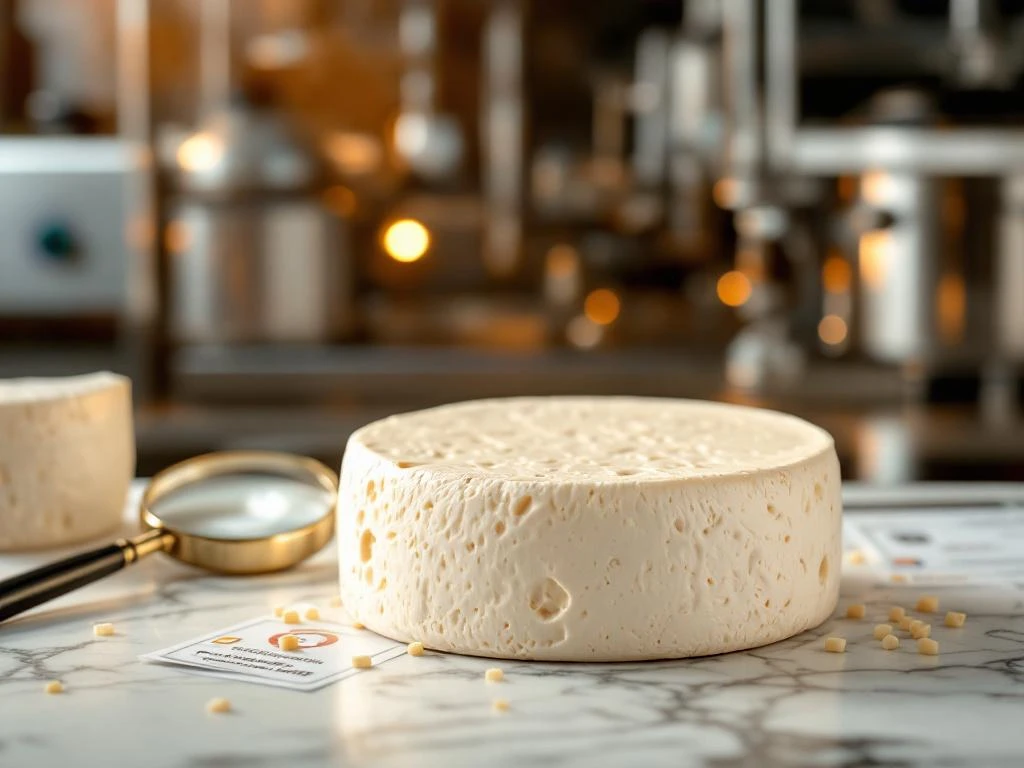
IFS certification ensures goat cheese quality through rigorous standards that cover every aspect of production, from raw material handling to final packaging. This internationally recognised framework establishes comprehensive requirements for food safety management, quality control procedures, and traceability systems that producers must implement and maintain. The certification process involves detailed audits, continuous monitoring, and strict adherence to protocols that guarantee consistent product excellence, making IFS-certified goat cheese a reliable choice for retailers and consumers worldwide.
What makes IFS certification essential for goat cheese production?
IFS (International Featured Standards) certification serves as a fundamental quality assurance framework specifically designed to meet the complex demands of modern food production. Within the dairy industry, and particularly for goat cheese manufacturing, this certification establishes baseline quality requirements that ensure products meet the highest international standards for safety, quality, and consistency.
The certification addresses unique challenges in goat cheese production, including the delicate nature of goat milk, specific temperature controls required during processing, and the need for precise aging conditions. Unlike general food safety protocols, IFS certification recognises the distinctive characteristics of goat cheese production, from the handling of raw materials through to the final maturation process.
For producers, implementing IFS standards means establishing systematic approaches to quality management that cover personnel training, facility hygiene, equipment maintenance, and product testing. These comprehensive requirements create a framework where quality becomes embedded in every production step, rather than being checked only at the final stage.
How does IFS certification monitor goat cheese safety?
Safety monitoring under IFS certification involves implementing sophisticated hazard analysis systems and critical control points specifically tailored to goat cheese production. The framework requires producers to identify potential biological, chemical, and physical hazards at each production stage, then establish preventive measures and monitoring procedures to control these risks effectively.
Pathogen control receives particular attention within the IFS framework, with specific protocols for managing risks associated with Listeria monocytogenes, Salmonella, and other pathogens that can affect dairy products. These protocols include environmental monitoring programmes, regular microbiological testing of products and production areas, and validated cleaning and disinfection procedures.
Allergen management forms another crucial component of IFS safety monitoring. Producers must implement strict controls to prevent cross-contamination between products, clearly label allergens, and maintain detailed records of all ingredients used. This systematic approach ensures that goat cheese products remain safe for consumers with specific dietary requirements or allergies.
The certification also mandates comprehensive traceability systems that allow producers to track products from farm to consumer. This capability proves essential during potential recall situations, enabling swift identification and removal of affected products from the supply chain.
What quality controls does IFS require for goat cheese texture and flavor?
IFS certification mandates specific sensory quality parameters that ensure goat cheese maintains its distinctive characteristics throughout production. These requirements include standardised testing procedures for texture analysis, measuring factors such as firmness, elasticity, and moisture content that define what goat cheese tastes like and how it should feel.
Quality checkpoints throughout production involve regular sampling and analysis at critical stages, including milk reception, pasteurisation, culture addition, and aging. Each checkpoint includes specific parameters that must be met before production can proceed, ensuring consistency in the final product’s texture and flavour profile.
The certification requires producers to establish sensory evaluation panels trained to assess goat cheese characteristics objectively. These panels use standardised scoring systems to evaluate appearance, aroma, taste, and texture, comparing products against established quality benchmarks. This systematic approach helps maintain the unique flavour profiles that distinguish quality goat cheese, from mild and creamy fresh varieties to complex aged specialities.
Temperature and humidity controls during aging receive particular attention under IFS standards, as these factors significantly influence texture development and flavour maturation. Producers must maintain precise environmental conditions and document all parameters to ensure reproducible quality.
Why do retailers prefer IFS-certified goat cheese suppliers?
Retailers increasingly favour IFS-certified suppliers because the certification provides comprehensive quality assurance that reduces liability risks and ensures consistent product availability. The rigorous standards behind IFS certification mean retailers can confidently stock products knowing they meet international food safety requirements across different markets and regulatory frameworks.
The certification facilitates international trade by providing a single standard recognised across multiple countries, eliminating the need for multiple audits and certifications. This efficiency translates to more reliable supply chains and competitive pricing, benefits that retailers can pass on to their customers. For those seeking to explore wholesale cheese options for industry, IFS certification provides additional confidence in product consistency and safety.
Market advantages extend beyond compliance, as IFS certification demonstrates a supplier’s commitment to continuous improvement and professional management systems. Retailers appreciate the reduced need for their own quality checks and audits, as the certification provides independent verification of supplier capabilities. This trust factor becomes particularly important when developing private label products or exclusive product lines.
How does IFS certification improve goat cheese shelf life?
IFS certification establishes strict preservation standards and packaging requirements that significantly extend product freshness throughout the distribution chain. These standards encompass everything from initial milk handling procedures to final packaging specifications, ensuring optimal conditions for maintaining goat cheese quality over time.
Temperature control protocols under IFS require continuous monitoring and documentation throughout production, storage, and distribution. Producers must maintain specific temperature ranges for different cheese types, with fresh goat cheese requiring consistent refrigeration while aged varieties need carefully controlled maturation environments. These precise controls prevent premature spoilage and maintain optimal texture and flavour development.
Packaging integrity standards mandated by IFS include requirements for materials that provide appropriate barrier properties against moisture, oxygen, and contaminants. The certification also covers packaging validation procedures, ensuring that chosen materials and methods effectively protect products throughout their intended shelf life. Modified atmosphere packaging techniques, when used, must follow strict protocols to maintain the ideal gas mixture that preserves freshness without affecting cheese characteristics.
What distinguishes IFS-certified goat cheese in the marketplace?
IFS-certified goat cheese stands apart in the marketplace through its guaranteed quality consistency and comprehensive safety assurance, factors that build strong consumer trust. The certification mark on packaging communicates to buyers that products have undergone rigorous third-party verification, meeting standards that exceed basic regulatory requirements.
Competitive advantages for certified producers include access to premium market segments and international distribution channels that prioritise or require IFS certification. This market positioning allows producers to command better prices while offering retailers and consumers tangible value through guaranteed quality and safety standards.
The certification translates to practical benefits throughout the supply chain, from reduced product recalls and complaints to enhanced brand reputation. For consumers, IFS certification provides peace of mind, knowing that their goat cheese has been produced under strict quality controls that ensure both safety and authentic taste. This combination of quality assurance and market credibility makes IFS certification an essential element in modern goat cheese production, benefiting everyone from producers to end consumers.
Understanding how IFS certification ensures goat cheese quality reveals the comprehensive nature of modern food safety and quality systems. From establishing essential production standards to monitoring safety protocols, controlling sensory qualities, and extending shelf life, IFS certification creates a framework that benefits the entire supply chain. As we continue to prioritise food safety and quality consistency, IFS-certified goat cheese represents the gold standard for producers committed to excellence. Whether you’re a retailer seeking reliable suppliers or a food service professional looking for consistent quality, choosing IFS-certified goat cheese ensures you’re working with products that meet the highest international standards.
Related Articles
- Which laboratory tests are relevant for verifying the quality of goat cheese?
- How do you test goat cheese crumbles in a new product before proceeding to large-scale purchasing?
- How do food manufacturers use goat cheese in ready meal production?
- How does goat cheese perform in pre packed salads?
- What bread pairs best with goat cheese?