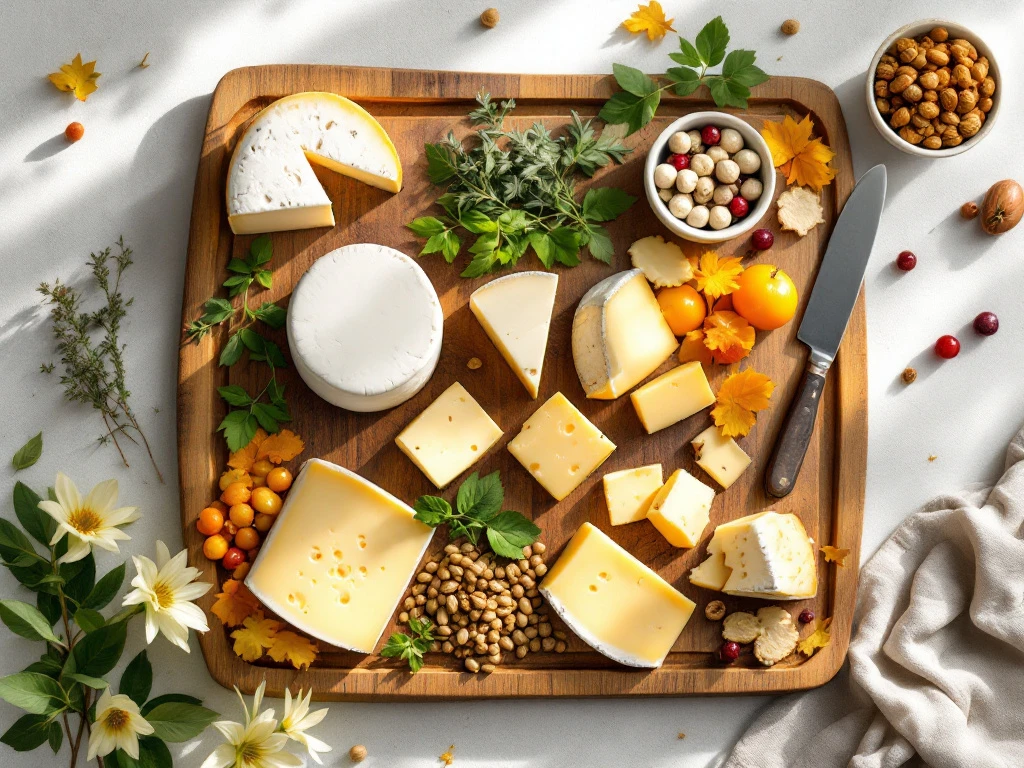
Leveraging goat cheese seasonality for menu planning involves aligning cheese selections with natural production cycles and seasonal flavour profiles to create compelling dishes throughout the year. Restaurants can maximise both quality and profitability by understanding how goat milk production varies seasonally, selecting appropriate cheese varieties for each season, and pairing them with complementary seasonal ingredients. This approach enhances menu appeal whilst optimising inventory management and pricing strategies.
What makes goat cheese seasonal and how does it affect flavor?
Goat cheese seasonality stems from the natural breeding cycles of goats, which typically give birth in spring after a five-month gestation period. This biological rhythm creates distinct variations in milk production and composition throughout the year, directly influencing cheese characteristics. Peak milk production occurs from April through September, whilst winter months see reduced yields and different nutritional profiles in the milk.
The seasonal changes in goat milk affect cheese in several ways. Spring milk contains higher water content and different protein structures, resulting in lighter, fresher cheeses with delicate flavours. Summer milk, enriched by diverse pasture grazing, produces cheeses with more complex flavour notes and slightly firmer textures. Autumn milk, as lactation wanes, becomes richer in fat and protein, creating denser cheeses with more pronounced flavours.
These variations mean that fresh goat cheeses like our Alphenaer spreads and crumbles showcase optimal flavour profiles during spring and early summer months. The milk’s composition during this period creates the characteristic mild, creamy taste that pairs beautifully with fresh herbs and light preparations. Conversely, aged varieties develop more complexity when made from late-season milk, making them ideal for heartier autumn and winter dishes.
Which goat cheese varieties work best for each season?
Spring calls for fresh, light goat cheeses that complement the season’s delicate produce and lighter cooking methods. Fresh goat cheese rolls, spreadable varieties, and young chèvre work exceptionally well during this period. Their mild, creamy profiles enhance spring vegetables, fresh herbs, and light vinaigrettes without overwhelming subtle flavours. Our fresh goat cheese pearls in herb-infused oils make excellent additions to spring salads and appetisers.
Summer menus benefit from slightly firmer fresh cheeses that hold up well in warm preparations. Goat cheese pucks and crumbles maintain their structure on grilled vegetables and in composed salads. The natural and honey varieties of crumbled goat cheese add textural interest to summer dishes whilst providing a cooling contrast to grilled items. These formats also work brilliantly in cold soups and gazpachos.
Autumn transitions require more robust options like ripened goat cheese and goat brie. These varieties, with their developed rinds and complex flavours, complement root vegetables, mushrooms, and heartier preparations. The forest mushroom and fenugreek variations of goat brie pair particularly well with autumn’s earthier ingredients.
Winter demands the richest, most flavourful selections. Aged goat cheeses, truffle-infused varieties, and well-ripened brie provide the depth needed for cold-weather comfort foods. These cheeses melt beautifully in gratins, enhance warming soups, and create satisfying cheese boards alongside preserved fruits and nuts.
How do you pair seasonal goat cheese with complementary ingredients?
Successful goat cheese pairing begins with understanding flavour affinities and textural contrasts. Fresh goat cheese naturally complements acidic elements like citrus, tomatoes, and vinegars, which brighten its creamy richness. Herbs such as thyme, basil, and chives enhance rather than mask the cheese’s delicate tang. Sweet elements like honey, figs, and stone fruits create classic combinations that balance goat cheese’s natural acidity.
Spring pairings focus on green vegetables, young herbs, and light preparations. Combine fresh goat cheese spread with asparagus, peas, and mint for vibrant salads. Our natural goat cheese pearls work beautifully with baby greens, radishes, and lemon vinaigrette. Light preparations like tartines and canapés showcase the cheese without heavy accompaniments.
Summer combinations embrace Mediterranean flavours and grilled preparations. Goat cheese crumbles pair excellently with roasted peppers, aubergines, and courgettes. Fresh herbs like basil and oregano complement the cheese in pizzas and flatbreads. Stone fruits, particularly peaches and apricots, create memorable sweet-savoury combinations in salads and appetisers.
Autumn and winter pairings lean towards earthy, warming ingredients. Ripened goat cheese and brie varieties match beautifully with caramelised onions, roasted beetroot, and winter squash. Nuts, particularly walnuts and hazelnuts, add textural contrast and complementary flavours. Preserved fruits, chutneys, and reduction sauces provide the sweet-tart balance that enhances aged goat cheeses.
What are the most successful seasonal goat cheese menu applications?
Spring menus showcase goat cheese in light, refreshing applications that celebrate the season’s renewal. Whipped goat cheese spreads make elegant bases for canapés topped with edible flowers and microgreens. Fresh goat cheese salads featuring baby vegetables, citrus segments, and light vinaigrettes consistently appeal to diners seeking healthier options. Goat cheese tarts with spring herbs and vegetables offer sophisticated vegetarian mains that highlight seasonal produce.
Summer applications emphasise versatility and temperature contrast. Grilled vegetable stacks layered with goat cheese pucks create visually striking appetisers. Cold soups garnished with goat cheese crumbles provide refreshing starters. Pizza and flatbread applications using fresh goat cheese deliver crowd-pleasing options that work across casual and upscale settings. Goat cheese-stuffed courgette blossoms and tomatoes showcase seasonal abundance.
Autumn preparations leverage goat cheese’s melting properties in comforting dishes. Goat brie en croute with seasonal fruit compotes makes an impressive starter. Warm goat cheese salads with roasted vegetables and nuts satisfy heartier appetites. Gratins and baked pasta dishes incorporating ripened goat cheese provide satisfying mains. Stuffed mushrooms and squash preparations highlight the cheese’s affinity with earthy flavours.
Winter menus feature goat cheese in rich, indulgent applications. Cheese fondues using aged goat varieties create interactive dining experiences. Goat cheese soufflés and twice-baked preparations showcase technical skill whilst delivering comfort. Truffle goat cheese risottos and creamy polenta dishes provide luxurious options. Cheese boards featuring multiple goat varieties with appropriate accompaniments offer flexible service options.
How can restaurants maximize profitability with seasonal goat cheese?
Maximising profitability with seasonal goat cheese requires strategic menu engineering and inventory management. Price seasonal dishes based on perceived value rather than just food cost, as diners often pay premiums for limited-time offerings featuring artisanal cheeses. Position goat cheese dishes as signature items, using descriptive language that emphasises seasonality, provenance, and craftsmanship. Create prix fixe menus featuring seasonal goat cheese courses to increase average spend.
Inventory management becomes crucial for maintaining profitability. Order fresh goat cheeses in quantities aligned with menu velocity, taking advantage of longer shelf lives for aged varieties during slower periods. Our various pack sizes from retail portions to bulk industry packaging allow precise inventory control. Cross-utilise goat cheese across multiple menu applications to minimise waste whilst maintaining variety.
Marketing seasonal goat cheese effectively drives demand and justifies premium pricing. Highlight the limited availability of certain varieties and preparations. Train staff to communicate the unique qualities of seasonal offerings, including flavour profiles and suggested pairings. Feature goat cheese prominently in seasonal menu descriptions and promotional materials. Social media posts showcasing beautiful goat cheese dishes generate interest and drive traffic.
Portion control strategies help maintain margins whilst delivering perceived value. Use measured portions of high-impact aged varieties rather than generous amounts of basic cheese. Create composed dishes where goat cheese acts as a flavour accent rather than the primary component. Develop signature preparations that stretch premium varieties through incorporation into spreads, mousses, or compound preparations.
Understanding goat cheese seasonality transforms menu planning from a routine task into a strategic opportunity. By aligning cheese selections with natural production cycles, pairing them thoughtfully with seasonal ingredients, and implementing smart pricing and inventory strategies, restaurants create memorable dining experiences whilst optimising profitability. Whether you’re seeking specific varieties for seasonal menus or exploring private label opportunities, working with experienced producers ensures access to the finest goat cheeses throughout the year.
Related Articles
- How do you test a new goat cheese concept with a small test group?
- How do you plan the procurement of hard goat cheese with a delivery time of three weeks?
- What makes goat cheese suitable for large scale pizza production?
- What are sustainable packaging alternatives for goat cheese?
- Is ricotta goat cheese?