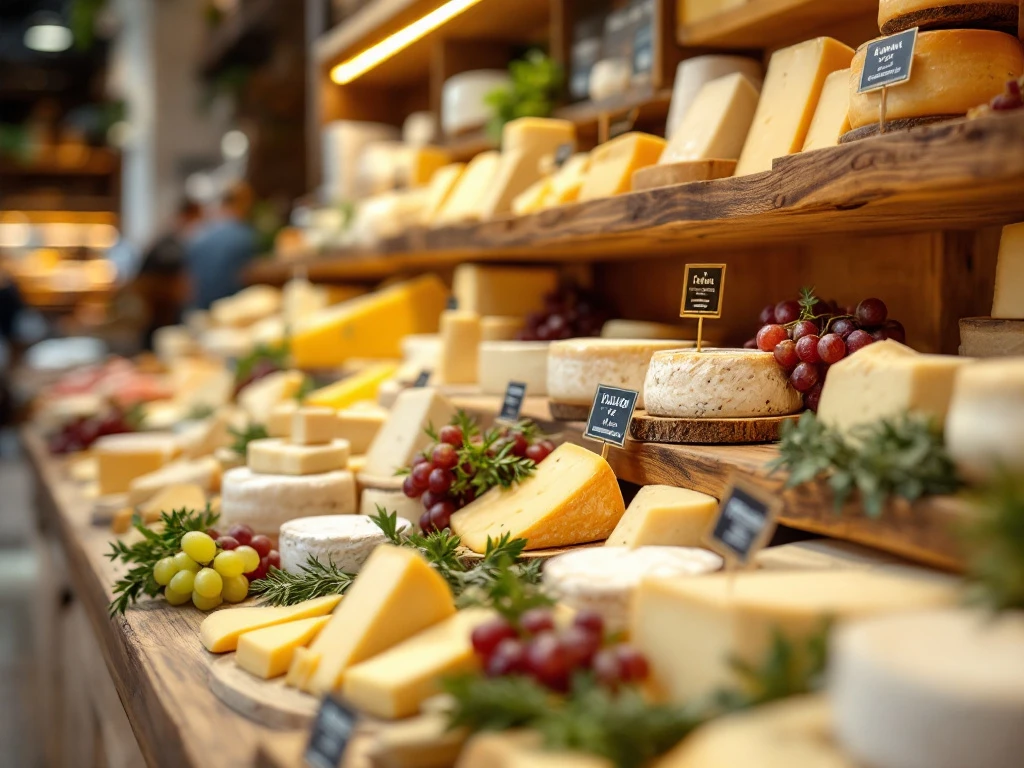
Maximizing goat cheese sales in retail environments requires understanding unique product characteristics and implementing targeted strategies. Successful retailers focus on premium positioning, proper display techniques, customer education, strategic pricing, and building loyal customer bases. Key approaches include temperature-controlled displays, cross-merchandising with complementary products, staff training programmes, and creating engaging cheese destinations that highlight goat cheese’s distinctive qualities and versatility.
What makes goat cheese different in retail environments?
Goat cheese presents unique retail challenges compared to traditional cow’s milk cheeses, requiring specific handling and merchandising approaches. The product has a shorter shelf life, typically 3-4 weeks for fresh varieties, demands consistent cold chain management, and carries a premium price point that needs justification through quality communication. Its distinctive tangy flavour profile appeals to specific customer segments seeking artisanal, healthier alternatives.
The premium positioning of goat cheese stems from several factors that retailers must understand. Production costs are higher due to smaller herd sizes and seasonal milk availability. Goats produce significantly less milk than cows, making the cheese inherently more exclusive. This scarcity, combined with traditional production methods and artisanal craftsmanship, creates natural premium positioning that resonates with quality-conscious consumers.
Storage requirements differ substantially from other cheeses. Fresh goat cheese needs temperatures between 2-4°C with minimal temperature fluctuations. The product is sensitive to humidity levels and requires proper air circulation to prevent moisture buildup. Unlike aged hard cheeses, goat cheese cannot withstand temperature abuse, making proper cold chain management essential for maintaining quality and extending shelf life.
Customer perception plays a crucial role in retail success. Many consumers view goat cheese as a gourmet product suitable for special occasions rather than everyday consumption. This perception creates both opportunities and challenges. Retailers can leverage the premium image to drive higher margins while working to expand usage occasions through education and accessibility. The growing health-conscious market appreciates goat cheese’s easier digestibility and lower lactose content, creating opportunities for targeted marketing.
How should retailers display goat cheese for maximum sales?
Optimal goat cheese displays combine strategic placement, temperature control, and visual appeal to drive sales. Position goat cheese at eye level in the speciality cheese section, using dedicated refrigerated cases that maintain consistent temperatures. Create distinct zones that separate fresh varieties from aged options, using clear signage that highlights unique characteristics and suggested uses. Incorporate lighting that enhances the product’s artisanal appearance without generating excessive heat.
Cross-merchandising opportunities significantly boost goat cheese sales when executed properly. Place complementary products nearby, including honey, fig preserves, speciality crackers, and artisanal breads. Create themed displays around meal occasions, positioning goat cheese with salad ingredients for lunch solutions or wine selections for entertaining. Seasonal displays featuring goat cheese with summer fruits or winter preserves tap into changing consumer preferences and create urgency.
Visual merchandising techniques should emphasise the artisanal nature of goat cheese. Use natural materials like wood boards or slate for display surfaces. Arrange products with breathing room rather than packed displays, suggesting premium quality. Include tasting samples when possible, as the creamy texture and mild flavour often convert hesitant customers. Display whole wheels alongside pre-packaged portions to showcase craftsmanship while offering convenient options.
Strategic positioning within the cheese section maximises discovery and purchase likelihood. Place goat cheese near other premium offerings rather than commodity cheeses. Create a dedicated “artisanal” or “speciality” section that groups goat cheese with other high-margin products. Ensure clear navigation with overhead signage and shelf talkers that guide customers to goat cheese options. Position impulse-friendly formats like goat cheese crumbles or spreads near high-traffic areas for incremental sales.
What are the most effective ways to educate customers about goat cheese?
Customer education transforms goat cheese from an intimidating speciality item into an accessible everyday option. Implement comprehensive staff training programmes that cover flavour profiles, production methods, usage suggestions, and pairing recommendations. Equip team members with tasting notes and comparison points to cow’s milk cheese, enabling confident recommendations. Regular product knowledge sessions ensure staff can address common questions and overcome purchase barriers.
In-store tasting events provide powerful education opportunities through direct experience. Schedule regular sampling sessions during peak shopping times, offering various goat cheese styles with complementary pairings. Demonstrate versatility by featuring both traditional applications and innovative uses. Train sampling staff to share preparation tips, storage advice, and recipe ideas that inspire immediate purchase and future use.
Point-of-sale materials serve as silent salespeople, educating customers even without staff interaction. Develop shelf talkers highlighting health benefits like easier digestibility and lower cholesterol. Create recipe cards featuring simple preparations that demystify goat cheese usage. Install QR codes linking to video demonstrations or digital recipe collections. Design comparison charts showing flavour profiles from mild fresh varieties to robust aged options.
Overcoming misconceptions requires addressing common barriers directly. Many customers assume all goat cheese has an overpowering “goaty” flavour, when quality products offer mild, creamy profiles. Address texture concerns by highlighting versatile formats from spreadable to firm varieties. Combat price sensitivity by emphasising value through portion control, intense flavour requiring less quantity, and premium ingredient quality. Share storage tips that maximise product life and value.
Which pricing strategies work best for goat cheese in retail?
Premium pricing strategies for goat cheese succeed when they communicate value effectively and align with customer expectations. Set prices that reflect artisanal quality while remaining competitive within the speciality cheese category. Implement tiered pricing across different formats, with entry-level options like small portions or crumbles providing accessible price points. Premium whole wheels and aged varieties command higher prices, appealing to connoisseurs and special occasion purchases.
Bundle deals create value perception while increasing transaction sizes. Package goat cheese with complementary items like crackers, honey, or preserves at slight discounts. Offer mixed cheese platters featuring goat cheese alongside other varieties, introducing new customers through familiar formats. Create seasonal bundles around entertaining occasions, positioning goat cheese as essential for holiday gatherings or summer picnics.
Promotional strategies should maintain premium positioning while driving trial. Implement “buy two, save 10%” offers that encourage stocking up without deep discounting. Feature goat cheese in weekly specials alongside meal solutions, suggesting complete dinner ideas. Partner with wine departments for paired promotions that elevate both categories. Avoid aggressive discounting that undermines quality perception and trains customers to wait for sales.
Margin optimisation balances profitability with competitive pricing. Focus on unique varieties and exclusive products that command higher margins without direct price comparison. Develop private label partnerships offering differentiated products at strategic price points. Monitor turnover rates closely, as proper rotation prevents spoilage-related margin erosion. Train staff to upsell complementary items and larger formats, increasing basket size and overall profitability.
How do you build a loyal customer base for goat cheese products?
Building customer loyalty for goat cheese requires consistent quality, engaging experiences, and ongoing relationship development. Create cheese club programmes offering exclusive tastings, first access to new varieties, and educational events. Develop point-based loyalty systems rewarding regular purchases with discounts or complimentary pairings. Host monthly cheese appreciation events where loyal customers can explore new products and share experiences with like-minded enthusiasts.
Seasonal promotions maintain engagement throughout the year while introducing variety. Feature fresh goat cheese with spring vegetables and herbs during warmer months. Promote aged varieties with hearty fare during autumn and winter. Create holiday-specific offerings like herb-crusted logs for entertaining. Develop limited-edition flavours that create urgency and reward loyal customers with exclusive access.
Recipe inspiration transforms occasional buyers into regular customers by expanding usage occasions. Distribute monthly recipe calendars featuring goat cheese in everyday meals. Partner with local chefs for cooking demonstrations showcasing versatility. Create digital content libraries accessible through QR codes or email programmes. Share customer-submitted recipes building community around goat cheese appreciation.
Digital marketing strategies extend engagement beyond store visits. Develop email campaigns sharing cheese knowledge, pairing suggestions, and exclusive offers. Create social media content featuring behind-the-scenes production stories and farmer profiles. Encourage user-generated content through hashtag campaigns and recipe contests. Build online communities where goat cheese enthusiasts share experiences and recommendations, fostering brand advocacy and repeat purchases.
Understanding goat cheese’s unique retail requirements enables successful sales maximisation through strategic display, education, pricing, and loyalty building. Premium positioning combined with accessibility drives category growth. We specialise in developing customised goat cheese programmes that transform speciality products into profitable category drivers, supporting retailers with training materials, merchandising guidance, and flexible product offerings tailored to specific market needs.
Related Articles
- What causes quality variations between cheese deliveries?
- How do you ensure a good backup supplier for wrongel in your production chain?
- What are the benefits of a supplier that provides both fresh and frozen goat cheese?
- How many calories are in goat cheese?
- How to use goat cheese in vegan-inspired dishes?