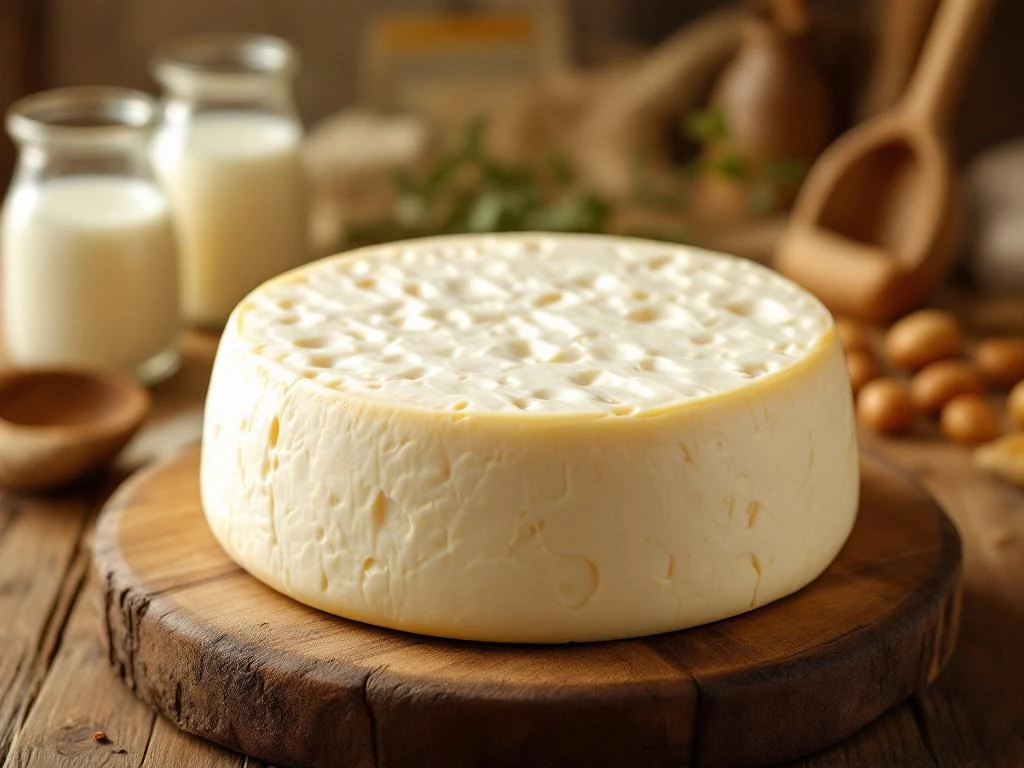
Selecting the right goat cheese suppliers is crucial for maintaining consistent product quality, protecting your business reputation, and meeting customer expectations. The supplier you choose directly influences every aspect of your goat cheese, from its distinctive tangy flavour profile to its creamy texture and shelf life. A reliable supplier ensures consistent milk quality, proper handling procedures, and adherence to production standards that translate into superior cheese characteristics your customers can depend on.
Why does supplier selection matter for goat cheese quality?
Your choice of goat cheese supplier fundamentally determines the consistency and quality of products you offer to your customers. When suppliers maintain high standards in herd management, milk collection, and production processes, the resulting cheese exhibits reliable flavour profiles, optimal texture, and extended shelf life. Poor supplier practices, conversely, lead to unpredictable quality variations that can damage your reputation and customer relationships.
The relationship between supplier practices and cheese characteristics is direct and measurable. Suppliers who prioritise animal welfare, maintain strict hygiene protocols, and follow traditional production methods consistently deliver cheese with the desired tangy notes, smooth texture, and proper moisture content. These factors directly impact how your cheese performs in various applications, whether it’s crumbling perfectly over salads in restaurants or maintaining its integrity in industrial food production.
Beyond immediate product quality, supplier selection affects your business sustainability. Reliable suppliers provide consistent delivery schedules, maintain proper certifications, and offer flexibility in packaging formats. This reliability allows you to meet customer demands confidently, whether you’re supplying retail cheese shops, foodservice operations, or industrial processors who require specific product specifications.
What does goat cheese taste like when sourced from quality suppliers?
High-quality goat cheese from reputable suppliers exhibits a distinctive flavour profile characterised by a pleasant tanginess, creamy undertones, and subtle earthy notes. The taste should be clean and bright, with a balanced acidity that doesn’t overwhelm the palate. Fresh varieties offer mild, delicate flavours with a smooth, spreadable texture, whilst aged varieties develop more complex, nutty characteristics with firmer textures.
Quality suppliers ensure these desirable characteristics through careful milk handling and production methods. The cheese should never taste overly “goaty” or gamey, which often indicates poor milk quality or improper handling. Instead, well-made goat cheese presents a refined taste that appeals to both traditional cheese lovers and those seeking innovative flavour experiences. The texture varies appropriately with age, from silky-smooth fresh cheese to pleasantly crumbly aged varieties.
In contrast, goat cheese from unreliable suppliers often exhibits inconsistent flavours, ranging from bland and watery to overpoweringly strong. Texture issues include graininess in fresh cheese or improper moisture levels that affect performance in culinary applications. These quality variations make it difficult to maintain consistent product offerings and can lead to customer dissatisfaction.
How do you evaluate goat cheese suppliers for reliability?
Evaluating potential goat cheese suppliers requires a comprehensive assessment framework that examines multiple aspects of their operation. Begin with facility visits to observe production environments, equipment maintenance, and staff practices. During these visits, pay attention to cleanliness standards, temperature control systems, and the overall organisation of the production area. Well-maintained facilities indicate a supplier’s commitment to quality and consistency.
Certification verification forms another crucial evaluation component. Look for suppliers holding recognised food safety certifications such as IFS, BRC, or equivalent standards. These certifications demonstrate adherence to international quality standards and regular third-party auditing. Additionally, examine their traceability systems to ensure complete documentation from farm to finished product.
Assess the supplier’s herd management practices, including animal welfare standards, feeding programmes, and veterinary care protocols. Quality milk starts with healthy, well-cared-for goats. Suppliers should provide transparency about their farming practices and demonstrate consistent milk quality through regular testing. Understanding their milk collection procedures, including frequency, temperature control, and transportation methods, helps predict final product quality.
For those seeking comprehensive supplier partnerships, exploring established networks can provide valuable insights. You can learn more about industry wholesale partnerships that demonstrate successful supplier-buyer relationships in the goat cheese sector.
What quality indicators should you check when selecting suppliers?
Essential quality indicators for goat cheese suppliers include measurable parameters that directly impact product excellence. Milk freshness stands as the primary indicator, with quality suppliers processing milk within 24-48 hours of collection. Request documentation showing bacterial counts, which should remain well below regulatory limits, and somatic cell counts that indicate herd health. These metrics provide objective measures of raw material quality.
Sensory evaluation standards represent another critical quality marker. Professional suppliers maintain trained sensory panels that regularly assess products for taste, texture, aroma, and appearance. Request sample evaluation reports and understand their rejection criteria. Consistency in sensory profiles across production batches indicates robust quality control systems.
Documentation and traceability systems reveal a supplier’s commitment to quality management. Examine their record-keeping practices, including:
- Batch production records with complete ingredient listings
- Temperature monitoring logs throughout production and storage
- Quality test results for each production lot
- Customer complaint tracking and resolution procedures
- Recall procedures and crisis management protocols
Physical product examination provides immediate quality insights. Fresh goat cheese should display uniform colour without yellowing or grey spots. The texture should be smooth without separation or excess moisture. Aged varieties should show even ripening without cracks or unwanted mould growth. Packaging integrity, proper labelling, and appropriate best-before dating indicate attention to detail.
Building long-term partnerships with goat cheese suppliers
Establishing sustainable supplier relationships requires structured communication protocols that foster mutual understanding and growth. Regular meetings, whether virtual or in-person, create opportunities to discuss quality expectations, market trends, and product development possibilities. Successful partnerships involve open dialogue about challenges and collaborative problem-solving approaches that benefit both parties.
Quality agreements form the foundation of reliable partnerships. These documents should clearly outline specifications for each product type, including acceptable quality variations, testing procedures, and corrective action protocols. Include provisions for regular quality reviews, performance metrics, and continuous improvement initiatives. Well-structured agreements prevent misunderstandings and provide clear frameworks for addressing issues when they arise.
Performance monitoring systems help maintain consistent quality over time. Establish key performance indicators covering delivery reliability, product consistency, complaint rates, and innovation contributions. Regular supplier audits, whether conducted internally or through third parties, verify ongoing compliance with agreed standards. Share performance data transparently to encourage improvement and recognise excellence.
Collaboration on product development and market innovation strengthens partnerships whilst meeting evolving customer needs. Quality suppliers welcome opportunities to develop custom products, explore new flavour profiles, or create exclusive offerings. This collaborative approach ensures access to unique products that differentiate your business whilst building supplier loyalty through shared success.
Selecting the right goat cheese suppliers forms the cornerstone of delivering consistent, high-quality products that satisfy customer expectations and build business success. Through careful evaluation of supplier practices, verification of quality indicators, and development of strong partnerships, you create a reliable supply chain that supports your growth objectives. The investment in thorough supplier selection pays dividends through consistent product quality, operational reliability, and the ability to meet diverse customer needs with confidence. As the goat cheese market continues evolving, these supplier relationships become increasingly valuable for accessing innovative products and maintaining competitive advantages in your market segment.
Related Articles
- What questions are often missing from a first conversation with a cheese producer?
- What are the benefits of a framework agreement with a specialized goat cheese producer?
- How to establish quality agreements with goat cheese producers?
- How to keep goat cheese from sticking to knife?
- Why is IFS certification important for cheese suppliers?