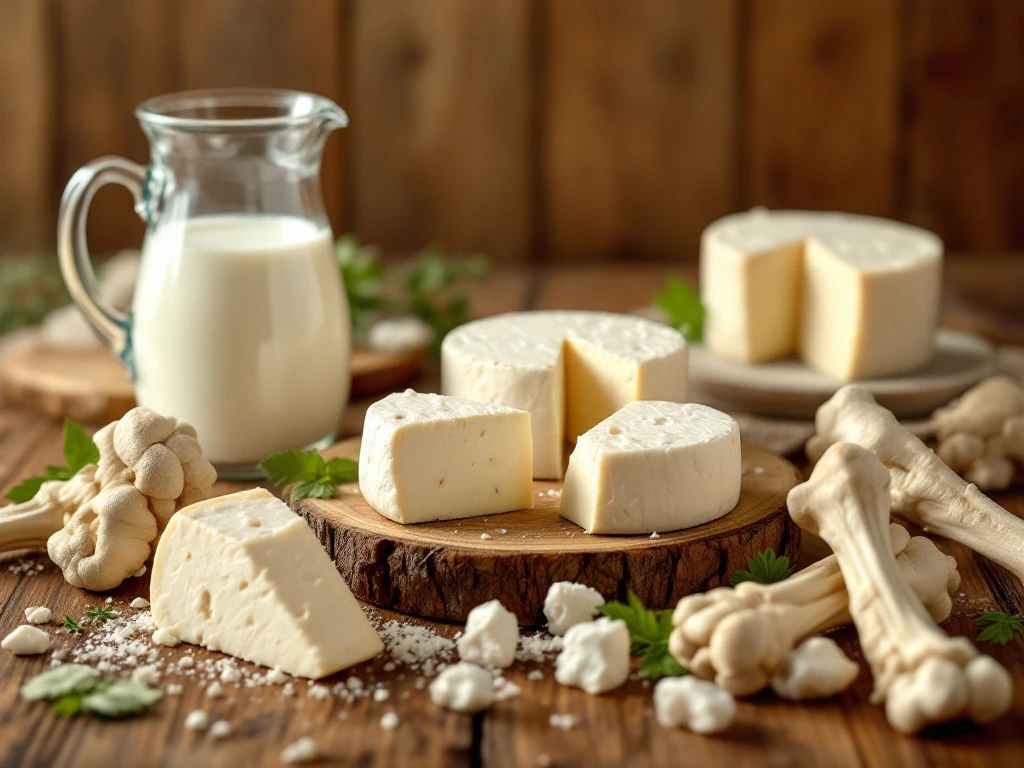
Yes, goat cheese is very good for bone health. It has a lot of calcium, which your body can use easily. It also has other important nutrients like phosphorus and protein. One serving of goat cheese gives you about 13% of the calcium you need each day. The fat in goat cheese is smaller than in cow’s milk cheese, so your body can absorb it better. The calcium, vitamin D, and magnesium in goat cheese work together to make your bones stronger and may help prevent bone diseases like osteoporosis. This is especially helpful for people who cannot digest regular dairy products well.
What makes goat cheese beneficial for bone health?
Goat cheese is special for bone health because it has many good minerals and is easy to digest. The calcium in goat cheese comes with phosphorus in the right amounts (2:1 ratio), which helps build strong bones. Goat cheese also has vitamin D and magnesium naturally, which makes it better than many other dairy products for your bones.
The bioavailability factor makes goat cheese different from other calcium sources. This means your body can use the calcium better. The fat and protein in goat cheese are smaller and break down easily when you digest them. This helps your body absorb more minerals. The special fatty acids in goat cheese also help your intestines absorb calcium better.
Our fresh goat cheese keeps all these healthy benefits and can be used in many different ways. You can choose crumbles for salads, spreads for sandwiches, or aged varieties for special dishes. All types give you the same bone-healthy nutrients in different forms.
How does goat cheese calcium compare to cow milk cheese?
Goat cheese has about 140mg of calcium per ounce, which is similar to cow milk cheese. But the big difference is how well your body can absorb it. The calcium in goat cheese has smaller pieces that can pass through your intestines more easily. This means your body can absorb up to 30% more calcium from goat cheese than from cow milk products. So you might need to eat less goat cheese to get the same calcium benefits.
The protein in goat cheese is different from cow milk cheese. It has more A2 beta-casein and less A1 beta-casein. This difference means less inflammation in your digestive system, which helps your body absorb minerals better. People who feel bloated or uncomfortable after eating cow’s milk products often have no problems with goat cheese. This means they can get calcium regularly for healthy bones.
The fat in goat cheese is also different. It has more medium-chain triglycerides (MCTs) than cow cheese. These MCTs help calcium dissolve better in your digestive system. They don’t need special digestive juices, which makes it easier for your body to absorb minerals throughout your intestines.
Which nutrients in goat cheese specifically support bone density?
The main bone-healthy nutrients in goat cheese work together very well. Calcium gives you the basic building blocks for bone tissue, while phosphorus helps form the strong structure that makes bones hard. Goat cheese has both minerals in amounts that match what your body’s bones need naturally, making it very good for keeping bones dense.
Protein in goat cheese gives you about 6 grams per serving. This supports the collagen framework that holds calcium in place in your bones. This protein framework works like scaffolding for minerals, stopping calcium from just building up without structure. The special amino acids in goat milk protein, especially lysine and arginine, help create new bone cells and repair old ones.
Magnesium and zinc are present in smaller amounts but play important roles. Magnesium activates vitamin D in your kidneys, which helps calcium absorption. Zinc stimulates bone-building cells called osteoblasts. Our aged goat cheeses develop extra B-vitamins during the aging process, including B12, which helps bone cell metabolism and prevents bone loss as you get older.
Can goat cheese help prevent osteoporosis?
Eating goat cheese regularly can help prevent osteoporosis by giving you calcium consistently and reducing inflammation. The easy-to-absorb calcium in goat cheese helps you reach the 1,000-1,200mg daily amount that adults need. Just eating goat cheese 3-4 times per week gives you good bone protection. The protein also helps keep your muscles strong, which protects your bones from breaking by improving your balance.
The anti-inflammatory compounds in goat cheese, including conjugated linoleic acid (CLA) and capric acid, may reduce inflammation that damages bones. Long-term inflammation speeds up bone loss by activating cells that break down bone tissue. When you include goat cheese in an anti-inflammatory diet, you create conditions that help preserve bones instead of breaking them down.
For the best osteoporosis prevention, eat goat cheese together with weight-bearing exercise and get enough vitamin D from sunlight. A good way is to add our goat cheese crumbles to lunch salads, use spreadable types on whole-grain toast, or enjoy goat brie as an evening snack. This regular eating pattern makes sure you always have calcium available for ongoing bone maintenance and repair.
Who benefits most from eating goat cheese for bone health?
People who are lactose-intolerant get great benefits from goat cheese because it has much less lactose than cow milk products but still has all the calcium. The naturally lower lactose levels and easier digestion allow these people to get important bone nutrients without stomach problems. This makes goat cheese a very valuable calcium source for about 65% of adults who have some trouble digesting lactose.
Women after menopause especially benefit from eating goat cheese because they need more calcium during hormonal changes. When estrogen levels drop after menopause, bone loss speeds up, so dietary strategies are needed to maintain bone density. Goat cheese provides not only calcium but also protein that helps preserve muscle mass, creating double protection against bone fractures.
Elderly adults and people with sensitive digestive systems find goat cheese easier to include in daily meals. The softer texture of fresh varieties and the better digestibility make it less difficult to eat and absorb. People recovering from illness or surgery often can tolerate goat cheese when other dairy products cause discomfort, ensuring continuous calcium intake during important healing periods. Our diverse product range, from smooth spreads to firm aged cheeses, works for different dietary preferences and physical abilities while delivering consistent bone health benefits.