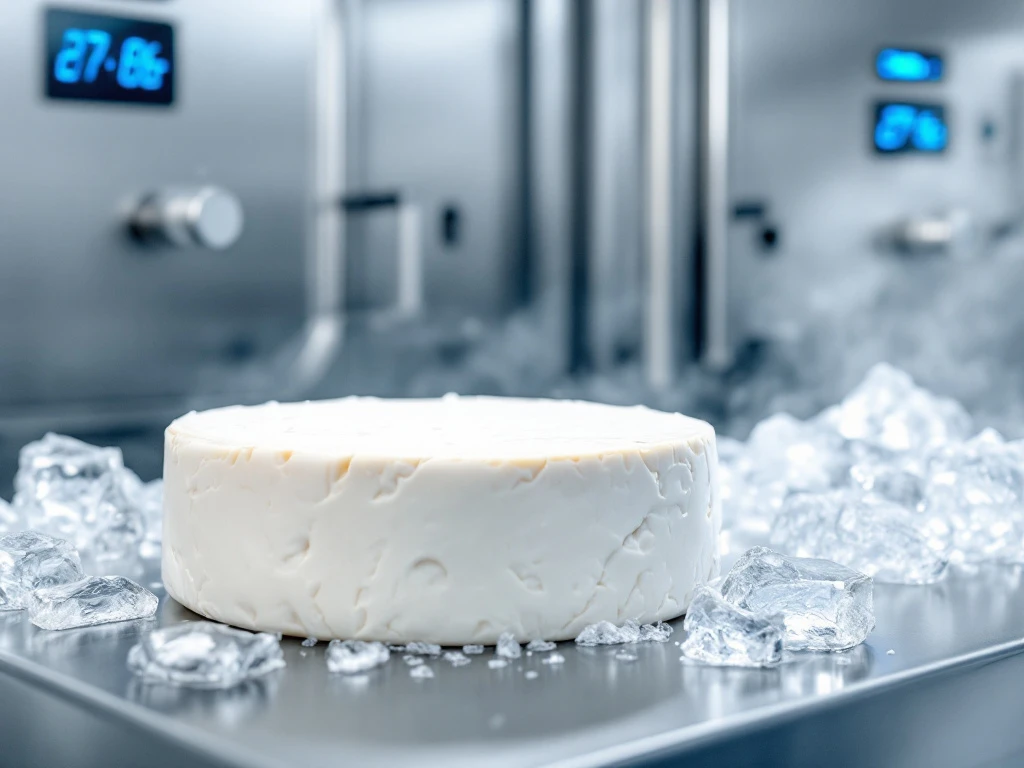
Cold chain requirements for goat cheese transport demand maintaining temperatures between 2-6°C throughout the entire journey. Proper temperature control prevents bacterial growth, preserves texture, and extends shelf life. Fresh goat cheese requires the strictest temperature control, while aged varieties have slightly more flexibility. Understanding these requirements helps ensure product quality from production facility to final destination.
What temperature range must be maintained during goat cheese transport?
Fresh goat cheese must be transported at 2-4°C, while ripened varieties can tolerate 4-6°C. Temperature consistency matters more than absolute temperature, as fluctuations damage cheese structure and accelerate spoilage. Each degree outside the optimal range reduces shelf life by approximately 10-20%.
Different goat cheese types have specific temperature needs. Fresh varieties like our spreadable goat cheese require the coldest conditions at 2-3°C. Semi-soft cheeses perform best at 3-5°C, maintaining their creamy texture without becoming too firm. Aged goat cheeses tolerate 4-6°C, though lower temperatures preserve quality longer.
Temperature fluctuations cause moisture migration within cheese, creating texture problems and potential contamination points. When temperatures rise above 6°C, bacterial growth accelerates rapidly. Freezing damages the protein structure, resulting in grainy, crumbly texture upon thawing. Maintaining steady temperatures prevents these quality issues.
How does packaging affect cold chain integrity for goat cheese?
Proper packaging creates multiple barriers against temperature fluctuations and contamination. Vacuum-sealed packages remove air that could carry bacteria while insulated containers maintain stable temperatures. Modified atmosphere packaging extends shelf life by replacing oxygen with nitrogen or carbon dioxide.
Insulation materials vary based on transport duration and external conditions. Expanded polystyrene boxes provide excellent temperature stability for short journeys. Polyurethane-lined containers offer superior insulation for longer routes. Reflective barriers deflect heat radiation during loading and unloading.
Moisture control within packaging prevents condensation that could promote bacterial growth. Absorbent pads manage excess moisture while maintaining optimal humidity levels around 80-85%. Breathable films allow gas exchange without compromising temperature control, particularly important for ripened varieties that continue maturing during transport.
What monitoring systems ensure cold chain compliance during transport?
Modern temperature monitoring combines data loggers, GPS tracking, and real-time alerts. Digital sensors record temperatures every 5-15 minutes, creating comprehensive transport records. Cloud-based systems allow remote monitoring, enabling immediate intervention when temperatures deviate.
Documentation requirements include continuous temperature logs, time stamps, and location data. Electronic systems generate automatic reports meeting regulatory standards. Alert systems notify transport managers within minutes of temperature breaches, allowing corrective action before product quality suffers.
IoT sensors provide granular data about conditions throughout the cargo area. Multiple sensors detect hot spots or cold zones within containers. Integration with transport management systems creates complete traceability from loading dock to delivery, essential for quality assurance and regulatory compliance.
Which vehicles and equipment are essential for goat cheese cold chain transport?
Refrigerated vehicles must maintain precise temperatures regardless of external conditions. Multi-temperature trucks allow different cheese types to travel together at optimal conditions. Dual refrigeration systems provide backup protection against equipment failure during long journeys.
Loading equipment includes insulated dock seals, temperature-controlled staging areas, and rapid-close doors. Pre-cooling procedures ensure vehicles reach target temperature before loading begins. Air curtains at loading bays prevent warm air infiltration during transfers.
Specialized containers feature grooved floors for air circulation and adjustable shelving for different package sizes. Temperature mapping validates uniform cooling throughout the cargo space. Regular calibration of refrigeration units and monitoring equipment ensures accuracy and reliability.
How long can goat cheese safely remain in transport under cold chain conditions?
Fresh goat cheese maintains quality for 24-48 hours in properly refrigerated transport. Ripened varieties tolerate 72-96 hours when temperatures remain stable. International shipments require enhanced packaging and monitoring to maintain quality over 5-7 day journeys.
Transport duration depends on cheese moisture content, packaging integrity, and temperature consistency. Higher moisture cheeses like fresh varieties have shorter safe transport windows. Vacuum packaging extends viable transport time by preventing oxidation and moisture loss.
Seasonal variations affect maximum transport times. Summer conditions reduce safe transport duration by 20-30% due to increased thermal stress on refrigeration systems. Planning routes to minimize transfer points and exposure during loading reduces quality risks. Regular quality checks at predetermined intervals ensure products meet standards throughout extended journeys.
Understanding cold chain requirements protects goat cheese quality throughout distribution. Proper temperature control, appropriate packaging, and continuous monitoring work together to deliver products in optimal condition. As specialists in goat cheese production, we ensure our products meet the highest standards from production through delivery, maintaining the traditional quality our customers expect.